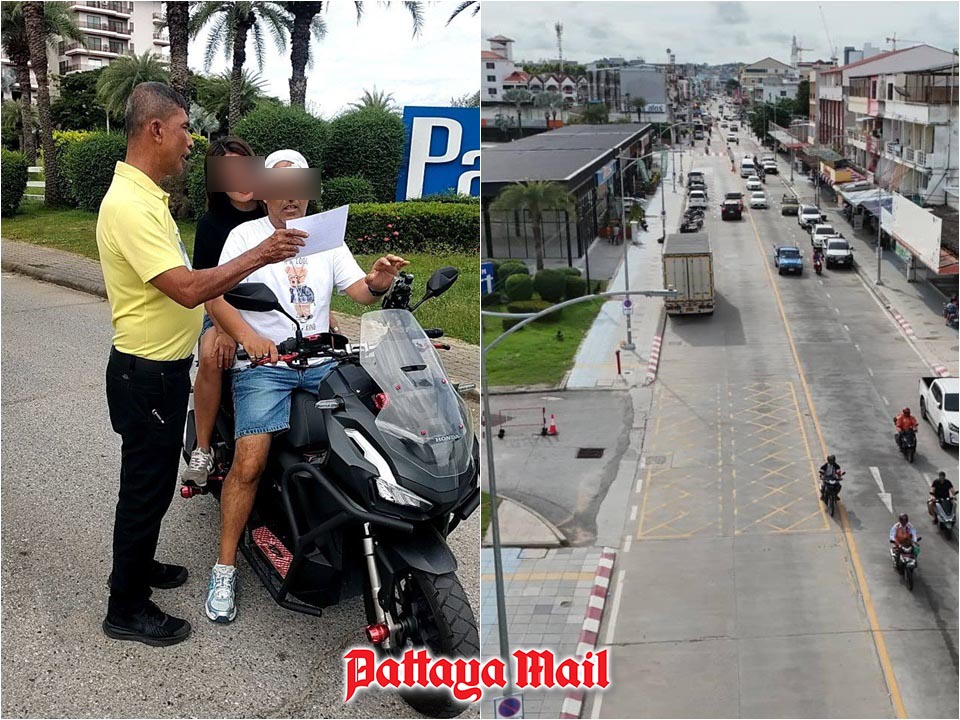
PATTAYA, Thailand – Pattaya has long faced a chronic problem: traffic congestion. Narrow streets, double-parked vehicles, and inconsistent enforcement have frustrated both locals and visitors. Despite efforts to regulate parking, the city’s main arteries—particularly Sukhumvit Road and the streets connecting to Walking Street—remain bottlenecked, especially during peak hours.
The city administration recently stepped up its efforts to address these issues, announcing a strict odd-even parking scheme along South Pattaya from Sukhumvit Road to Wat Chaimongkol intersection. Starting October 1, enforcement will be active from 11:00 a.m. to 9:00 p.m., with violators subject to wheel clamps and fines. Pattaya’s public works and traffic enforcement teams have distributed informational leaflets across key points to inform residents and tourists about the new system, aiming to reduce congestion and improve urban flow.
Local feedback underscores the severity of the situation. Many residents have called for broader measures, such as one-way streets in high-traffic areas like Buakhao Road, dedicated parking zones, and clearer signage for tourists. Suggestions include time-specific parking restrictions, particularly during morning inbound and evening outbound traffic, to ease the rush hours. Observers note that rental cars often occupy prime spots, and street vendors and restaurant setups further encroach on roadways, making traffic snarls worse.
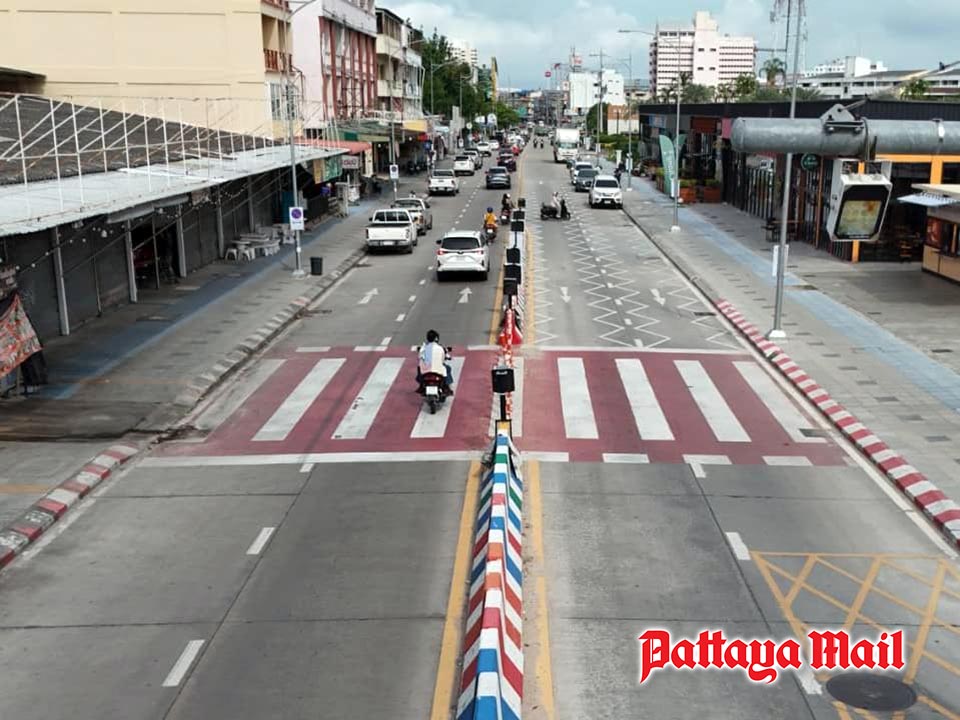
The complaints also highlight the inconsistencies in enforcement. While city authorities have begun monitoring key choke points and promoting compliance, there are numerous areas—near the Marine Department, Fitness Street, and Soi Khophai intersections—where double parking and unauthorized stops remain rampant. Residents urge the administration to take decisive action against habitual offenders and taxi drivers who disregard regulations.
Despite the frustration, there is acknowledgment of Pattaya’s efforts. Authorities are working to coordinate with the Provincial Electricity Authority and other utility services to implement infrastructure improvements alongside traffic management. Installing clearer signage, establishing designated parking zones, and enforcing odd-even rules are steps toward transforming Pattaya into a more organized and tourist-friendly city. Yet, for many visitors, the everyday experience of slow-moving traffic, crowded streets, and limited parking can overshadow the appeal of Pattaya’s attractions.
Ultimately, Pattaya’s image as a tourist-friendly destination hinges not only on beaches and nightlife but also on reliable and navigable streets. Without consistent enforcement and thoughtful urban planning, the city risks alienating long-term residents and international visitors alike. The success of these initiatives will require persistent follow-through, technological support, and cooperation from both the public and businesses along congested corridors.