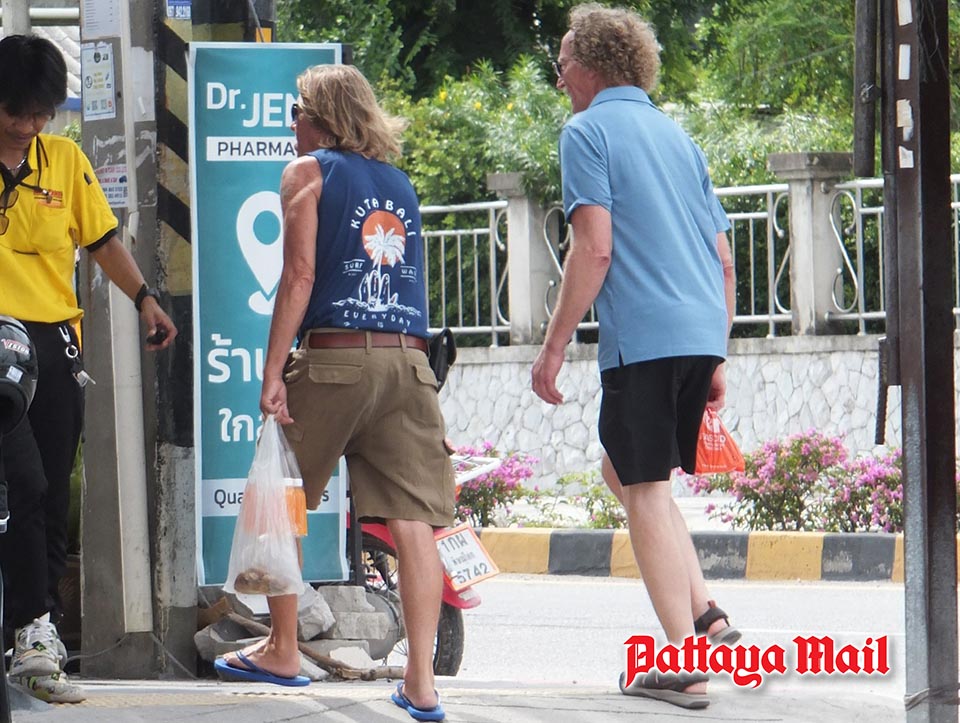
PATTAYA, Thailand – Pattaya’s reputation as a budget-friendly destination is evolving as the Thai baht strengthens against the Dollar, Euro, Pound, and Yuan. Visitors who once enjoyed comparatively low prices now encounter higher costs for accommodation, drinks, and nightlife experiences, reflecting shifts in both the local economy and tourist demographics.
Many tourists note that short-time arrangements, previously ranging from 1,300–1,500 baht, now often exceed 2,000 baht, with additional room and drink fees bringing totals closer to 3,000 baht. Go-go bars report short-time rates around 7,000 baht and long-time rates near 10,000, with bar fines also rising. Drinks in several venues have moved into European price ranges, prompting some visitors to compare Pattaya’s costs with cities abroad.
The price increases follow broader economic trends. Post-pandemic tourism brought investors, including foreign operators, who adjusted rates to match higher demand. This shift coincided with changes in visitor patterns, as long-time regulars returned less frequently, while new demographics—such as one-off tourists or visitors using apps and clubs rather than traditional bars—became more common.
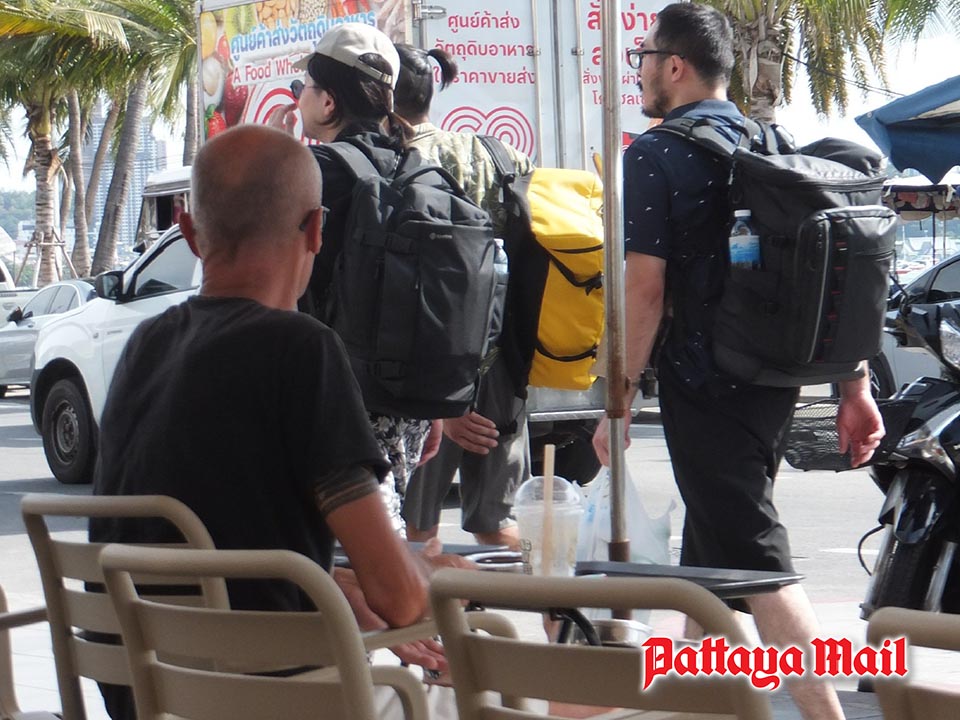
Tourists and locals alike report that nightlife experiences are adapting. Some older patrons note differences in interaction between visitors and staff, while performers have diversified into social media and dating platforms. This change has influenced customer flows and pricing, contributing to the evolving economic landscape of Pattaya’s nightlife.
Outside nightlife, visitors observe rising costs alongside persistent local challenges. Everyday goods, from rice to pork, remain significant expenses for residents, highlighting disparities in purchasing power. Infrastructure concerns, including sidewalks and road conditions, continue to affect daily life, while tourism authorities maintain that overall visitor numbers remain strong.
Pattaya’s nightlife appears to be adjusting to these changes. Clubs and bars continue to operate, supported by new visitors and evolving entertainment models. While higher costs and a strong baht influence spending patterns, the city remains a prominent tourist destination, offering diverse experiences for those visiting Thailand’s eastern coast.