PATTAYA, Thailand – Rising fuel prices, especially diesel and subsidized “green oil” used by fishing boats, are creating growing pressure on local economies in the provinces of Ratchaburi, Samut Songkhram, Phetchaburi, and Prachuap Khiri Khan.
The impact is being felt not only by motorists but also by fishermen, farmers, transport operators, and households already struggling with rising living costs.
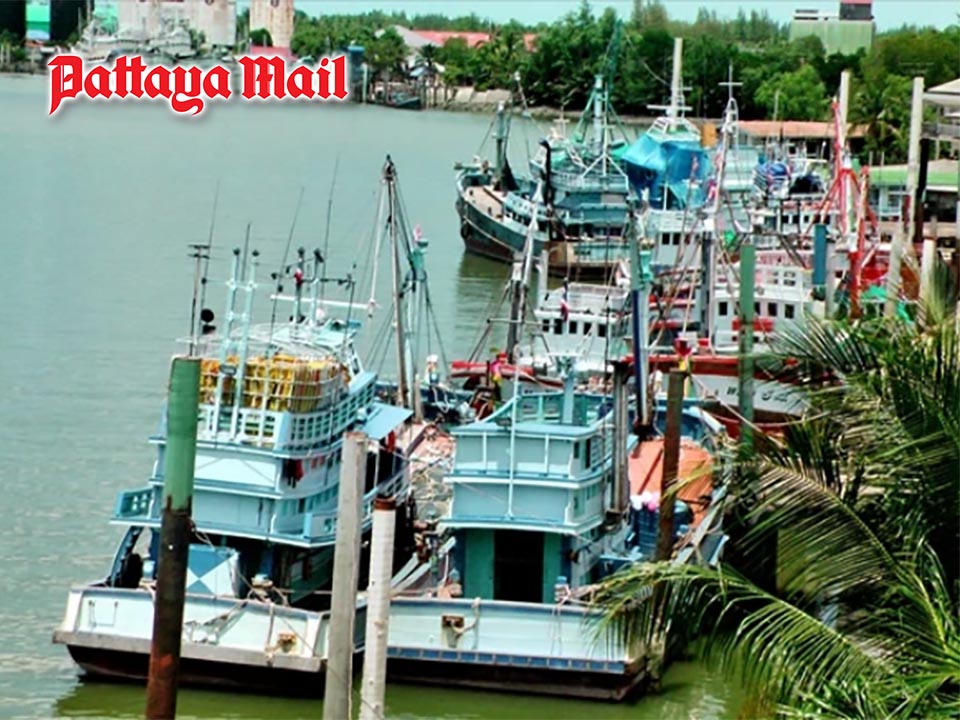
Fishing communities in Samut Songkhram, Phetchaburi, and Prachuap Khiri Khan are among the hardest hit, with fuel accounting for around 60–70 percent of operating costs for fishing boats.
In areas such as Pran Buri and Mae Klong, around 30–40 percent of fishing boats have reportedly stopped operating because fuel prices have risen beyond profitable levels.
Many small-scale fishermen are now facing mounting debt as they borrow money to buy fuel, only to find that income from their catch no longer covers the cost of going to sea.
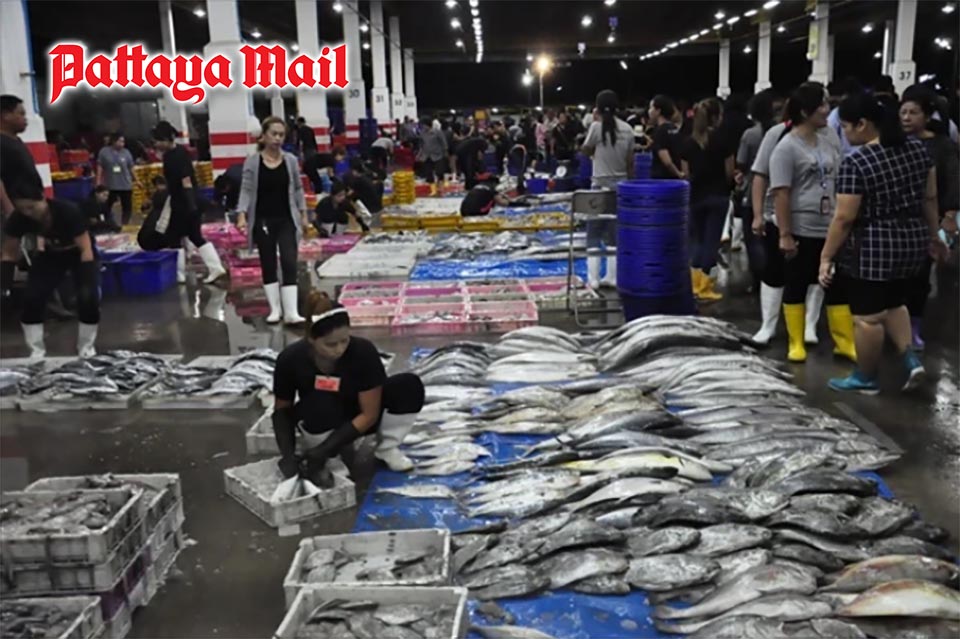
The reduced supply of seafood is already affecting consumers. Fresh seafood prices have risen by around 15–20 percent, putting pressure on restaurants and tourism businesses in areas such as Cha-am and Hua Hin.
At the same time, inland provinces such as Ratchaburi are facing higher logistics costs. As a major agricultural distribution center, the province is seeing rising freight charges that are pushing up the price of vegetables and fruit.
Households in affected areas are reportedly facing an average increase in living costs of around 10–15 percent.
Livestock producers are also being squeezed, with pig and poultry farmers facing higher animal feed costs. Some small operators have already begun shutting down their businesses.
Local residents are urging the government to cap green oil prices for fishermen at around 26–28 baht per liter, prevent middlemen from inflating agricultural prices, and provide low-interest loans and liquidity support for fishing cooperatives and small farmers.
Mongkol Sukcharoenkana, honorary advisor to the National Fisheries Association of Thailand, proposed eight urgent measures to help the sector.
He called for separate support measures specifically for fisheries, a cap on green oil prices at no more than 30–35 baht per liter, direct fuel subsidies for fishing boats, support for alternative fuels such as pyrolysis oil made from waste, lower refining costs, and a government-backed boat buyback scheme to reduce fleet numbers and restore marine resources.
Observers warn that the fuel price crisis is no longer just an energy issue but is increasingly becoming a broader threat to local economies, household incomes, and food security across Thailand.