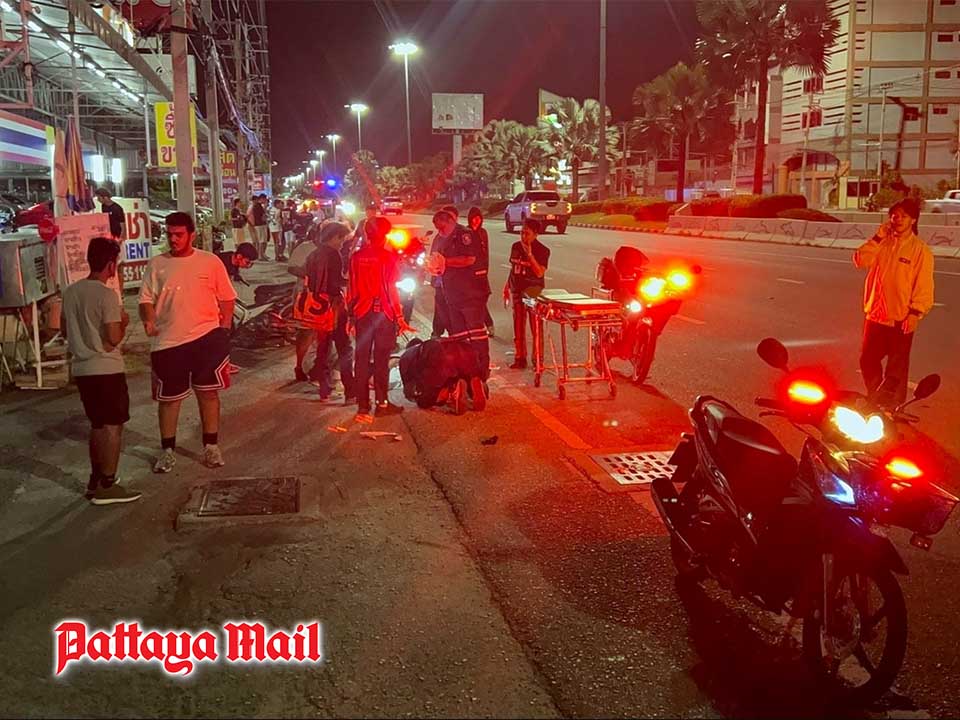
PATTAYA, Thailand – Pattaya’s roads have long been infamous for their mix of reckless driving, poor enforcement, and tragic accidents. Recent reports of so-called “Kuwaiti biker gangs” roaring through the city at night — with one group allegedly injuring a Grab driver and passenger in a crash — have reignited debate about who really owns the streets, and why Thailand remains one of the world’s most dangerous countries for road users.
Yet to single out one nationality misses the bigger picture. Locals have watched Thai teenagers pull wheelies through traffic on modified scooters for years. Long-term visitors have their own horror stories of weaving minivans, unlicensed motorbike taxis, and cars ignoring red lights. “You don’t need gangs to make Pattaya’s roads lethal,” one European resident put it bluntly. “Every day is a gamble on Beach Road.”
Tourists, meanwhile, often underestimate just how unforgiving the city’s traffic really is. Drawn in by the freedom of cheap daily rentals, many visitors climb aboard big bikes without training, licenses, or helmets — a cocktail that quickly turns deadly on wet, chaotic streets. Locals know that the rental shops rarely ask questions, and the police rarely check. The result: inexperienced riders mixing with high-powered engines and Pattaya’s already lawless driving culture.
Critics argue that enforcement is almost performative. Small fines or reminders are given to Thai youths caught riding recklessly, while wealthy foreign riders — whether from Kuwait, the Middle East, or anywhere else — can often buy their way out of serious consequences. The cycle repeats itself, headlines return, and yet nothing changes.
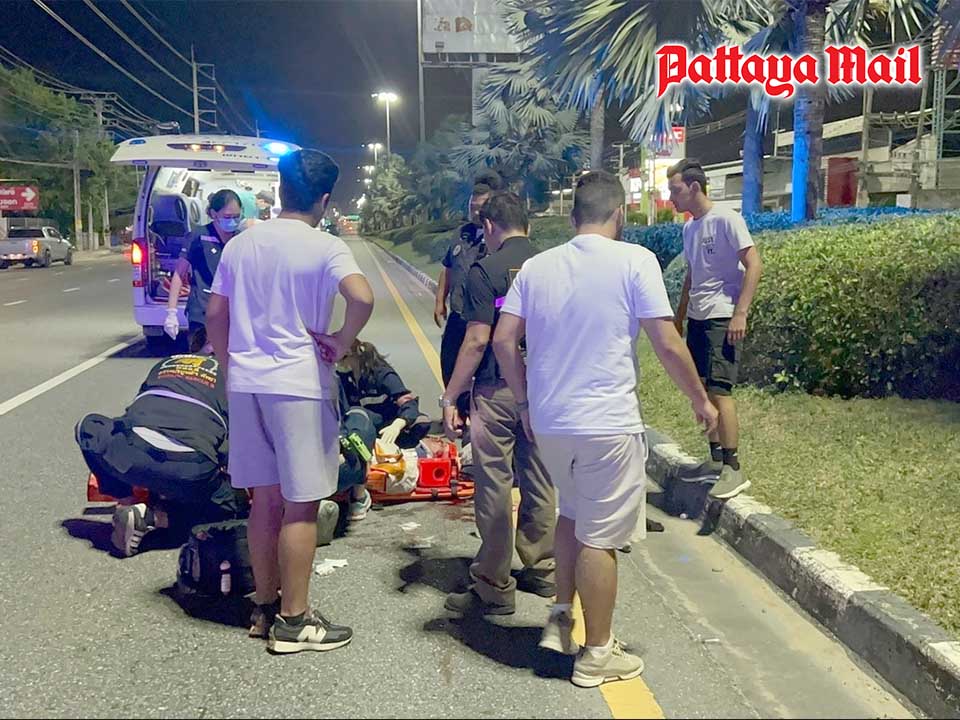
The danger is not abstract. Every week brings fresh reports of crashes, injuries, and fatalities. It has become so routine that many residents no longer even click on the headlines. “News, news, news … more dead people … but no solutions,” one Thai commenter wrote bitterly.
Some propose simple fixes: stricter rental rules for big bikes, proper blacklisting and deportation for foreign offenders, and genuine enforcement of existing traffic laws for everyone. Others go further, suggesting Thailand rethink its visa-free list, excluding “risk groups” before the problem even reaches the streets.
But the underlying truth is harder to ignore. Whether it’s Kuwaiti gangs, careless tourists, or reckless Thai teens, Pattaya’s roads are dangerous for everyone. Until enforcement matches the rhetoric, the city will keep paying the price in broken bodies and broken trust.