Cambodia has continued to blame Thailand for dastardly conduct as the uneasy border ceasefire continues to hold. Phnom Penh has dispatched a letter to the UN, allegedly from the Cambodian Mine Action and Victim Assistance Authority, to complain about the Thai military’s pre-ceasefire attacks on the ancient Preah Vihear temple complex.
Other Cambodian accusations include claims that F-16 Thai jets, prior to July 28, rained down cluster bombs on civilian populations and used poison gas in air attacks. On July 29, the day after the ceasefire, Cambodia urged the Asia Media Summit on Information Integrity to crackdown on hostile propaganda driven by artificial intelligence. It was a barely disguised assault on Thailand’s perceived hostility.
However, Cambodia has a poor reputation for honest news. It is badly placed 161st in the World Press Freedom Index, compared with Thailand’s 85th position. Although Thailand has strict laws on lese majeste, it allows critical commentary and a diversity of political opinions. Cambodia media, by contrast, are rigidly controlled with very few official outlets and a ban on even mild criticism of Hun Sen or his puppet prime minister son Hun Manet.

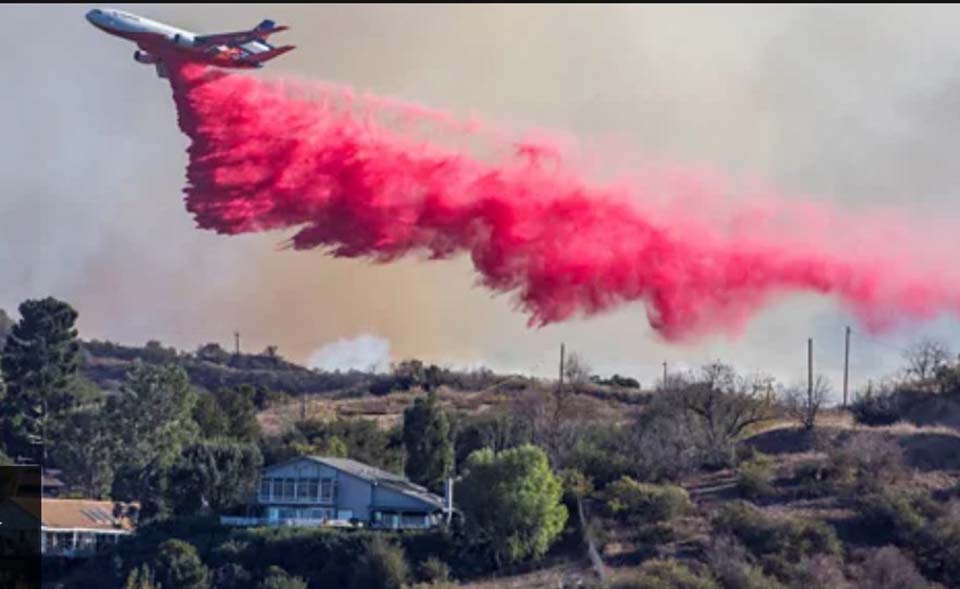
Cambodia’s evidence for Thai atrocities is weak. Blurred and impossible-to-verify photographs have appeared, purporting to show damage to ancient temples. A ridiculous Facebook photo, evidently endorsed by Hun Manet’s wife, purports to show a Thai jet spraying brightly-colored poison gas, in fact a wildfire retardant or suppressant of forest fires. Thai military has explained that cluster bombs are used exclusively on military targets and do not carry delayed explosive devices which are the mark of anti-personnel weaponry.
Other fraudulent Cambodian claims on social media are that her troops captured two contested temples and that a Thai jet was downed. Phnom Penh has repeated other nonsense including the claim a Thai general had been killed in action by a cluster bomb and that Thai drones have murdered Cambodian women and children. Mysterious “overseas women” have been accused of spreading anti-Cambodian propaganda on Facebook, TikTok and Telegram.
The Cambodian government’s chief spokesman, Pen Bona, said that Thai criticisms of his country were unreasonable and do not correspond to the notion of Cambodia as a peace-loving nation whose history shows she has suffered greatly. It is surely high time for Phnom Penh to rely on hard evidence when indulging in post-ceasefire politics. The fact that Cambodian citizens dislike wars or that the country has a notoriously sad history are irrelevant in this context.