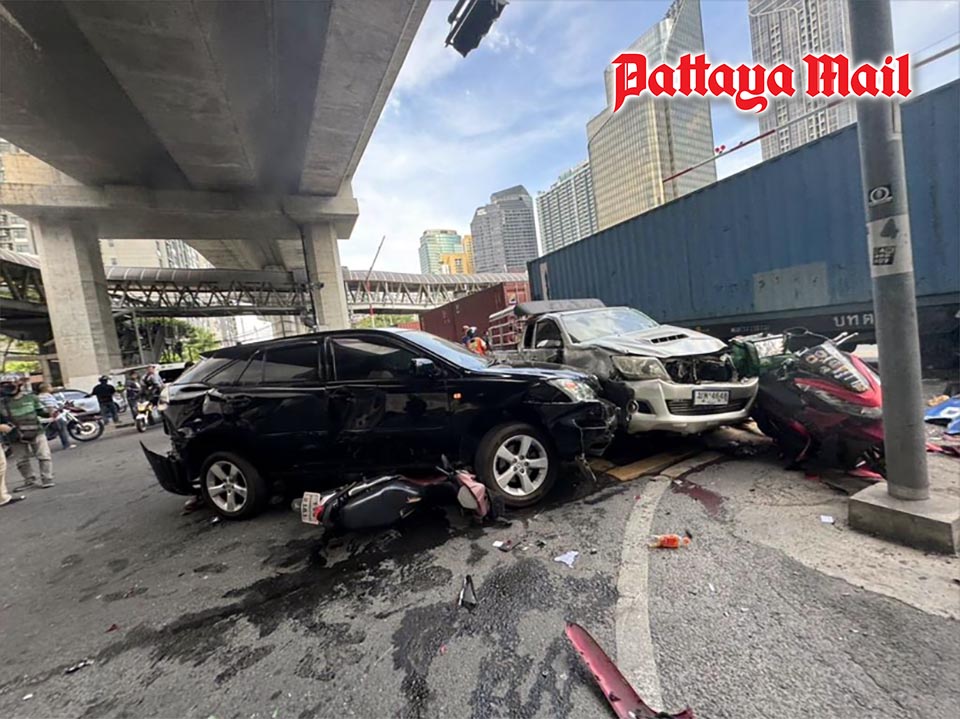
PATTAYA, Thailand – Thailand’s Ministry of Transport has ordered urgent investigations and compensation measures following the devastating collision between a freight train and a Bangkok Mass Transit Authority (BMTA) bus near the Asoke–Phetchaburi intersection, a tragedy that has reignited concerns over transport safety in one of the country’s busiest urban corridors.
The fatal crash on May 16 claimed eight lives and left 32 others injured after freight train No. 2126 slammed into BMTA Route 206 near the Makkasan railway crossing in central Bangkok.
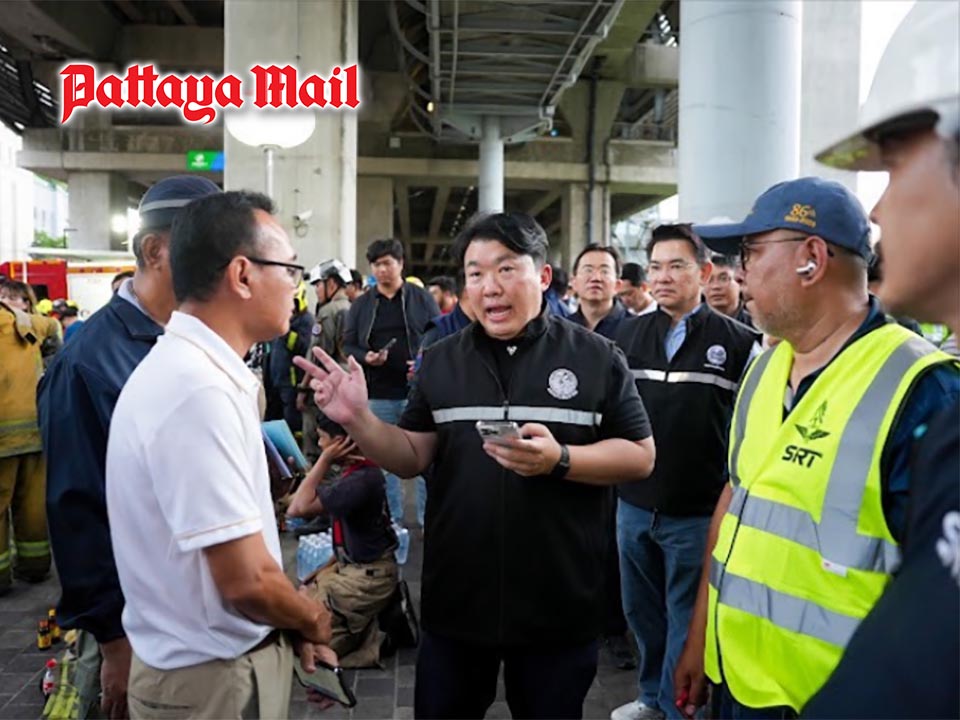
Deputy Transport Minister Siripong Angsakulkiat stated that Prime Minister Anutin Charnvirakul personally visited the scene to monitor the situation, express condolences to grieving families, and order all agencies to provide maximum medical care for survivors while accelerating victim identification procedures so bodies can be returned to relatives as quickly as possible.
Authorities have also been instructed to ensure rapid and appropriate compensation for families of the deceased and those affected by the disaster.
The incident has intensified public concern over road and railway safety standards in Thailand, particularly in heavily congested urban areas where vehicles frequently become trapped near active rail crossings. Questions are now being raised about whether existing warning systems, traffic management, and emergency coordination measures are sufficient to protect both Thai residents and the millions of international visitors who rely on the country’s public transport systems each year.
Transport Minister Phiphat Ratchakitprakarn has directed the State Railway of Thailand (SRT), BMTA, and all relevant agencies to conduct a full investigation into the cause of the collision and develop stronger preventive measures to stop similar tragedies from happening again. Siripong said he immediately traveled to the crash site alongside senior SRT and BMTA executives to coordinate emergency operations with police, rescue workers, and hospitals. Injured victims were rushed to nearby medical facilities, while stranded passengers at Hua Lamphong Station were safely transferred to continue their journeys.
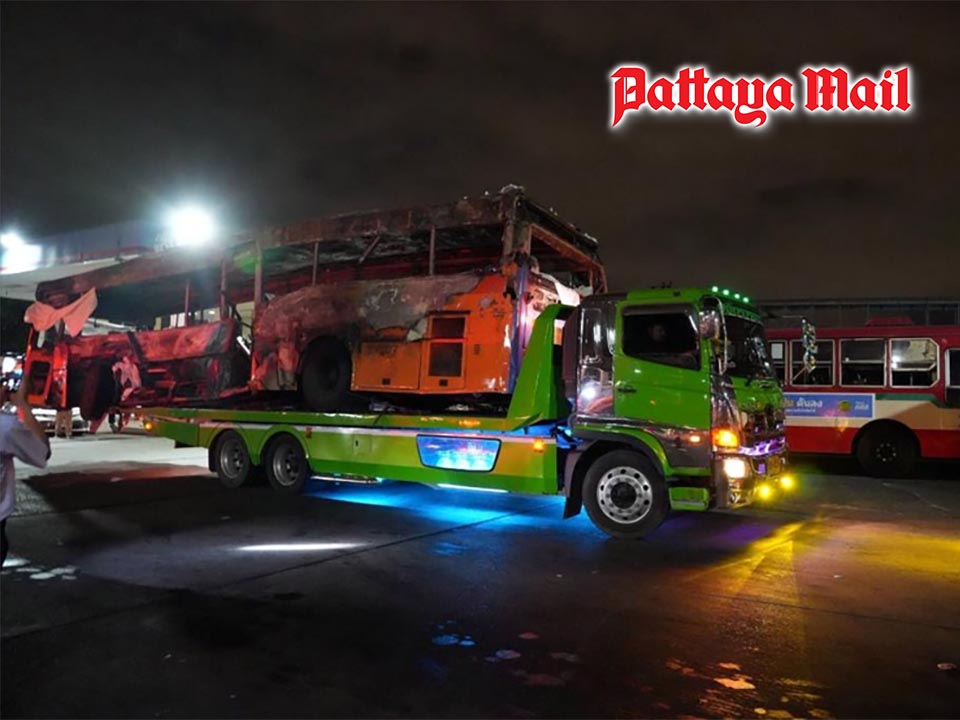
Authorities are also working with insurers and state compensation funds to fast-track financial assistance for victims. Preliminary compensation for fatalities has been set at up to 1.5 million baht per person, while injured victims may receive initial aid of 80,000 baht and compensation of up to 500,000 baht depending on the severity of injuries. Officials confirmed that forensic teams have completed evidence collection at the scene. The damaged bus was removed from the railway crossing at around 1 a.m. and transported to the Rama 9 depot to reopen rail operations and restore traffic flow as quickly as possible.
The Ministry of Transport acknowledged growing public anxiety over transport safety and pledged stricter enforcement, tighter monitoring, and stronger safety policies moving forward.
For many observers, the tragedy has become more than a single accident — it has renewed broader concerns about whether Thailand’s roads, rail crossings, and public transport systems are keeping pace with the realities of modern traffic congestion in a country visited by millions from around the world each year.