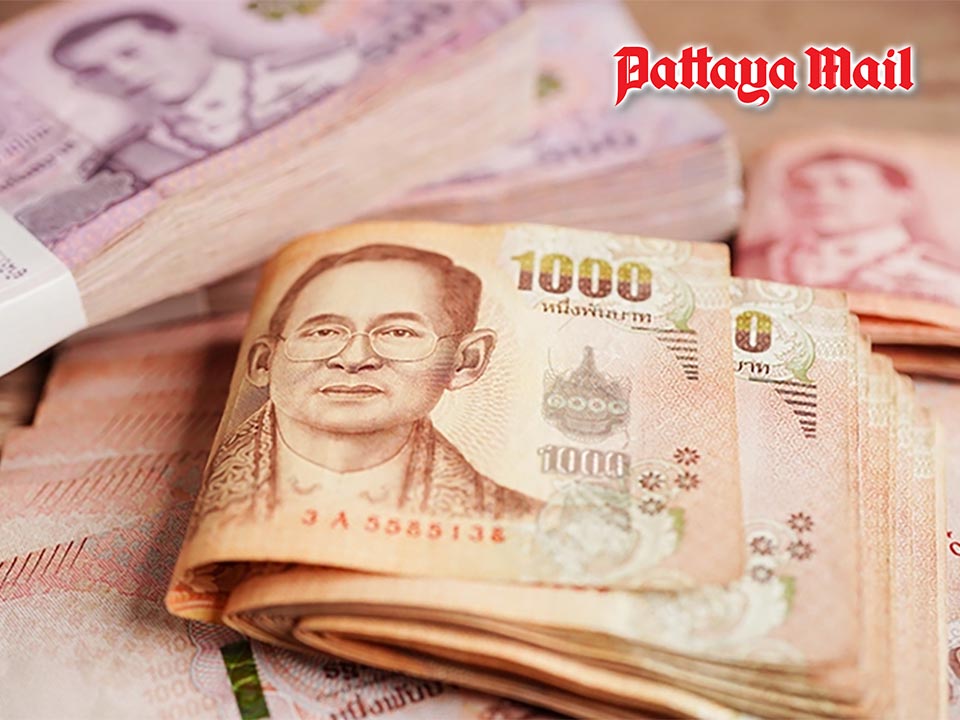
PATTAYA, Thailand – The Thai baht opened trading on Friday (Feb 6) at around 31.80 baht to the US dollar before recovering slightly to trade in the range of 31.72–31.74 in morning trade, supported by a modest rebound in the Japanese yen ahead of upcoming elections in both Thailand and Japan.
The baht’s slight strengthening came as the yen gained on short-covering and position adjustments by investors ahead of Sunday’s Japanese election, which has become a key focus for regional currency markets.
According to Kanchana Chokpaisalsilp, Head of Research at Kasikorn Research Center, the baht weakened to its softest level in nearly two months on Thursday, touching 31.88 baht per dollar. While the currency remains under pressure, she said a recovery in global gold prices following overnight selling in New York has helped provide some support.
Kasikorn Research estimates the baht’s trading range for the day at 31.70–31.95 per dollar, with markets closely watching foreign fund flows, movements in other Asian currencies, global gold prices, and the preliminary US consumer confidence index for February.
Meanwhile, Poon Panichpibool, Market Strategist at Krungthai GLOBAL MARKETS, said the baht could continue to face depreciation pressure over the next 24 hours as global markets remain risk-averse, a factor that continues to support the US dollar.
He added that many market participants are still holding short positions on the Japanese yen, betting on further weakness ahead of Japan’s February 8 election. If the outcome aligns with market expectations, it could place additional downward pressure on the yen, indirectly affecting regional currencies, including the baht.
However, Krungthai Global Markets believes baht weakness may be limited for now, even if it tests the 32.00 baht per dollar level, as investors are also waiting for the outcome of Thailand’s election on February 8 before taking larger positions.
Analysts cautioned that the baht could become highly volatile after the election results are known. Historical data shows that within one month after an election, the baht has fluctuated within a 10th–90th percentile range of at least ±3%. While the currency has averaged a 2% appreciation after past elections, a repeat of the 2023 election scenario could see the baht weaken by more than 3% within a month, running counter to historical averages.