When “Proof of Funds” becomes a barrier to entry and why expats are concerned
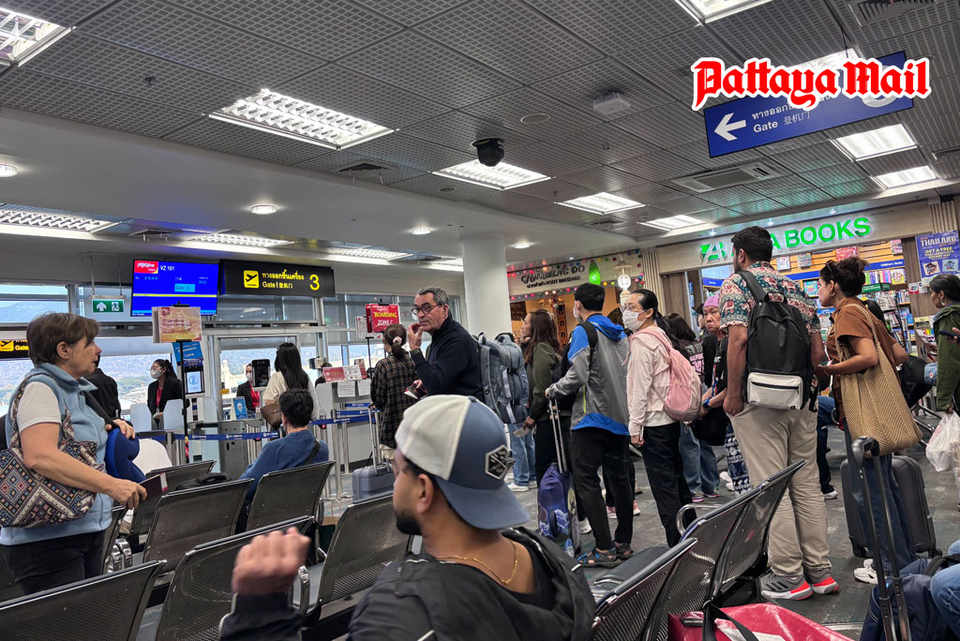
PATTAYA, Thailand – Over the past week, reports have emerged from several major Thai airports Don Mueang, Chiang Mai, and Phuket involving foreign travelers who were denied entry into Thailand after failing to demonstrate sufficient financial means upon arrival. While the incidents appear sudden, they do not stem from any new immigration law. Instead, they reflect a stricter enforcement of existing immigration discretion, particularly regarding the long-standing requirement that visitors must be able to support themselves financially during their stay in Thailand. The result has been growing anxiety among tourists and expatriates alike.
Not a new rule but a revived one
Under Thailand’s Immigration Act B.E. 2522 (1979), immigration officers are empowered to request proof that a foreign national has adequate funds to support their stay. Traditionally, this amount has been cited as approximately:
֍ THB 20,000 per person, or
֍ THB 40,000 per family
In practice, however, this requirement had been rarely enforced in recent years, particularly during the post-COVID period when Thailand was actively encouraging inbound tourism. What has changed is not the law itself, but the willingness of immigration officers to exercise their discretion more rigorously at the point of entry.
Reports from Don Mueang and Chiang Mai
At Don Mueang Airport, several cases have been reported in which travelers were questioned extensively, detained temporarily, and ultimately refused entry after failing to show sufficient funds or supporting documentation. Similar accounts have surfaced from Chiang Mai, largely through traveler networks and online forums. While not every passenger is questioned, the inconsistency in enforcement has contributed to uncertainty and concern, particularly among repeat visitors and long-term residents who are accustomed to relatively smooth entry procedures.
Phuket Airport: A First-Hand Account
In the case of Phuket International Airport, the author was contacted directly by a Russian tourist, not by immigration officials. The traveler had been presented with a document at immigration and asked whether it was safe to sign. Upon review, the document was identified as a standard “Refusal of Entry” form issued by Thai Immigration. Crucially, the document did not contain any language indicating blacklisting, permanent exclusion, or long-term immigration penalties. It merely recorded that entry was denied on that specific occasion.
The tourist was advised that signing the document would not result in a blacklist and would not prejudice future travel to Thailand. Once adequate funds or supporting documentation are available, re-entry remains possible under normal immigration procedures. This episode underscores a recurring issue: many travelers misunderstand the legal effect of refusal-of-entry documents, leading to unnecessary fear and speculation.
Refusal of Entry Is Not Blacklisting
One of the most damaging misconceptions circulating among expat communities is the belief that being refused entry automatically results in a blacklist. That is not generally the case. A refusal of entry is an administrative decision made at the border, based on the officer’s assessment at that moment. It does not, by itself, amount to a ban, nor does it permanently bar future entry unless accompanied by a separate blacklisting order which would be expressly stated. Unfortunately, this distinction is rarely explained clearly to travelers at the airport.
Why the Expat Community Is Uneasy
The concern among expats and frequent visitors does not arise from the existence of immigration discretion that discretion has always existed. The concern lies in:
1. Lack of clear, official communication about renewed enforcement
2. Uncertainty over what constitutes acceptable proof of funds
3. Confusion over whether funds must be held in cash or may be shown digitally
4. Fear that signing immigration documents may have long-term consequences
When rules appear to be applied unevenly and without clear guidance, confidence erodes even among those who respect the law and intend to comply.
A Matter of Communication, Not Policy
Thailand remains entitled to control its borders, as every sovereign state does. However, predictability and clarity are essential, particularly for a country that relies heavily on tourism and long-term foreign residents.
Clear guidance especially in English confirming that:
֍ Proof of funds may take multiple forms,
֍ Refusal of entry is not equivalent to blacklisting, and
֍ Compliance restores eligibility for future entry, would go a long way toward restoring confidence.
What we are witnessing is not a legal shift, but an operational one. Immigration officers are exercising discretion that has always existed but doing so more visibly and more strictly. For travelers and expats, the lesson is simple: be prepared. Carry accessible proof of funds and supporting documents, even if such proof has not been requested in the past. For policymakers, the message is equally clear: law enforcement works best when paired with transparency. Without it, even lawful discretion can feel arbitrary.