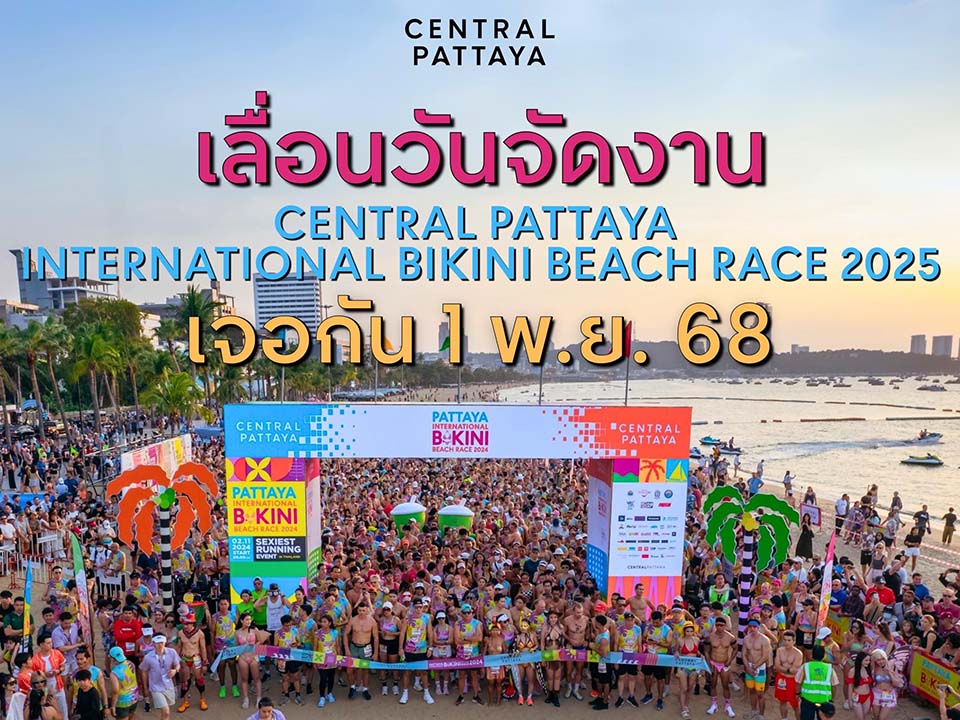
PATTAYA, Thailand – The scene is set. As the rainy season fades, Pattaya Beach is once again filling with the classic postcard imagery: foreigners lounging under umbrellas, streaks of colorful bikinis dotting the sand, and the sea breeze hinting at the arrival of high season. Local operators say hotel bookings are ticking up, particularly from Europe and East Asia. Pattaya’s city hall is promoting the upcoming Pattaya International Fireworks Festival (Nov 28-29), a late-year spectacle billed as one of the biggest tourism draws in Thailand.
But behind the sun, sea, and fireworks, the question lingers: is Pattaya truly ready to sustain its “global resort” image, or is it merely polishing the surface for another short-term influx?
The city is rushing to spruce up beaches and reassure visitors about safety, but long-term issues remain stubbornly in place. Complaints about traffic chaos, poorly managed public spaces, and lingering doubts about security continue to shadow the resort’s reputation. For repeat visitors, the real test isn’t just dazzling pyrotechnics but whether everyday experiences — from walking down an uncluttered beach path to feeling safe at night — measure up to the glossy marketing.
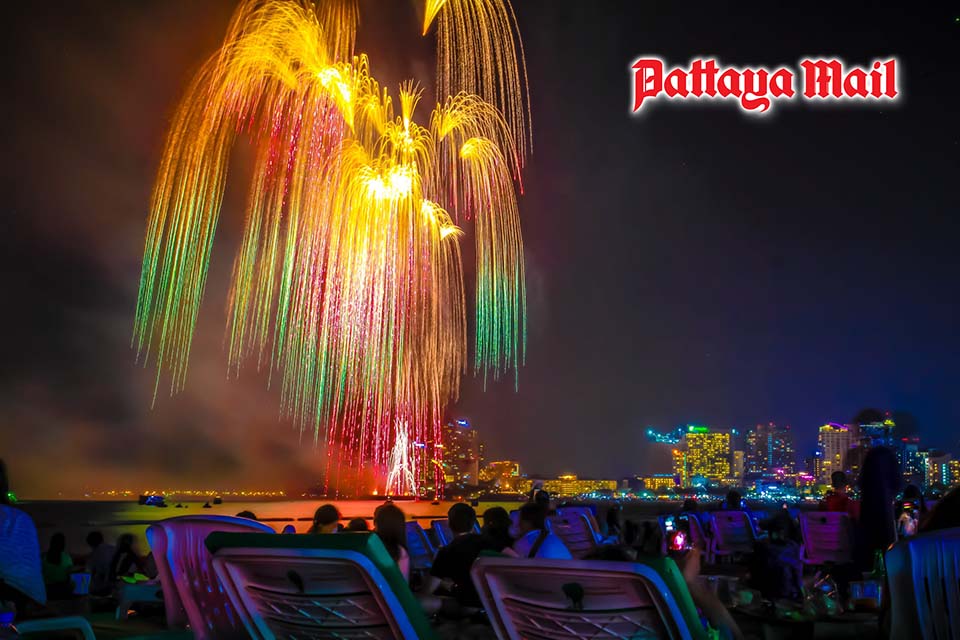
Tourism analysts often point out that Pattaya has mastered the art of the “big event economy.” From bikini runs (Nov 1) to jazz festivals (Dec 5-6), the city is never short of spectacles. Yet critics argue that these events serve as bursts of attention rather than a foundation for sustainable tourism growth. When the fireworks fade, tourists still face the same infrastructure headaches and an unchanged reality on the ground.
As one longtime visitor put it bluntly, “It’s not the fireworks or the bikinis that decide if I come back — it’s whether the basics are done right.” Pattaya’s high season may glitter, but it will take more than bikinis and pyrotechnics to keep the world convinced that this is a premier beach destination.