BANGKOK, Thailand – Looking at a smartphone is often blamed for tired eyes, but screen use is only one of several everyday habits that can contribute to eye strain, dryness and longer-term eye health problems. Simple routines such as forgetting to blink, rubbing the eyes, skipping sunglasses or regularly getting too little sleep may seem harmless, but experts recommend paying closer attention to these habits and making small changes where possible.
- Blinking too little while reading or using screens
People tend to blink less when concentrating on a phone, tablet or computer screen. Reduced blinking can leave the surface of the eye drier and contribute to tired, irritated or uncomfortable eyes. A useful habit is to consciously blink more often and take regular breaks. The widely recommended 20-20-20 rule advises looking at something about 20 feet away for 20 seconds every 20 minutes of screen use.
- Using a phone in a dark room
Checking a phone in bed with the lights off can create a large contrast between the bright screen and the surrounding darkness. While this does not necessarily mean permanent eye damage, it can make viewing more uncomfortable and contribute to eye strain. Keeping some ambient lighting on and reducing screen brightness can make prolonged viewing easier on the eyes.
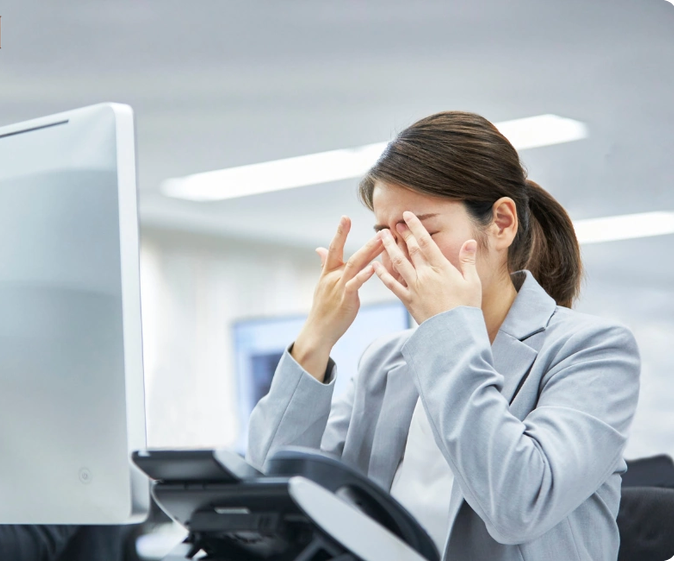
- Rubbing the eyes frequently
Rubbing itchy or tired eyes may provide temporary relief, but frequent or forceful rubbing can irritate the eye and transfer dirt or bacteria to the surface. People with persistent itching or irritation should address the underlying cause rather than repeatedly rubbing their eyes.
- Forgetting to protect the eyes from sunlight
Sunglasses are more than a fashion accessory. Long-term exposure to ultraviolet radiation can damage the eyes and is associated with conditions including cataracts and age-related macular degeneration. When outdoors, particularly in strong sunlight, choose sunglasses that block 99 to 100 percent of both UVA and UVB radiation. A wide-brimmed hat can provide additional protection.
- Overusing redness-relief eye drops
Not all eye drops are the same. Redness-relief drops can temporarily make the eyes appear whiter by constricting blood vessels, but frequent or inappropriate use may not address the underlying cause of irritation. People who regularly need eye drops for dry, red or irritated eyes should consider discussing the problem with an eye-care professional rather than relying on redness-relief products.
- Eating too much fat, sugar and salt
Diet also matters to eye health because the eyes depend on healthy blood vessels and normal metabolic function. A diet consistently high in unhealthy fats, added sugars and salt can contribute to broader cardiovascular and metabolic problems, which can in turn affect the health of the eyes. A balanced diet containing vegetables, fruit, whole grains and other nutrient-rich foods is a better long-term choice.
- Regularly staying up late
Poor or irregular sleep can leave the eyes feeling tired, dry and uncomfortable the following day. Chronic sleep problems may also be associated with other health conditions that affect the eyes.
Maintaining a regular sleep schedule gives the body and eyes time to recover and can help reduce fatigue associated with prolonged daily visual activity.
- Smoking or breathing secondhand smoke
Smoking is harmful to eye health as well as the rest of the body. It has been linked to an increased risk of several serious eye conditions, including cataracts, age-related macular degeneration and optic nerve damage.
Avoiding smoking and reducing exposure to secondhand smoke are therefore important steps for protecting vision over the long term. Eye care does not require complicated changes. Taking regular breaks from screens, blinking frequently, wearing proper UV protection, avoiding unnecessary eye rubbing, getting enough sleep and maintaining a healthy lifestyle can all help. People experiencing persistent eye pain, blurred or changing vision, flashes, significant redness or other continuing symptoms should seek professional eye care rather than assuming the problem is simply caused by screen use.