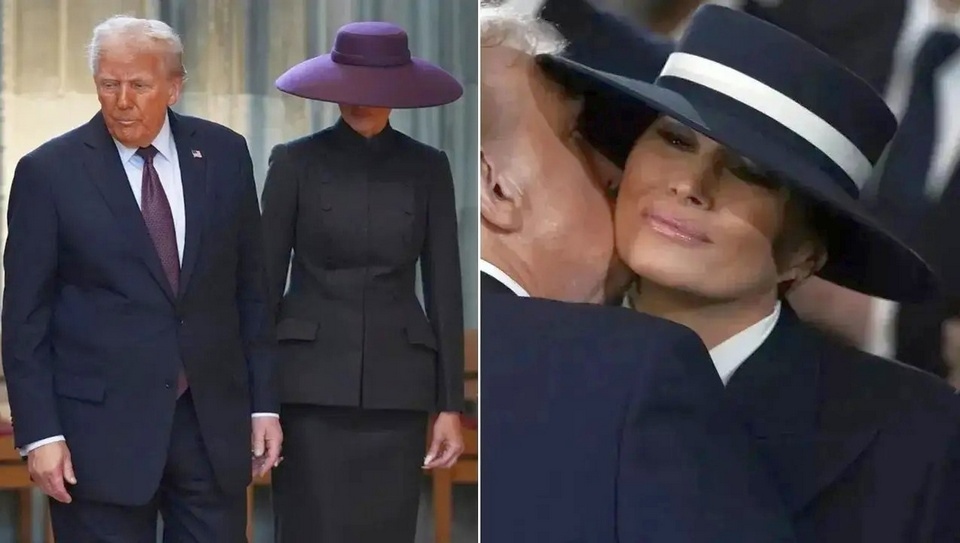
Hats are full of symbolism. At the recent toffs’ ceremonies at Windsor Castle, Melanie Trump was not wearing her enormous and expensive hat to cover a gray hair or two or even to keep off the rain. It meant other things. She wanted to show her high status, make it difficult for the press to obtain closeups of her eyes or expressions and make it impossible for her husband to kiss her at ease.
Nothing new in the politicization of hats. In the late eighteenth century, the Brits invented the top hat. It was meant to symbolize high status or respectability and was worn by Prince Albert to set an example. American president Abraham Lincoln wore an exaggerated version known as The Chimney Pot. “Peelers”, the predecessors of the UK’s regular police, were allowed to wear top hats in the 1830s to affirm they were government enforcers.
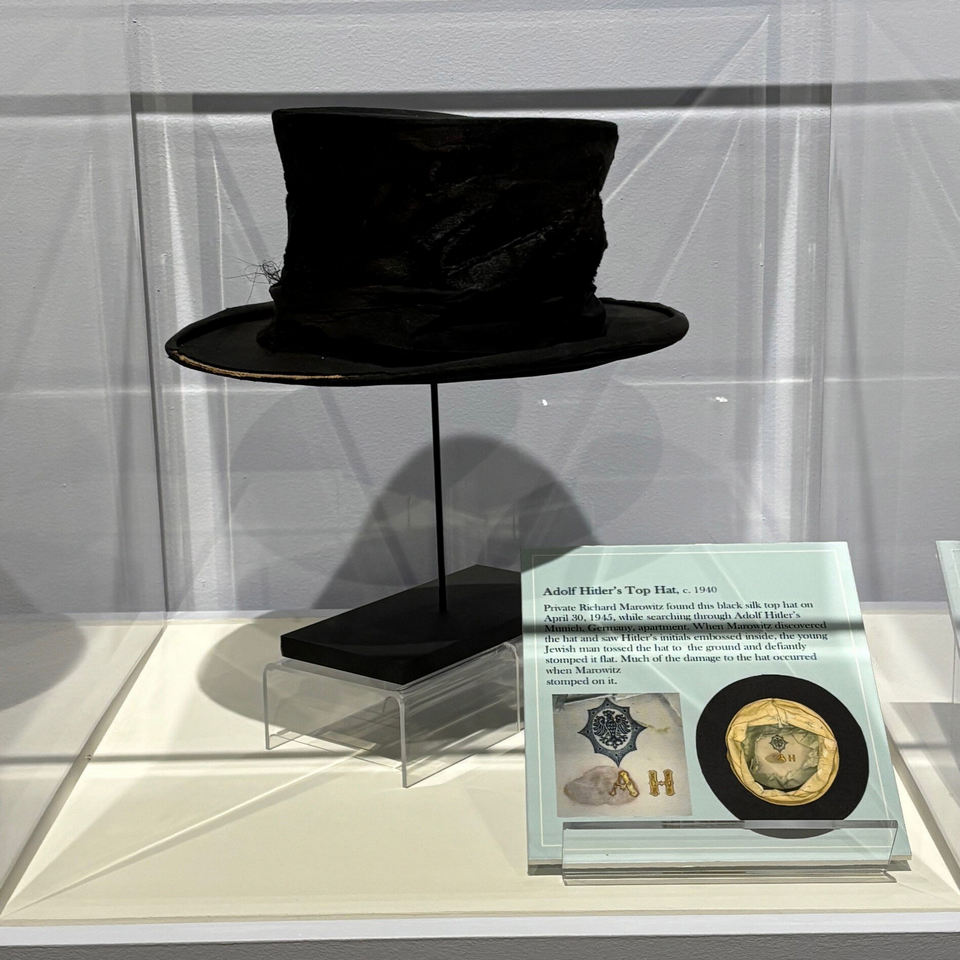
Perhaps the most famous top hat in history belonged to Adolf Hitler which he sometimes wore before world war two to try and demonstrate he was a civilian at heart. A young American Jewish soldier, Richard Marowitz, found it whilst rummaging through Hitler’s apartment in Munich at the end of the war, stomped on it and stuffed it in his belongings where it remained for half a century before being turned over to a military museum in New York.
Top hats have almost disappeared from usage these days, although one or two British public schools are said to retain them for speech days. Occasionally, a stockbroker might still wear one when he has made a killing on the stock exchange. Perhaps the last diplomatic occasion was the Japanese capitulation in 1945 when the emperor’s foreign minister signed the order of surrender after, of course, removing his top hat.
A rival to the top hat was the shorter bowler which was first used by horse riders in the nineteenth century to prevent their heads in taller hats from hitting trees and causing accidents. Unlike top hats, bowlers were sturdy and practical being worn by people both rich and poor. Thus they became famous in Hollywood movies, being favored by the gentleman vagabond Charlie Chaplin and by accident-prone Oliver Hardy as well as by John Steed in the 1960s TV series The Avengers.
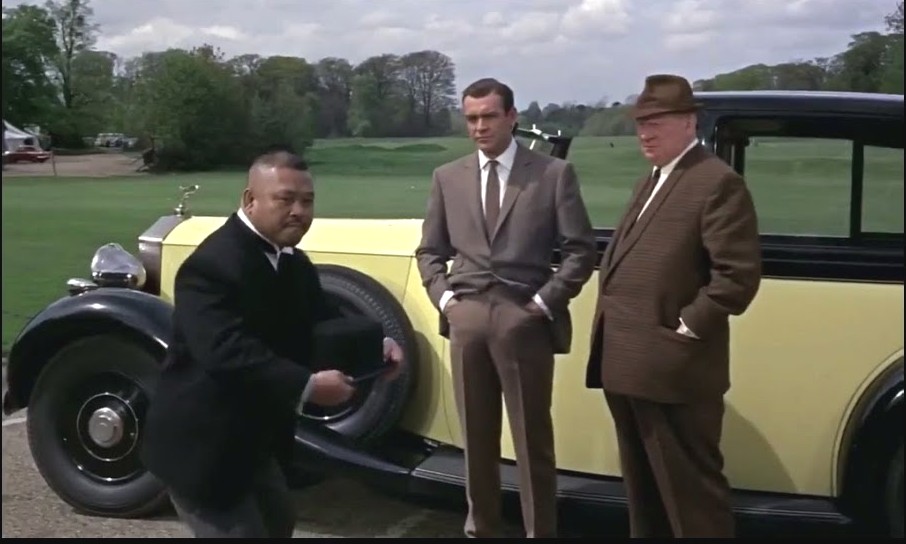
But bowlers never fully recovered after the discovery that state executioners had worn them in France and Germany in the 1940s. Oddjob wore a killer bowler in the Bond movie Goldfinger, but the steely hat’s ability to fly is a myth. That lethal hat was rated the 10th most popular movie weapon by 20th Century Fox in its survey of fans. It was once auctioned for US$62,000.