PATTAYA, Thailand – From April 1, authorities across Thailand have once again stepped up traffic law enforcement, promising heavier fines and stricter penalties targeting 10 major violations — from speeding and drunk driving to riding without helmets and ignoring traffic signals.
On paper, it sounds decisive. In reality, many drivers are asking a familiar question: haven’t we heard this before?
This is far from the first suppression. Over the past decade, similar campaigns have been launched with strong messaging and short bursts of enforcement. Yet on the streets — whether along Sukhumvit Road, Beach Road, or the crowded sois of Pattaya, as well as in Bangkok and beyond — risky driving habits remain part of daily life.

Motorcyclists continue to weave through traffic without helmets, cars edge through red lights at busy intersections, and double parking or even sidewalk parking still clogs key routes, especially during peak hours. In Pattaya in particular, the mix of tourists, delivery riders, baht buses, and private vehicles creates a kind of controlled chaos that no short-term crackdown has yet managed to fix.
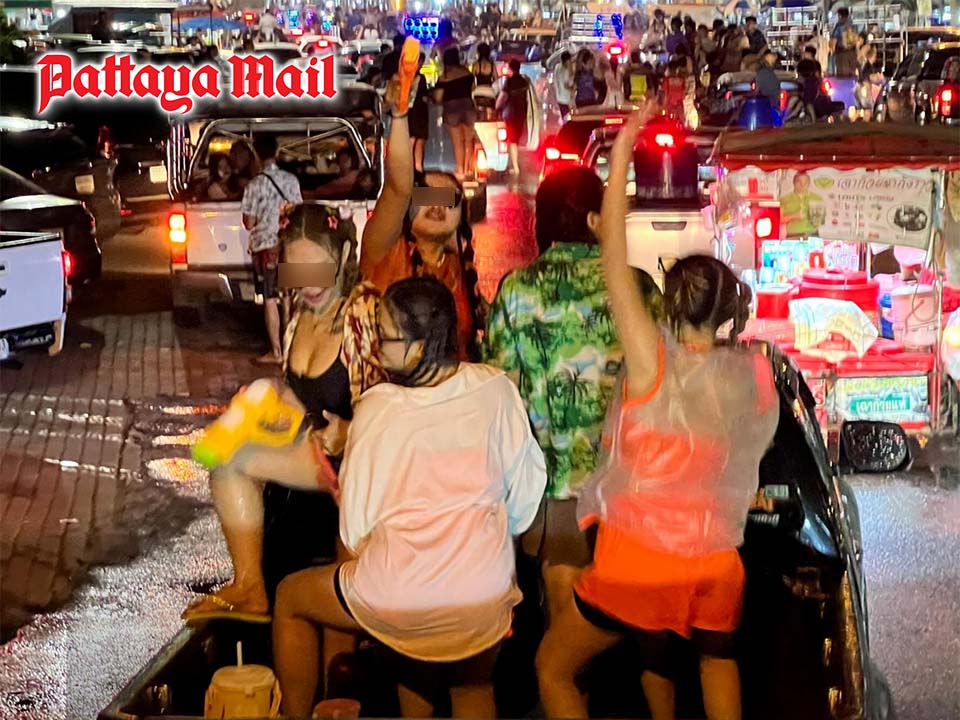
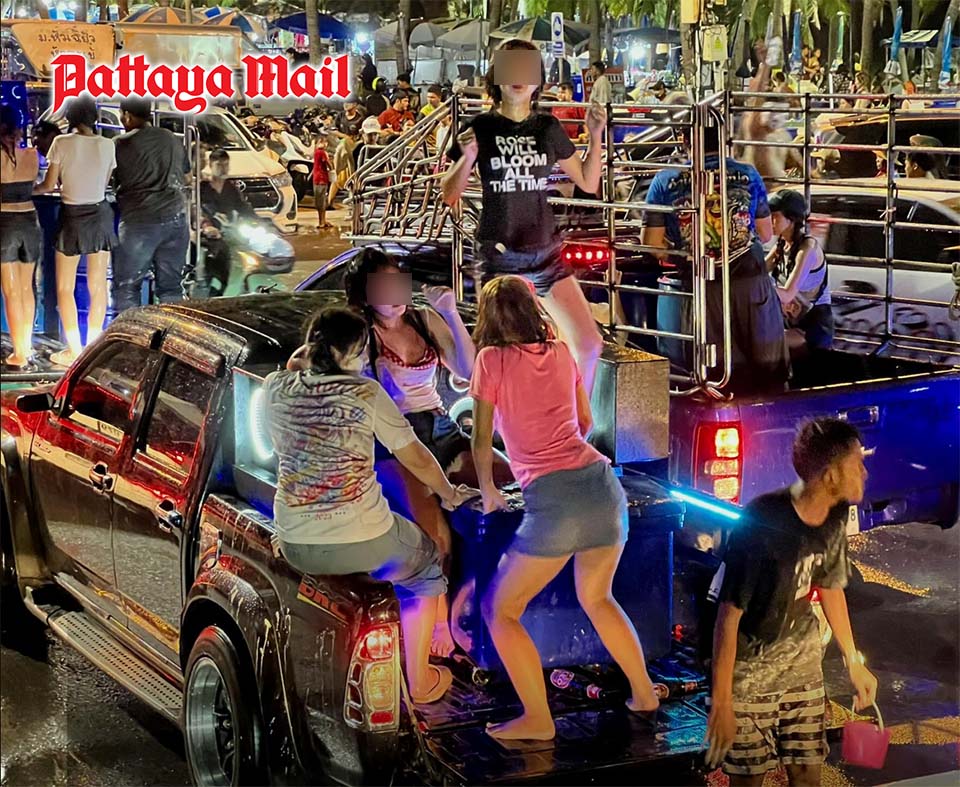
And now, with the approach of Songkran, the situation may be about to intensify. What is officially a traditional New Year celebration has, in places like Pattaya, evolved into a sprawling, high-energy water festival that can stretch close to 10 days. For many, it’s a time to celebrate and embrace the fun. For others, it increasingly resembles one of the most lawless periods on Thailand’s roads — with water splashing distractions, pickup trucks packed with revelers, and widespread disregard for normal traffic discipline. Some critics go as far as calling it the most chaotic road environment in the country, if not one of the most extreme anywhere in the world during a public holiday.
Are foreigners being targeted?
Among long-term visitors and tourists, there is ongoing skepticism about whether stricter enforcement disproportionately affects foreigners — particularly so-called “farangs.”
In reality, Thai traffic laws apply to everyone equally. But perception often tells a different story. Foreign drivers tend to stand out more, may be less familiar with local road behavior, and are often easier to stop and fine. Meanwhile, locals are sometimes seen navigating the system with more confidence or familiarity, reinforcing the belief that enforcement is uneven, even if not officially biased.
The real issue: consistency, not rules
Thailand already has comprehensive traffic laws that, if consistently enforced, could significantly improve road safety. The real challenge lies in maintaining that enforcement beyond the initial campaign period. Without long-term visibility, education, and a shift in driving culture, stricter fines risk becoming just another temporary headline.
On Pattaya’s roads, where congestion, tourism pressure, and informal driving habits all collide, the gap between policy and reality is especially clear. As the city heads into its busiest and most chaotic festive period, the contrast between official enforcement campaigns and what actually happens on the streets is likely to be tested once again.
As one long-term resident put it: “Drive around Pattaya during Songkran — that’s when you really see how much the rules matter.”