Stadtilm is a small town in what used to be known as East Germany. The town is deep in the countryside and a long way from anywhere in particular. The nearest well-known city is Leipzig, which lies about a hundred miles north-east. The town itself it pleasant enough but doesn’t have much claim to fame, except that it was the hometown of Friedrich Wilhelm August Fröbel, a name recognised by many experienced teachers. He laid the cornerstones for modern educational practice based on the recognition that children have unique needs and capabilities. He coined the German word kindergarten, which eventually also entered the English language.

For wine enthusiasts, Stadtilm has another point of interest. The well-known wine maker and entrepreneur Wolfgang Blass was born there. But in 1949, at the age of fifteen, Wolfgang ran away from school. His distraught parents had roots in the wine industry and they gave him an ultimatum: either go back to school or take a three-year apprenticeship in the wine business. Wolfgang rejected the first option. He started to train in viticulture and winemaking and earned his Master Winemaker Diploma from the University of Würzburg at the age of twenty. His early career included work as a wine producer in Germany and a wine chemist in England, before he emigrated to Australia, where he set himself up as a wine consultant.
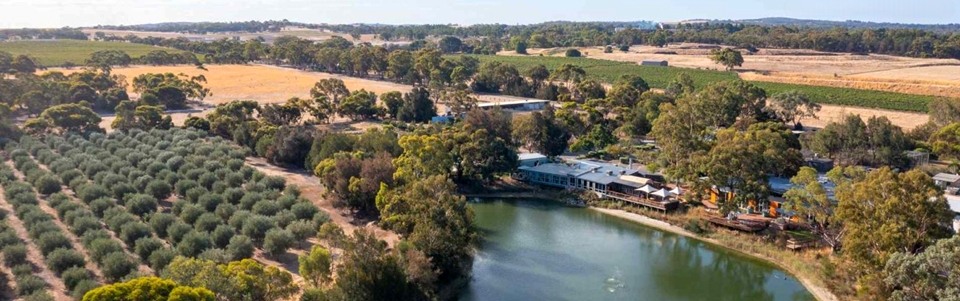
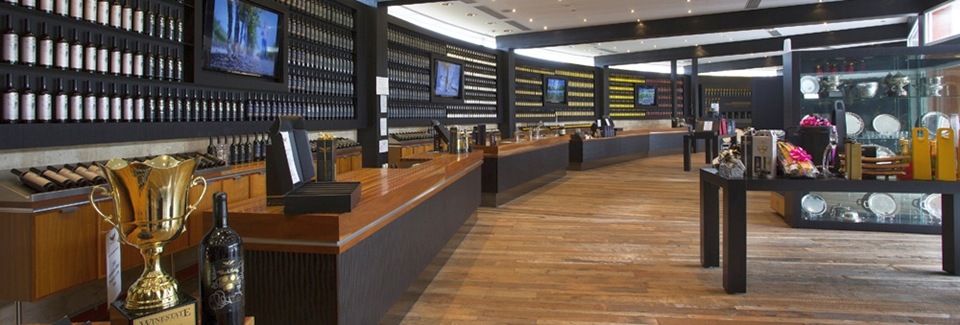
 In 1966, he established Wolf Blass Wines. The company was located on a modest patch of land on Bilyara Road in the small town of Nuriootpa in the Barossa Valley. Having discovered that bilyara is the Aboriginal word for eagle hawk, Wolf Blass decided that the eagle would be his company emblem. Today every bottle of Wolf Blass wine carries the eagle image, which of course is also the national symbol of Germany. Wolf Blass Wines has grown from a humble tin shed to become one of the world’s most successful wineries. It’s still based in Nuriootpa which lies about an hour’s drive north of the state capital, Adelaide. This pleasant town is also the home of Penfolds Wine, one of Australia’s oldest wineries and established by the English physician Christopher Rawson Penfold in 1844.

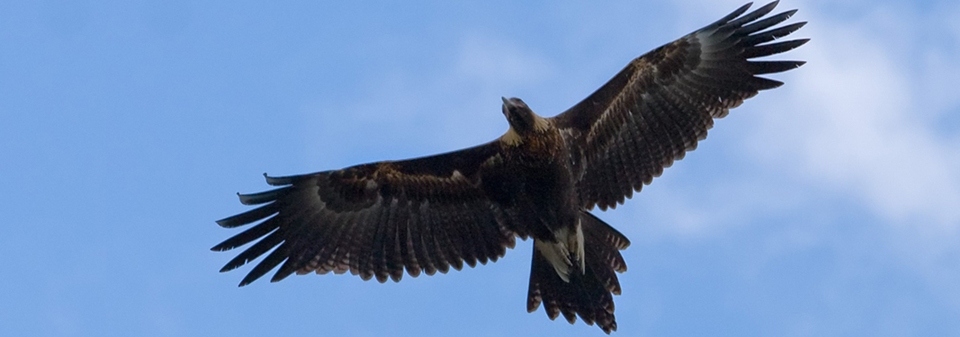
I have always been ornithologically challenged. Unlike my father, who could spot a great bustard at two hundred yards, I couldn’t tell the difference between a great bustard and a bull’s foot. Well, I suppose I could, given a few helpful clues, such as “This is a bull’s foot.” But I might recognise an eagle hawk, because it’s an enormous thing with a wing-span of over seven feet. It’s the largest bird of prey in the world and feeds on small mammals, reptiles and even other small birds. Eagle hawks (sometimes confusingly known as hawk eagles) are found in Africa, the Americas and Asia, including the forested areas and open woodlands of Thailand.
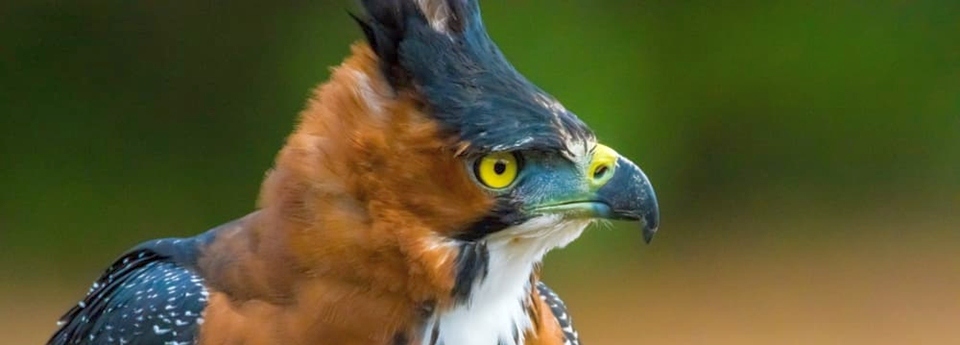
Eagle hawks are amazing flyers and they can soar for hours on end at around six thousand feet and sometimes higher. No one seems to know why they do this. Perhaps, like Jonathan Livingston Seagull, they just enjoy it. Have you ever come across that wonderful little book? It was written by Richard Bach and first published in 1970. To the amazement of the author and the publishers, within two years it had sold over a million copies. Perhaps the appeal of the allegorical fable lay in the fact that Jonathan Livingston Seagull was an independent soul with an incurable passion for flight and an overwhelming desire to excel himself by flying higher and faster than anyone else. It’s an intensely moving story, perhaps because many readers could identify so easily with the ambitious seagull.
Now then, where was I? (I was beginning to wonder. – Ed.) Oh yes, some of Australia’s most successful winemakers are employed at Wolf Blass and the company has won over ten thousand national and international awards. Sourced from many different vineyards in South Australia, Wolf Blass wines have a recognizable style and the Eaglehawk range represents the entry level wines; a selection of fourteen fresh, approachable wines of quality and value designed for everyday enjoyment.
When I previously reviewed some of the Eaglehawk range about twelve years ago, the price in Thailand was around Bt 500 per bottle, but it has been reduced significantly in recent years. Perhaps this is due to changes in market demand or competition from other brands, or perhaps there have been changes in marketing strategies or production factors. Either way, it’s good news for consumers, especially those who prefer rich and full wines. They are easily available too: I picked up both these wines at the local Lotus’s store just down the road.
Wolf Blass Eaglehawk Chardonnay 2023 (white), Australia (Bt. 399 at Lotus’s)
This pale, bright golden wine looks lovely in the glass and comes with an unexpectedly refined smell. If you give it a bit of time, you’ll be rewarded with aromas of citrus, honeyed melon, peach and fresh white flowers. Exactly what flowers I have no idea, for I am not too good on flowers. The mouth-feel is soft and silky with a light, creamy texture that’s typical of warm-climate Chardonnay. There’s just the faintest touch of acidity which enhances the flavour and gives the wine a sense of firmness, but you might miss the acidity altogether. Incidentally, if the mention of “acidity” evokes unwelcome memories of steaming test-tubes in the school chemistry lab, fear not because most fruit and nearly all food and drink contain some element of acidity, even strawberry jam, milk products and cornflakes.
Chardonnay (shar-dun-AY) originated in the Burgundy region of Eastern France, but over the years the grape has been planted in most wine-producing countries. It’s a remarkably versatile grape. In France’s Chablis region it produces lean, crisp mineral flavours, whereas in warmer climates, the tastes are more of citrus, peach and melon with more fig and tropical fruit aromas and generally less acidity.
Although this off-dry wine is crafted in a popular style with plenty of fruit on the palate, the winemakers at Wolf Blass always manage to bring a touch of class to their wines. There’s a long finish too, with flavours of peach and citrus. As to food choices, I’d suggest that this wine is a bit rich in fruit to partner fish dishes or creamy cheeses like Brie or Camembert all of which benefit from a bit of acidity. The makers suggest that you could pair the wine with chicken, creamy pasta sauces, seafood, veal and quail. They also suggest poached chicken and avocado salad, or a pumpkin and bacon risotto. But it’s a pleasing stand-alone wine too. I’d be quite happy to drink this all evening and so, it appears, would the dogs. But that is not to be, because they’re having Pedigree Chum beef chunks for dinner and a dry Merlot will be much more appropriate.
Wolf Blass Eaglehawk Cabernet Sauvignon 2023 (red), Australia (Bt. 399 at Lotus’s)
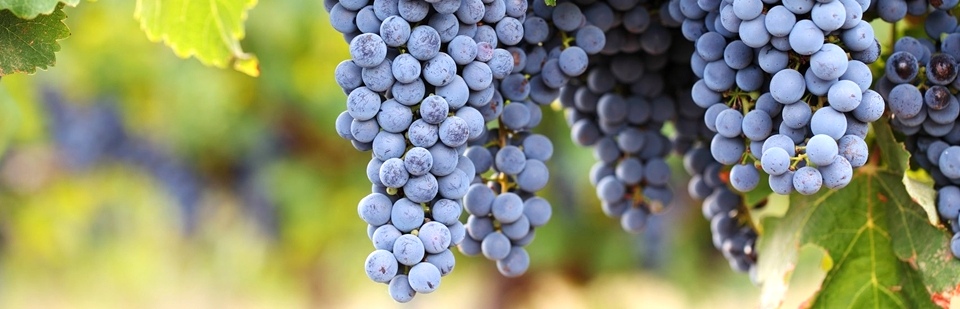
Cabernet Sauvignon (“ka-BEAR-nay SOH-veen-yon”) is perhaps the best known classic red grape of all and it initially built its reputation in the French wineries of Bordeaux. Like Chardonnay, it has since travelled the globe. In contrast to the Bordeaux style, Australia’s warm climate allows wine-makers to emphasize the rich and fruity qualities of the grape and play down the tannins and acidity. The first smell of this dark crimson wine will bring you inviting aromas of dark berries. Blackcurrant and blackberry spring to mind. The secondary aromas bring a hint of fresh mint, spice and peppery herbs. There’s a woody touch of oak too. The wine has intense, dark fruit flavours and it’s luxuriously rich, soft and smooth on the palate. It’s a medium-to-full bodied wine which is supple and satisfyingly dry with very gentle acidity a soft tannin finish. This is clearly a wine made for popular taste with all the hallmarks of a typical Australian Cabernet.
This wine would make a good choice for rich beef dishes. Australian Cabernets pair best with hearty dishes like grilled red meats, such as ribeye steak or lamb chops, as well as rich vegetarian options like mushroom risotto. The bold flavors of the wine would complement the richness of these foods beautifully. It would go well with a hearty lentil stew or the sharp biting taste of mature Cheddar cheese. The salty quality of blue cheese would enhance the wine’s fruity flavours. Perhaps it could make a good partner for roast eagle hawk, if you can manage to find one. And talking of which, eagle hawks are evidently the only birds that have a reputation for viciously attacking hang-gliders. If you happen to participate in this activity, steer well clear of those soaring eagle hawks or you might return to earth more rapidly than anticipated.