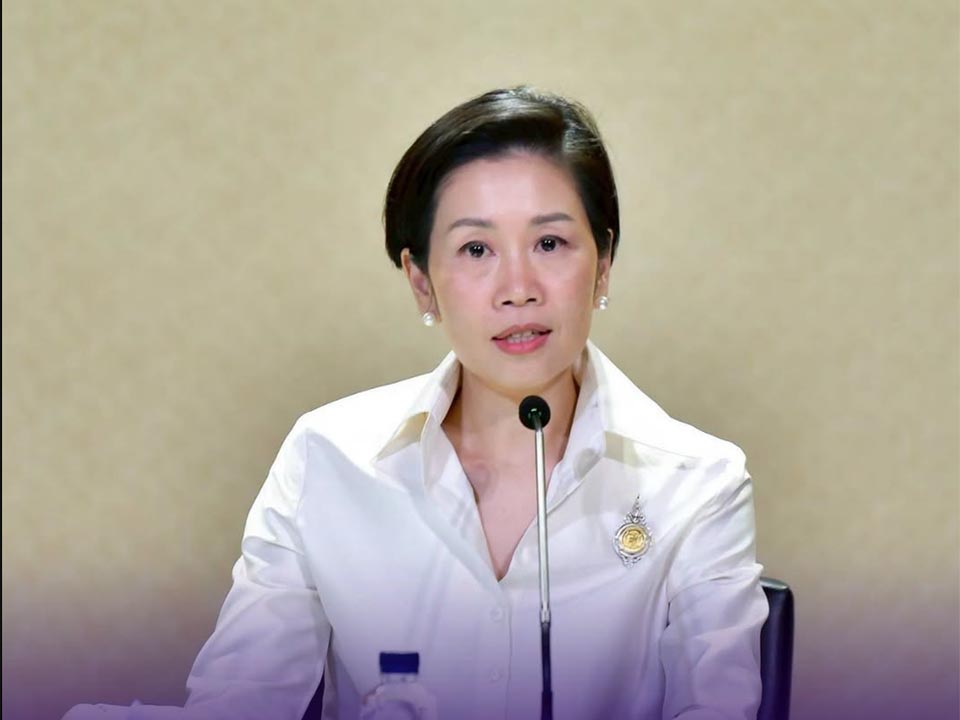
BANGKOK, Thailand – The government is implementing public sector reforms in workforce management, administrative processes, and technology, and is proposing an early-retirement program for ordinary civil servants. Government Spokesperson Rachada Dhnadirek stated that Deputy Prime Minister Pakorn Nilprapunt discussed the proposal with the Office of the Civil Service Commission, Budget Bureau, and Comptroller General’s Department. The agencies agreed on key principles. Detailed criteria will be developed for review by the Government Workforce Target and Policy Committee before submission to the Cabinet.
The proposal applies to two groups: civil servants aged 50 or older or with at least 25 years of service, and those aged 40 to 49 with at least 10 years of service. Both groups would receive the same maximum lump-sum benefit, capped at 12 times under the prescribed formula. Participants would not be allowed to return as civil servants or permanent government employees. The spokesperson said the government also plans to control staffing levels and manage vacancies resulting from retirements to prevent unnecessary personnel costs.
Government agencies are reviewing approval, licensing, and public service procedures ahead of the Facilitation of Licensing Consideration and Public Services Act B.E. 2569, which will takes effect on January 4, 2027. The law aims to eliminate unnecessary steps, reduce repeated document requests, ease administrative burdens, and limit opportunities for corruption. Digital technology will replace repetitive tasks, connect government databases, and reduce requests for information already held by state agencies. External specialists may support digital transformation without increasing permanent staff. The spokesperson emphasized that these reforms aim to create a smaller, more agile, and more transparent government that delivers faster and simpler public services. (NNT)