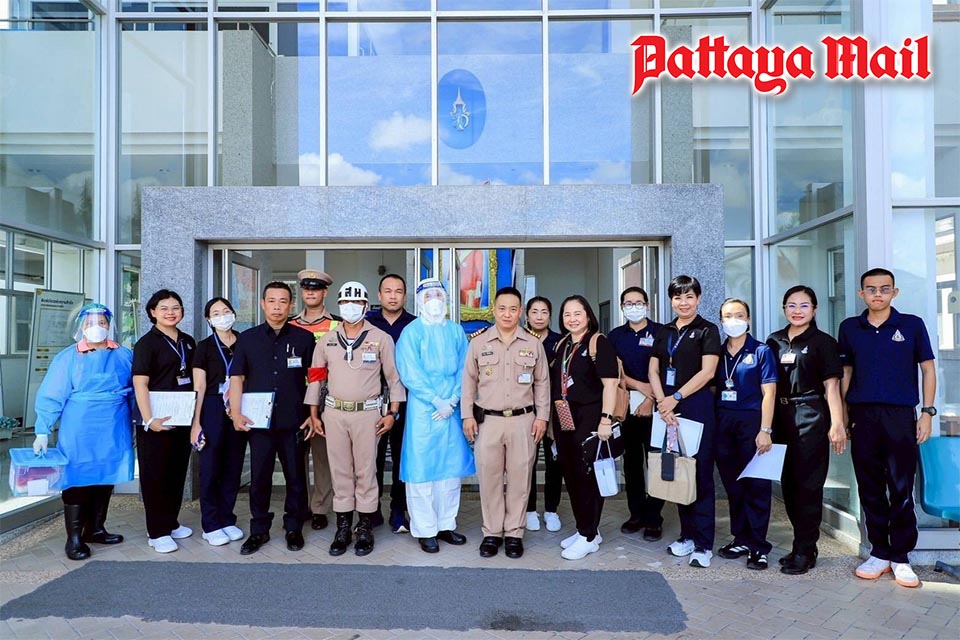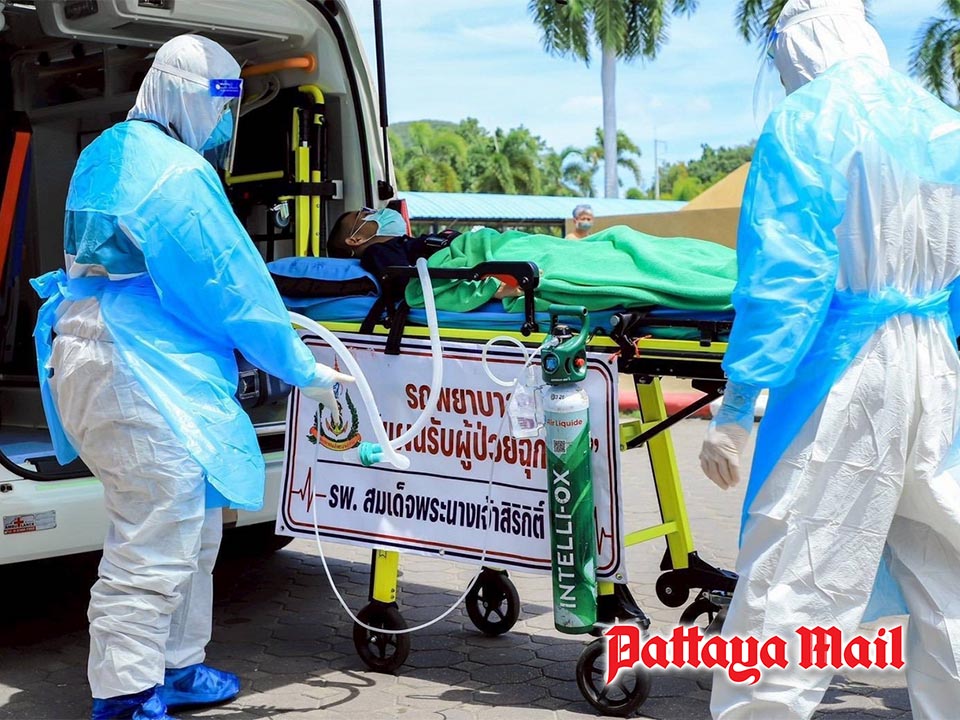
SATTAHIP, Thailand – Queen Sirikit Naval Hospital and U-Tapao Rayong–Pattaya International Airport joined forces on May 26-27 to conduct a full-scale emergency response exercise designed to prepare for potential outbreaks of emerging infectious diseases, including Middle East Respiratory Syndrome (MERS).
The annual emergency preparedness exercise aimed to strengthen public health response capabilities and improve coordination among agencies responsible for handling health emergencies at one of Thailand’s key international gateways. The drill was conducted in two phases.
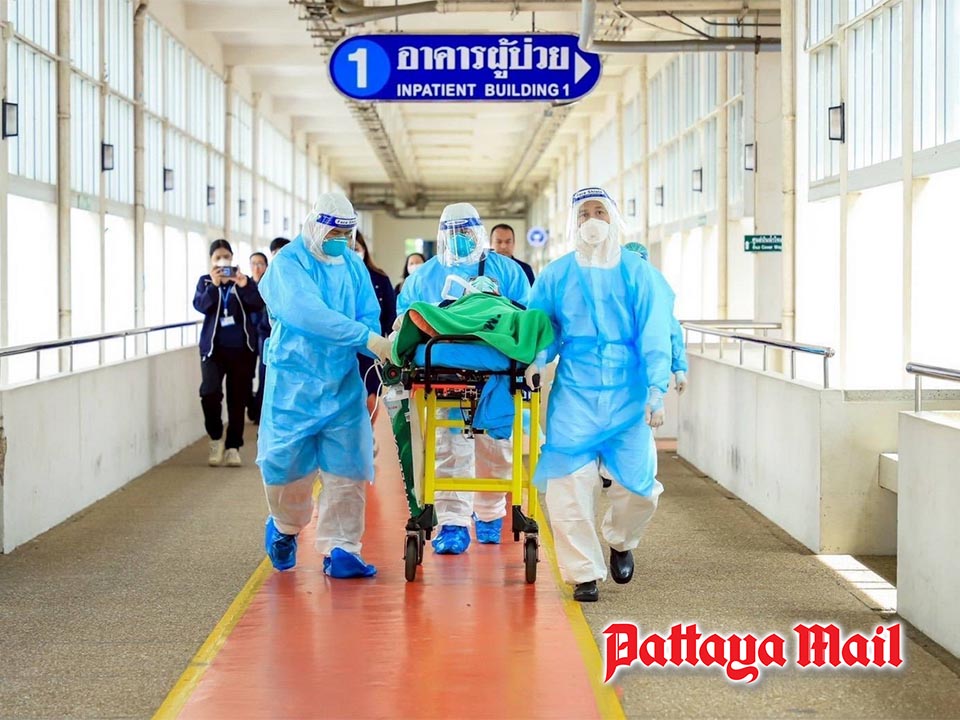
On May 26, representatives from the hospital participated in a tabletop exercise at U-Tapao Rayong–Pattaya International Airport, reviewing procedures, response protocols, and inter-agency coordination measures through a simulated emergency scenario. The following day, a full-scale field exercise was carried out, simulating the transfer of a suspected MERS patient from the airport to Queen Sirikit Naval Hospital for treatment. The exercise tested the readiness of medical personnel, patient screening systems, transportation procedures, and infection prevention and control measures designed to prevent disease transmission.
Following the completion of the exercise, hospital representatives joined a debriefing session with participating agencies at the airport to evaluate performance, discuss lessons learned, and identify areas for improvement. Officials said the exercise forms part of ongoing efforts to enhance preparedness for emerging infectious diseases and ensure that emergency response plans remain effective, coordinated, and adaptable to evolving public health threats.