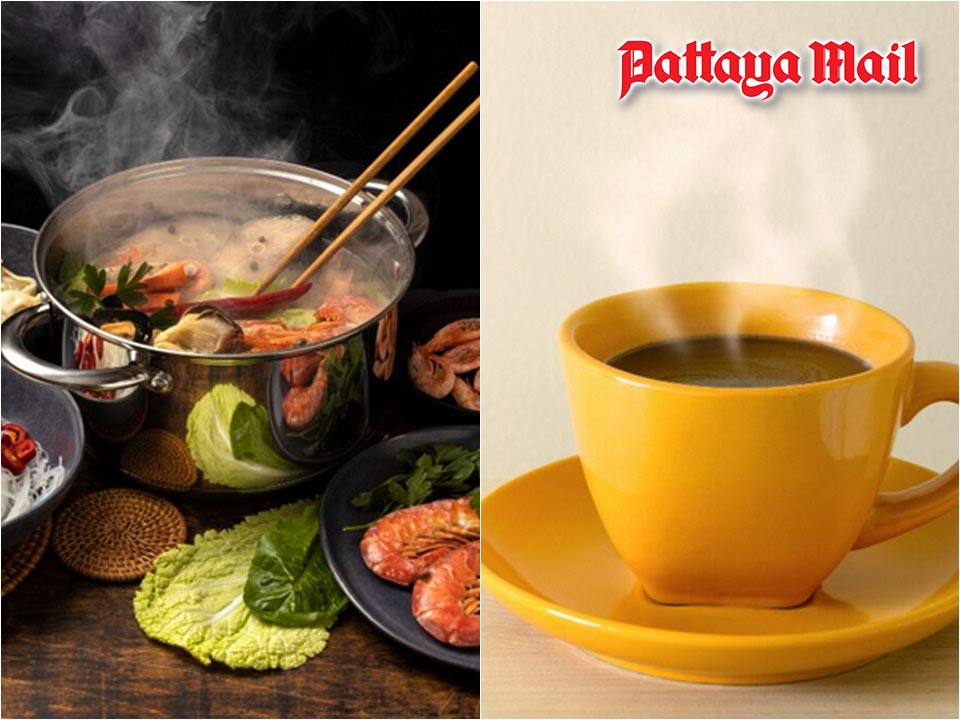
PATTAYA, Thailand – Health experts are warning that drinking very hot beverages may pose a greater risk to the esophagus than many people realize, with studies suggesting a possible link to increased cancer risk. Dr. Li Sihsien, a family medicine physician, said that consuming drinks at excessively high temperatures over long periods can damage the lining of the esophagus. The International Agency for Research on Cancer (IARC) has classified beverages above 65°C as “possibly carcinogenic to humans” (Group 2A).
He explained that the main risk factor is not the type of drink itself, but its temperature, which can directly injure delicate esophageal tissue. The esophagus lacks a thick protective mucus layer like the stomach, meaning liquids hotter than 65°C can repeatedly damage cells, triggering chronic inflammation. Over time, this cycle of injury and repair may increase the risk of genetic mutations that can lead to cancer. Dr. Li compared the process to long-term damage caused by smoking, where repeated cellular injury increases disease risk.
A large-scale study published in the British Journal of Cancer (2025), based on UK Biobank data, found that people who regularly consumed very hot drinks had around a 2.5 times higher risk of developing esophageal squamous cell carcinoma compared to those who did not. The risk increased further with higher daily consumption. The findings are particularly relevant in cultures where hot soups, tea, and freshly brewed beverages are commonly consumed at temperatures of 80–90°C, well above the identified risk threshold. Dr. Li noted that many patients do not associate hot drink consumption with esophageal health because the damage occurs gradually, unlike spicy food, which causes immediate discomfort. He also warned that early-stage esophageal cancer often has no clear symptoms, and many patients only seek medical help once swallowing difficulties appear, by which time the disease is often already advanced.
To reduce risk, doctors recommend simple preventive habits, including:
- Allowing hot food or drinks to cool for 3–5 minutes before consumption
- Testing temperature with the lips before drinking
- Avoiding direct intake of boiling hot soup from the pot; let it cool in smaller portions
- Being cautious with straws for hot drinks, as they may deliver high-temperature liquid deeper into the throat without warning
Experts say small changes in daily habits can significantly reduce long-term risk without the need for medication or supplements.