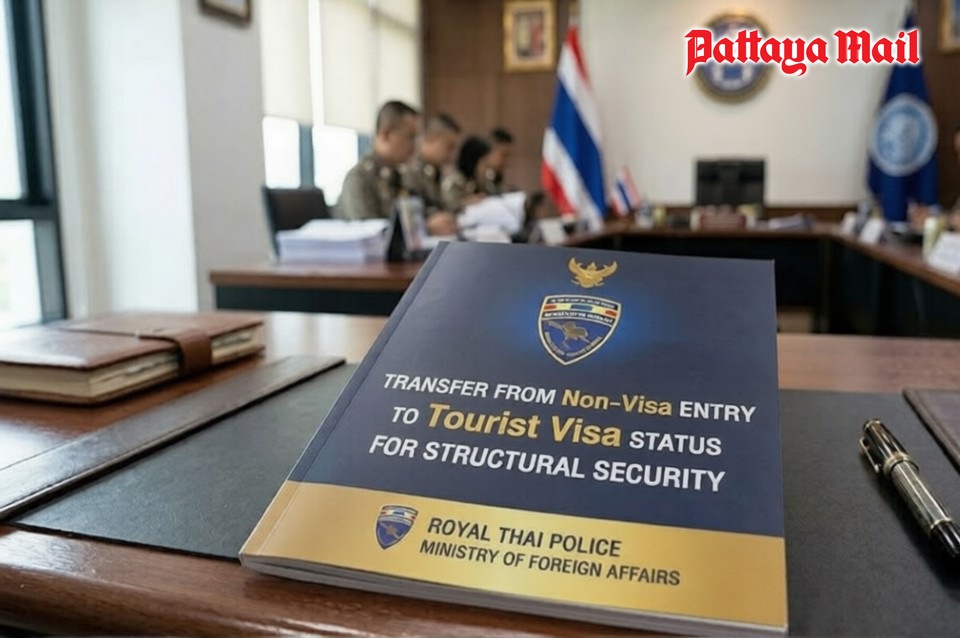
PATTAYA, Thailand – The implementation of visa-free entry policies has historically served as a short term marketing tool utilized by governments to stimulate economic figures and boost tourism statistics. However within the contemporary global landscape which is increasingly complicated by transnational crime and emerging security threats this open border approach creates significant vulnerabilities within the national border control framework. Consequently a major shift in public policy to phase out non-visa privileges and replace them with a mandatory tourist visa system has become an urgent legal necessity to upgrade the nation security infrastructure to international standards.
The fundamental flaw embedded within the non-visa framework is that it permits individuals to cross national borders without any administrative mechanism forcing them to declare their exact purpose of stay prior to arrival. This total absence of primary data deprives security agencies of the essential tools required to conduct effective risk assessments and screen incoming passengers. As a direct result the current system has inadvertently turned into a primary conduit for high risk individuals to disguise themselves as ordinary holidaymakers and slip into the country undetected.
Enforcing a mandatory tourist visa system directly addresses this vulnerability by introducing strict legal transparency from the very beginning. Foreign nationals seeking extended stays such as a 90 day period will be legally required to provide verifiable empirical evidence establishing their genuine travel objectives before they depart. This standard documentation includes comprehensive itineraries confirmed long term accommodation bookings verified golf course reservations or pre-arranged premium recreation packages. This administrative transition operates as a definitive filter separating high potential travelers who respect local laws from individuals with unverified motives.
Pre-screening infrastructure as a preventative legal shield
From an operational perspective relying entirely on domestic law enforcement agencies to track identify and apprehend visa violators after they have already integrated into local communities is an inefficient and costly approach to state resource management. The introduction of a mandatory tourist visa creates a critical pre-screening infrastructure at embassies and consulates worldwide shifting the national security strategy from reactive enforcement to proactive prevention.
This preventative mechanism provides immigration authorities with the necessary window of time to perform background checks analyze financial solvency and evaluate potential security risks before a traveler ever arrives at a local port of entry. Executing this screening process at the point of origin substantially decreases the internal security burden. It systematically curtails the incidence of overstay violations deters the influx of illegal foreign labor and directly disrupts the creation of proxy or nominee corporate structures designed to circumvent domestic property and business regulations.
Consolidating sovereign integrity and high value tourism
The transition to a formal visa application process presents no genuine barrier to premium international travellers. High net worth individuals and affluent tourists who truly intend to visit for recreational purposes are entirely accustomed to stringent international travel standards. These visitors routinely possess both the financial means and the necessary documentation to comply with legitimate legal prerequisites without issue.
Furthermore a sovereign state that maintains strict orderly and highly secure borders naturally enhances its credibility and standing on the global stage. Upholding rigorous safety standards and a commitment to the rule of law serves as a powerful incentive for quality global citizens and foreign investors who prioritize institutional stability and personal safety over unmonitored border accessibility. Replacing non-visa entry with a clearly defined tourist visa policy is a crucial administrative evolution that safeguards national sovereignty while ensuring the long term sustainability of premium tourism.