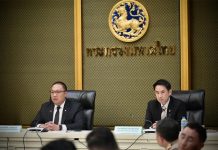
PATTAYA, Thailand – A stark warning about Thailand’s public healthcare system is gaining attention after prominent voices highlighted what they describe as a looming financial breakdown across state-run hospitals.
The concerns were amplified by comments from Senator Dr. Veerapun Suvannamai, who described the situation as entering a “real burn” phase, signaling deep structural stress within the system. His remarks were widely shared by Thai investor and commentator Siwat Chaoworawinyu through his social media platform.
According to the data cited, more than half of Thailand’s public hospitals are now facing financial deficits. Of the 902 hospitals under the Ministry of Public Health, 495 — or approximately 55% — are reportedly operating in the red. This marks a sharp increase from around 18% in 2023, with an estimated annual shortfall of 15 billion baht.
The implications are significant. Hospitals struggling with funding shortages may face difficulties maintaining essential services, including purchasing medicines, repairing medical equipment, and compensating staff for overtime work.
Another pressure point lies in recent changes to outpatient reimbursement policies in Bangkok. A network of medical schools has raised concerns over reduced payments, with some hospitals reportedly losing between 12% and 21% of their revenue. The move has sparked tensions within the system, particularly among large urban hospitals that serve as referral centers for patients nationwide.
At the same time, rural healthcare faces a potential staffing crisis. Financial support for special hardship allowances — a key incentive for doctors and nurses working in remote areas — has reportedly been cut significantly. Hospitals are now expected to shoulder the majority of these costs, despite already strained budgets.
This has led to delays in payments to medical personnel in some areas, raising fears of a potential exodus of healthcare workers to better-paying private sector roles in urban centers.
The situation is especially concerning for the estimated 47 million people covered under Thailand’s universal healthcare scheme, often referred to as the “gold card” system. While there are no indications that the program will be abolished, analysts warn that continued financial instability could erode service quality.
Patients may face longer waiting times, medicine shortages, and limited access to functioning medical equipment. In some cases, individuals could be forced to seek treatment in private hospitals, significantly increasing out-of-pocket expenses.
Healthcare experts emphasize that a stable public health system is a cornerstone of national security, warning that without urgent reforms, the strain could deepen — placing both public health and household finances at risk.