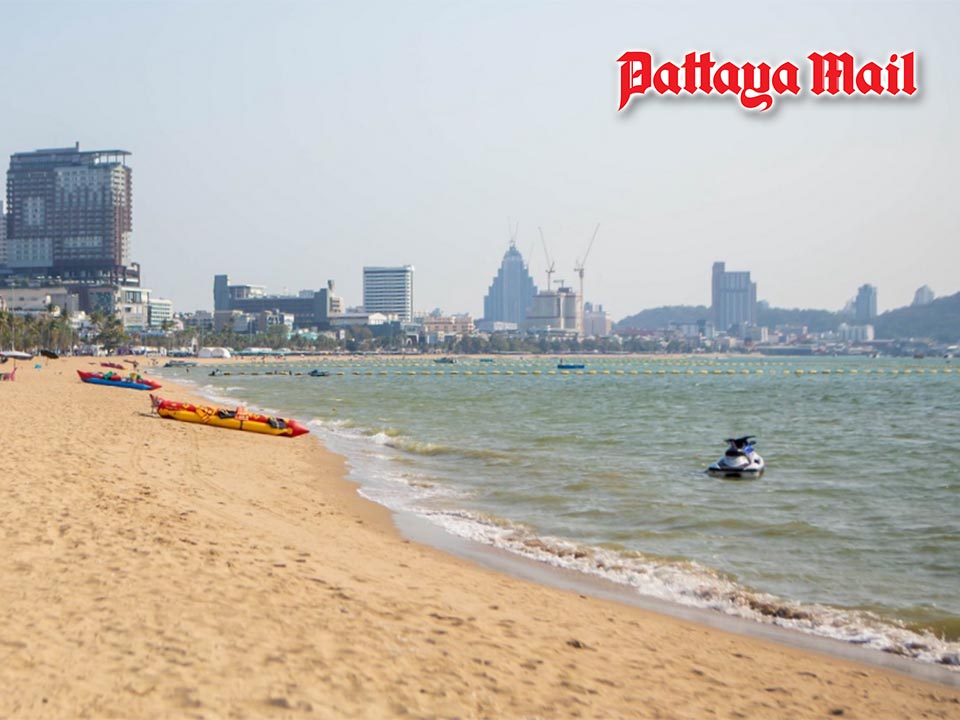
PATTAYA, Thailand – Along Pattaya Beach, the sudden slowdown of jet ski activity—blamed on rising fuel costs—has exposed more than just economic pressure. It has reignited a long-simmering sentiment among foreign tourists: distrust.
Online reactions to the downturn have been strikingly unsympathetic. Instead of concern, many responses reflect frustration, even satisfaction. Words like “scam,” “mafia,” and “rip-off” appear repeatedly. For an industry already under pressure, this is more than bad PR—it’s a warning sign.
For years, jet ski rentals in Pattaya have carried a controversial reputation. Reports—whether isolated or widespread—of disputes over alleged damage, inflated repair fees, and aggressive tactics have circulated widely across travel forums and word-of-mouth networks. In tourism, perception often matters more than official regulation. And once trust is lost, it is difficult to regain.

This creates a dangerous cycle.
As costs rise—fuel, maintenance, licensing—operators may feel pressure to maximize income per customer. Prices increase. Enforcement of damage claims becomes stricter. Interactions grow tense. But from the tourist’s perspective, this reinforces the very image that keeps others away.
The result? Fewer customers, more reliance on high-margin transactions, and a deepening reputation problem.
In that sense, the industry may indeed be “shooting itself in the foot.”
Pattaya’s tourism economy depends heavily on repeat visitors and recommendations. A single bad experience doesn’t just lose one customer—it echoes across online reviews, social media, and travel communities. When potential visitors read warnings before they even arrive, entire segments of activity become off-limits.
And in today’s environment, where travelers are more cautious with spending, that matters more than ever.
There is also a broader impact. Jet skis are not just a standalone business—they are part of the overall beach experience. When one element becomes associated with risk or distrust, it affects the perception of the destination as a whole. Clean beaches, vibrant nightlife, and improved infrastructure can all be overshadowed by a few persistent negative narratives.
The irony is that this moment—when rising fuel costs are forcing a pause—could have been an opportunity. A reset. A chance to rebuild standards, enforce transparency, and restore confidence.
Instead, the public reaction suggests the damage may already run deep.
Of course, not every operator engages in questionable practices. Many run legitimate businesses and rely on tourism for their livelihood. But in a reputation-driven industry, it only takes a minority to define the majority.
So the real question is no longer whether fuel prices are hurting the jet ski business.
It’s whether the business, over time, has hurt itself more.
If Pattaya wants to protect its tourism future, rebuilding trust may prove far more important than lowering costs. Because once visitors believe an experience is not worth the risk, no discount—fuel-related or otherwise—will bring them back.