PATTAYA, Thailand – The government is preparing to introduce energy-saving measures that could see fuel stations nationwide close overnight, but only after the Songkran holiday period to avoid disrupting travel.
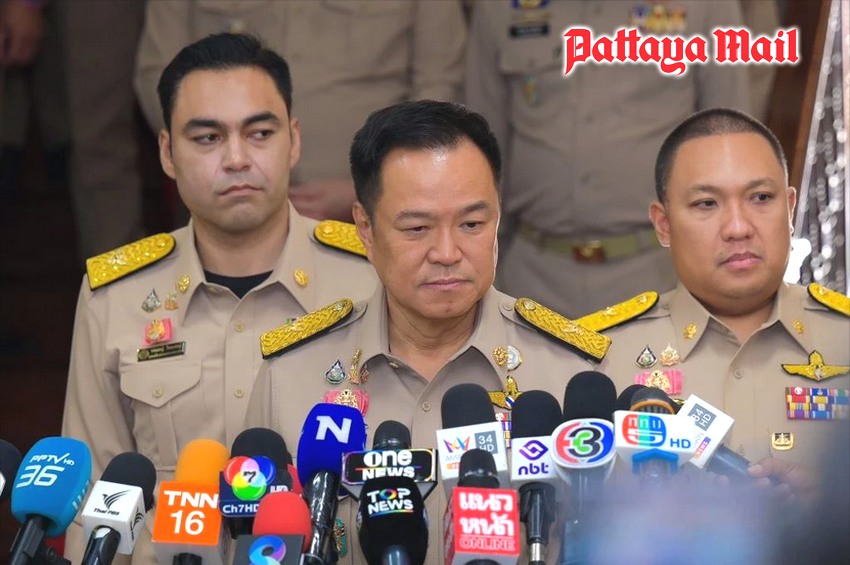
Prime Minister and Interior Minister Anutin Charnvirakul said on April 7 that authorities are moving forward with plans to regulate fuel usage amid ongoing instability in the Middle East, which has raised concerns over supply and prices.
Speaking at the Interior Ministry, Anutin said a new Center for Administration and Monitoring of the Middle East Situation will be established, replacing the previous body whose term expired with the former government. The center is expected to coordinate measures aimed at ensuring Thailand maintains sufficient fuel reserves.
One of the key proposals under consideration is limiting the operating hours of fuel stations to between 10:00 p.m. and 5:00 a.m. However, Anutin stressed that any such measure would only take effect after April 20, allowing the public to travel freely during the Songkran holiday.
“We want people to return home and celebrate with as much convenience as possible,” he said, noting that the government will delay implementation until normal travel patterns resume.
The minister added that officials are exploring all possible mechanisms to control fuel consumption and improve efficiency, with details of enforcement to be determined through existing legal channels rather than requiring an emergency decree.
At the same time, the government is closely monitoring refinery margins and has instructed the Energy Ministry to report regularly, as part of broader efforts to manage rising costs and maintain stability in the domestic energy market.
The proposed restrictions reflect a balancing act between safeguarding national fuel supplies and minimizing disruption to daily life, with clearer measures expected once the new coordination body is formally in place.