PATTAYA, Thailand – Pattaya has long promoted itself as an international city, welcoming visitors from across Europe, Asia, and beyond. Its beaches are busy, its nightlife is global, and its streets echo with dozens of languages. But beyond the surface, a simple question remains: does the city fully communicate with the people it invites in?
For many visitors, navigating Pattaya can still feel uneven. Key information—whether historical context, safety warnings, or public guidance—is often limited, inconsistent, or available only in Thai. In a city that depends so heavily on international tourism, this gap is increasingly noticeable.

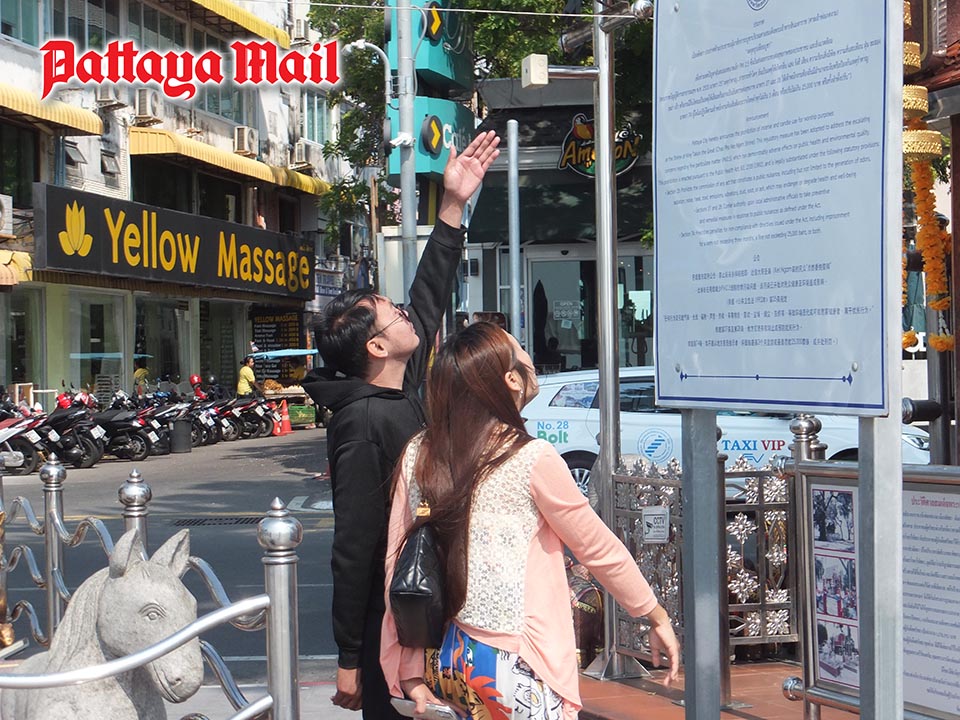
Public spaces tell the story clearly. Monuments, shrines, and cultural landmarks exist, but many lack accessible, multilingual explanations that allow visitors to truly understand their significance. Without context, these places risk becoming just photo stops rather than meaningful cultural experiences.
The same challenge extends to everyday infrastructure. Traffic signs, pedestrian warnings, and public notices are not always designed with international users in mind. In a city where many visitors rent motorbikes, cross busy roads, or explore independently, clearer multilingual signage is not just a convenience—it is a matter of safety.
Pattaya is not alone in facing this issue, but expectations are higher here. Competing destinations across Asia have invested heavily in multilingual systems, digital guides, and well-curated public information to enhance both accessibility and experience. As tourism evolves, visitors increasingly expect to understand where they are—not just see it.
There are signs of progress. Some areas have introduced English-language signage and QR-based information systems, but coverage remains inconsistent. A more coordinated effort—integrating multiple major languages across public infrastructure—would help align Pattaya’s image with its reality.
At its core, being an international city is not only about attracting people from around the world. It is about making them feel informed, safe, and included once they arrive.
Pattaya already has the audience. The next step is making sure the city speaks clearly to them.