CHIANG MAI, Thailand – The Department of Royal Rainmaking and Agricultural Aviation has deployed its fleet to address hazardous PM2.5 dust in Northern Thailand, focusing on Chiang Mai province, where air quality reaches hazardous levels.
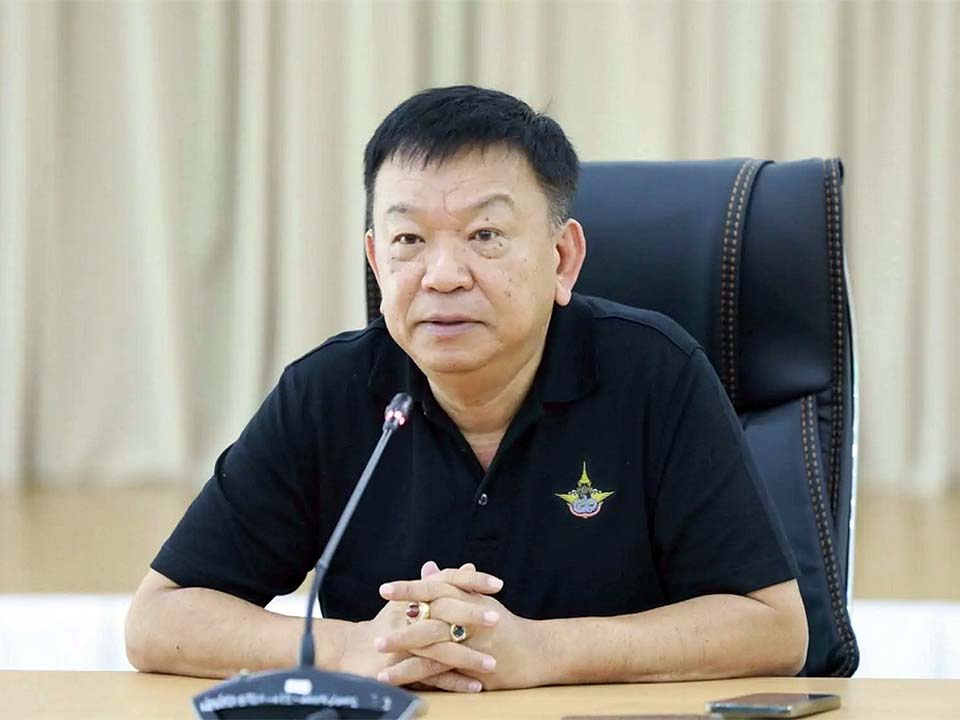
Director-General Rachen Sillaparaya led a strategic planning session to address the “purple level” air quality index, which signals severe health risks. The department has set up a specialized weather modification unit in Chiang Mai and deployed five aircraft: two L410S, two CASAs, and one CN, to implement relief measures.

The department’s strategy includes dry-ice seeding and cold-water spraying to remove particulate matter and support cloud formation. Operations will follow a phased timeline based on meteorological forecasts. From April 1 to 3, 2026, teams will focus on cloud formation to absorb airborne dust. From April 4 to 6, as humidity increases, the department will prioritize traditional rainmaking to induce precipitation. Additional cloud seeding is scheduled for April 6-7 and April 11-12.
The team will also use cold-water spraying to break through thermal inversion layers. This method is most effective when the inversion layer is below 3,000 feet, allowing pollutants to be pushed away.
The Director-General stated that operations will continue until conditions improve. The department’s main goal is to restore visibility of the Wat Phra That Doi Suthep and ensure safer air quality for Chiang Mai and nearby provinces. (NNT)