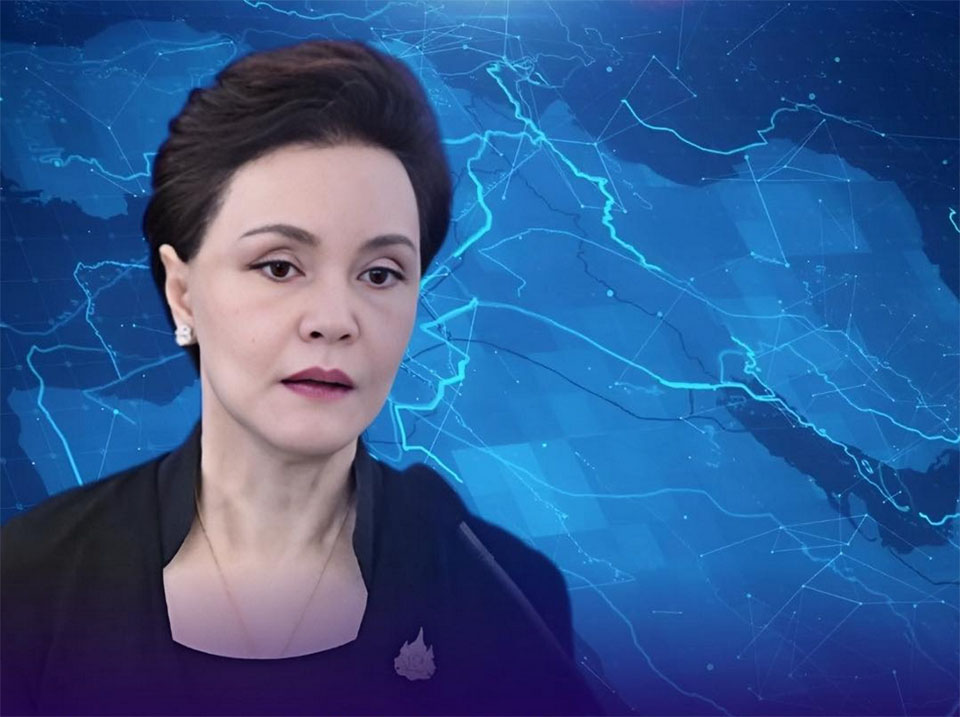
BANGKOK, Thailand – Commerce Minister Suphajee Suthumpun outlined the government’s strategic framework for commodity management to address global energy volatility affecting consumer goods at the “Meet the Press” forum on March 28, 2026.
The Minister announced that the Ministry of Commerce is taking action in three key areas to stabilize prices and ensure essential supplies remain available.

Under the Prices of Goods and Services Act, the Ministry has conducted an emergency review of its controlled goods list. Six essential consumer categories have been added to the existing 59 regulated items. Producers of these goods must now report inventory volumes and quality standards for closer monitoring.
Regarding energy costs, the Ministry is inviting industry stakeholders to review production cost structures. This initiative will assess refinery margins and operating costs, and coordinate with the Ministry of Energy to ensure fair public pricing.
To address price gouging, the Ministry and provincial commerce officers are inspecting over 4,000 retail locations. The task force is processing about 400 consumer complaints related to overpricing and improper labeling.
The government, together with major manufacturers and retailers, will launch a campaign on April 1 to provide immediate relief to the public. This initiative will offer discounts of 25% to 50% on more than 1,000 essential items. Additionally, the “Blue Flag” (Thong Fah) scheme will expand to 500 communities, using mobile units to serve remote areas throughout April and May.
The Ministry is also collaborating with the Ministry of Foreign Affairs to facilitate the transit of stranded raw materials, especially chemical fertilizers and petrochemicals. Long-term strategies include diversifying Thai rice exports to Africa and Latin America to reduce the impact of regional instability in the Middle East.