PATTAYA, Thailand – As conflict escalates between Israel and Iran, the global ripple effects are becoming impossible to ignore. Airspace closures, suspended flights, oil price volatility, and the reported shutdown of the Strait of Hormuz — a critical artery for the world’s energy supply — have injected fresh uncertainty into international markets.
Across Europe and the Gulf, airlines are rerouting. Shipping firms are reassessing risk. Governments are activating emergency response centers.
Yet here in Pattaya, the weekend tells a very different story.
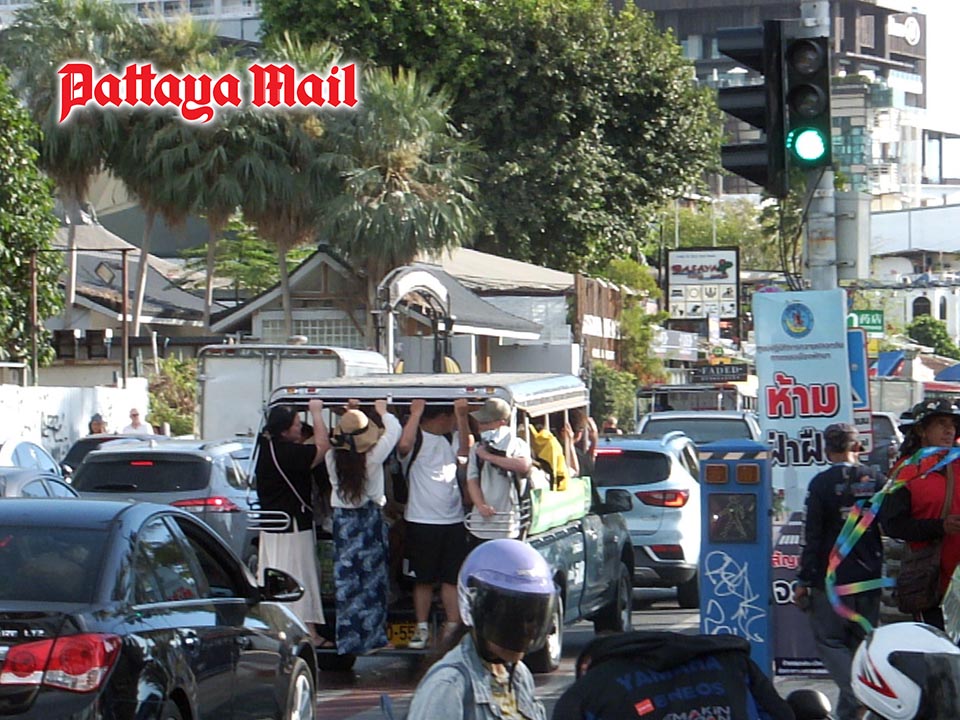
Beach Road is packed. Hotels are busy. Restaurants are full. And thousands of visitors have descended on the shoreline for the annual kite festival, filling the skies with color while baht buses crawl slowly through heavy traffic.
The contrast is striking.
Thailand is not isolated from global events. Rising energy prices and disrupted shipping lanes will eventually affect everyone. But geographically and politically, the Kingdom remains far from the flashpoints.
Airports such as Suvarnabhumi Airport and U-Tapao International Airport continue operating. Authorities are monitoring developments. Ministries are on standby. Oil reserves have been publicly reassured.
In short — the lights are still on.
For long-term visitors, retirees, and tourists, that stability matters. In uncertain times, people don’t just look for adventure — they look for reassurance.
History shows that during global instability, travelers often pivot toward destinations that offer safety, affordability, and infrastructure. Thailand — and Pattaya in particular — ticks those boxes.
The city offers international-standard hospitals, reliable transport links, diverse accommodation, and a tourism ecosystem that knows how to adapt quickly. While geopolitical tensions dominate headlines abroad, life here continues at full pace.
That doesn’t mean Thailand is immune. If oil prices surge due to prolonged disruption in the Middle East, airfares and operating costs will rise. Tourism markets tied closely to the region may fluctuate. The global economy is interconnected.
But perception also plays a powerful role.
Right now, Pattaya feels steady.
This weekend’s kite festival paints the clearest picture. Families stroll along the beach. Vendors do brisk business. Traffic slows to a crawl as baht buses overflow with passengers eager to join the festivities.
For visitors arriving from more anxious parts of the world, the atmosphere offers something invaluable — normalcy.
And normalcy, during periods of global tension, becomes a form of luxury.
Not Perfect — But Peaceful
Is Pattaya the “perfect” escape? That may be too strong a claim. No destination is completely shielded from global economic tremors.
But compared with cities directly facing airspace shutdowns, missile alerts, and energy supply fears, Pattaya currently occupies a uniquely calm corner of the global map.
While tankers pause at Hormuz and diplomats scramble behind closed doors, Pattaya’s waves continue to roll in — and the kites continue to rise above Beach Road.
Sometimes, that contrast says everything.