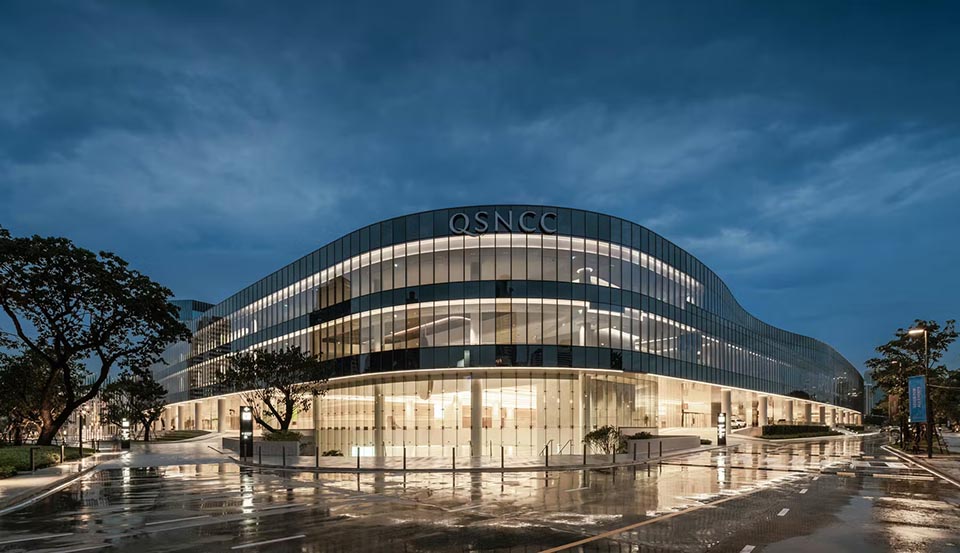
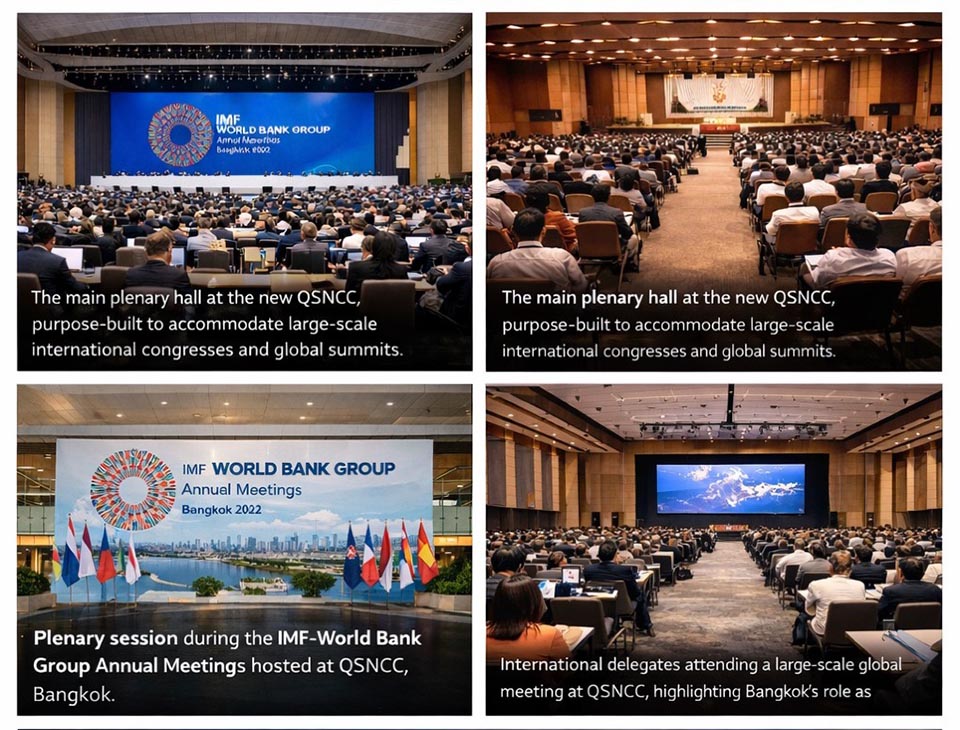
BANGKOK, Thailand – As Thailand moves deeper into 2026, the year’s business events calendar is already well advanced. Major global MICE gatherings require long lead times, and preparations are firmly underway for the International Monetary Fund and World Bank Group Annual Meetings, scheduled for 12-18 October 2026 at the Queen Sirikit National Convention Center (QSNCC) in Bangkok.
This return is more than symbolic. The original QSNCC was designed and built in just 18 months to host the same meetings in 1991, marking Thailand’s emergence on the global meetings stage. I was personally involved in itinerary planning that year, including arranging the first-ever helicopter transfer from Don Muang Airport to the Shangri-La Hotel. At the time, typical road transfers could take up to four hours. Military approval for helicopter movements over the capital came only at the eleventh hour—literally at midnight the day before. We conducted a test run accompanied by respected travel journalist Don Ross of TTR Weekly. It was a defining moment for Thailand’s international standing.
More than three decades later, the meetings will take place at the new, second-generation QSNCC—larger, technologically advanced and purpose-built for today’s complex global events. The evolution of the venue mirrors Thailand’s own MICE journey: from emerging host nation to mature, globally competitive destination.
In strategic terms, MICE is one of Thailand’s most important tourism pillars. Business event visitors consistently spend more per trip, utilise higher-category accommodation, travel year-round and support airlines, transport providers, catering firms and professional services. A single major congress can sustain thousands of jobs while reinforcing Thailand’s credibility as a confident and capable host.
Thailand’s competitive strength lies in its range. The country can host small executive board meetings, mid-sized regional conferences and large-scale global conventions within one national framework—something few Asian destinations can achieve as effectively.
Mega meetings and national venues
The IMF and World Bank meetings underline international confidence in Thailand’s venue capability, security standards and operational expertise. Core infrastructure includes:
- Queen Sirikit National Convention Center
- IMPACT Muang Thong Thani
- Bangkok International Trade and Exhibition Centre
- Chiang Mai International Exhibition and Convention Centre
These facilities enable Thailand to host medical and scientific congresses of 8,000–15,000 delegates, trade exhibitions attracting 20,000–40,000 visitors, regional association meetings of 3,000–8,000 participants and government or multilateral gatherings of up to 5,000 attendees. At peak capacity, Bangkok’s exhibition complexes can accommodate 30,000 delegates or more.
The power of secondary cities
Thailand’s true advantage extends beyond Bangkok. Secondary destinations allow capacity management and more tailored event environments.
Bangkok remains the primary hub, supported by extensive international air links, a vast hotel inventory and experienced professional organisers. It is best suited to large conventions and exhibitions requiring scale and connectivity.
Beyond the capital, Pattaya—home to the Pattaya Exhibition and Convention Hall (PEACH), capable of hosting over 12,000 delegates—and Hua Hin provide resort-style discretion ideal for leadership meetings and high-value incentives.
Chiang Mai offers cultural depth and performs particularly well for academic and sustainability-focused events, supported by the Chiang Mai International Exhibition and Convention Centre. Phuket complements Bangkok with resort-based meetings, incentive appeal and strong international air access.
Bangkok’s leading MICE hotels
For integrated hotel-based solutions, leading options include:
- Bangkok Marriott Marquis Queen’s Park
- Grand Hyatt Erawan Bangkok
- Centara Grand at CentralWorld
- Shangri-La Bangkok
- The Athenee Hotel, a Luxury Collection Hotel, Bangkok
- Royal Orchid Sheraton Riverside Hotel Bangkok
- InterContinental Bangkok
- Siam Kempinski Hotel Bangkok
- Millennium Hilton Bangkok
Outlook
Thailand’s MICE future is not about volume alone. It is about sustaining quality, cultivating repeat business and leveraging its flexibility intelligently. The country can host one of Asia’s largest conventions one week and a focused executive retreat the next, all while delivering genuine hospitality. As 2026 unfolds, that balance of scale and soul remains Thailand’s defining competitive advantage.
 About the Author
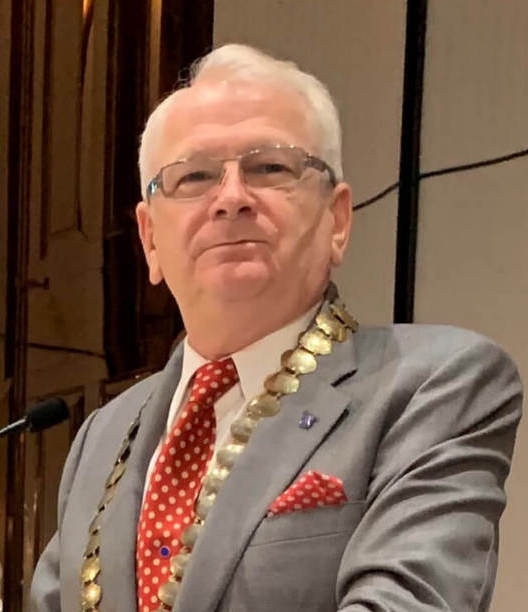
Andrew J Wood is a British-born travel writer, former hotelier and tourism consultant who has lived in Thailand since 1991. With more than four decades of experience in international hospitality and tourism, he brings long-standing insight into destination development, aviation, sustainability and MICE strategy across the Asia-Pacific region. A former Director of Skål International and past President of Skål International Asia, Thailand and Bangkok, he writes extensively on tourism trends and destination strategy for international publications.