PATTAYA, Thailand – At first glance, Thailand’s property and lifestyle market seems to be sending mixed signals and nowhere is this contradiction more visible than between Bangkok and Pattaya.
Bangkok luxury lives on, but at a cost
In Bangkok, the luxury condominium market continues to show resilience. High-end projects in prime areas particularly those marketed around wellness living, medical proximity, and elderly care remain attractive to affluent Thais, long-stay expats, and foreign retirees planning ahead. Developers have become more strategic. Instead of mass-market units, the focus has shifted to Smaller, higher-value developments, Projects tied to hospitals, wellness centers, and assisted living concepts, Premium services rather than square meters. However, this growth comes with a price. Living costs and rental rates in popular districts have quietly but steadily climbed, tracking the post-pandemic recovery of tourism and short term stays. For many middle-income expats, Bangkok is beginning to feel less like a bargain city and more like a regional capital with regional prices.
The economic cloud behind the campaigns
All this optimism exists alongside a less comfortable macroeconomic reality. Despite high-profile campaigns such as Amazing Thailand Ambassador, fronted by global icon Lisa Lalisa Manobal, economic growth expectations remain modest hovering around 1.4% this year. Among expats, this has sparked quiet concern. The question being asked in coffee shops and online forums isn’t whether Thailand can market itself well it clearly can but whether branding alone can offset structural economic fatigue, rising household debt, and uneven income recovery.
Pattaya: Tourism buzz, property silence
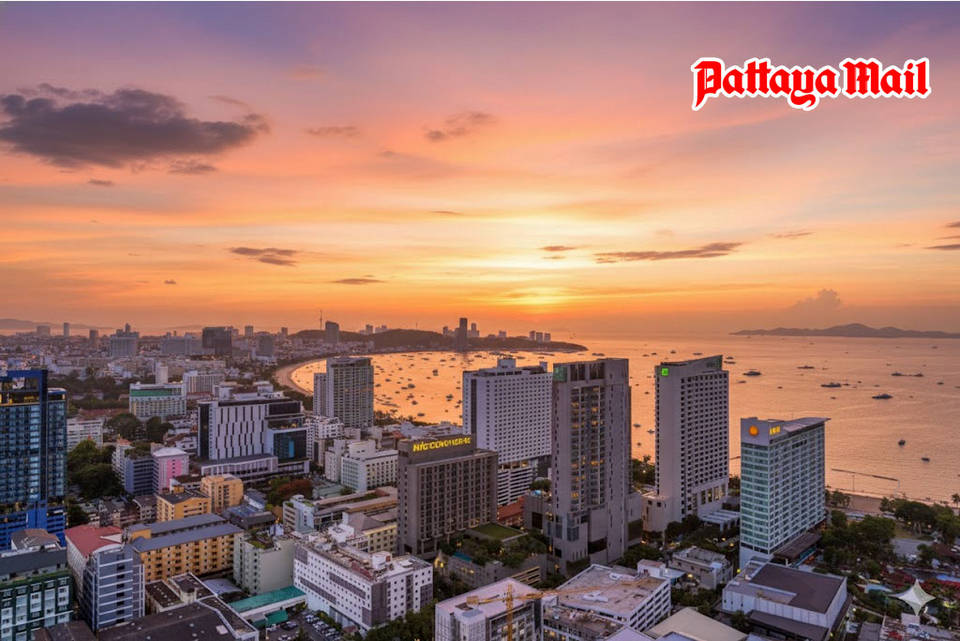
Nowhere is this imbalance more obvious than in Pattaya. On the surface, parts of the city are buzzing again. Buakhao, LK Metro, and surrounding nightlife zones show clear signs of revival. Restaurants are busy, bars are full, and tourist foot traffic has returned particularly from short stay visitors. But step just one block away, and a different picture emerges. Condominium vacancies remain stubbornly high, especially in older projects. Commercial buildings and shophouses sit empty, many with “For Rent” signs that haven’t moved in months sometimes years. Retail activity outside tourist clusters remains sluggish, with limited local purchasing power. This highlights a hard truth: tourism recovery is highly localized. What works for nightlife streets does not automatically translate into broader economic health.
The expat reality
For expats living in Pattaya, the contrast is hard to ignore. While visitors come and go, long-term residents are dealing with Flat or declining rental yields, Fewer viable small business opportunities, A city economy increasingly dependent on short-term consumption. In short, Pattaya is busy but not necessarily prosperous.
Two markets, one message
Bangkok’s luxury real estate boom and Pattaya’s empty shopfronts are not contradictions they are symptoms of the same trend growth without depth. Thailand’s property market is not collapsing, but it is fragmenting. High end niches thrive, tourist hotspots pulse with life, yet large parts of the everyday economy struggle to keep pace.
For expats, the takeaway is simple but sobering Choose location carefully, don’t confuse crowds with stability, and remember that a full restaurant doesn’t mean a healthy city.