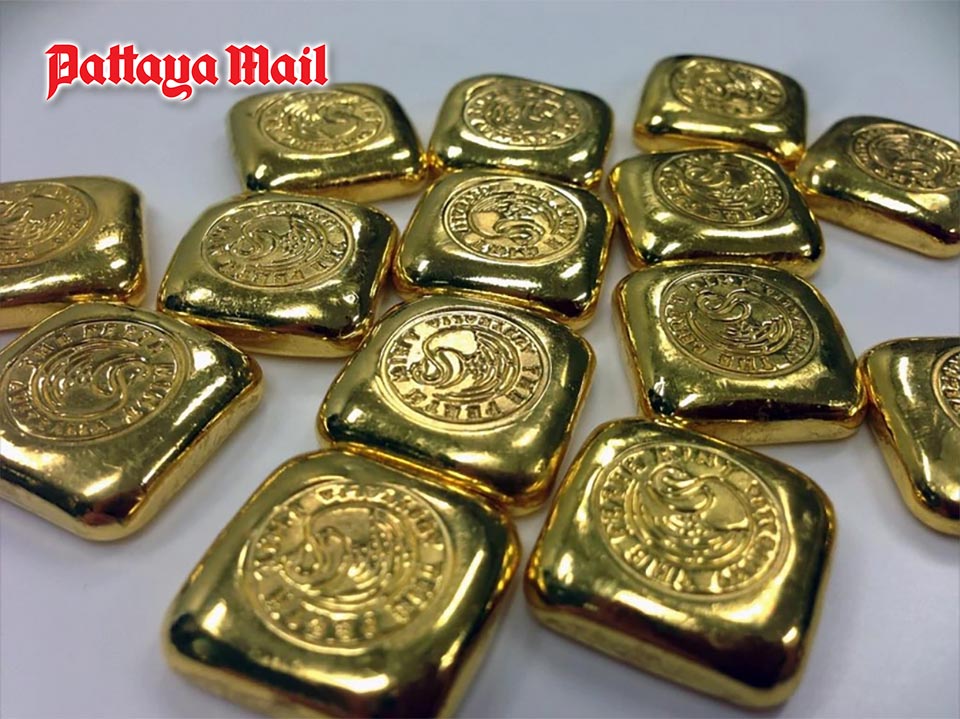
PATTAYA, Thailand – In 2025, gold reached record highs, surpassing $4,300 per troy ounce, marking one of the fastest price increases in recent history. Unlike typical commodities, gold is not consumed when used; it is accumulated, traded, and preserved. Annual new gold production grows by only around 1%, and despite rising demand, new mines take years to develop and production costs are high. As a result, gold’s price is largely driven by investor demand, making it a store of value rather than a consumable good, reflecting global confidence in the financial system.
Major players influencing gold prices include central banks, gold-backed ETFs, and speculative investors. These buyers determine price trends, with increased purchases often pushing prices higher. For instance, following the Russia-Ukraine conflict and the U.S. freeze of Russia’s foreign reserves in 2022, many central banks began buying gold to diversify away from the dollar, increasing gold reserves from 11% before the pandemic to around 20% in 2025. Between Q3 2024 and Q3 2025, investors increased allocations to physical gold and ETFs amid economic uncertainty, supporting rising prices.
Meanwhile, consumer-driven demand from households in China and India, often tied to festivals or perceived value, provides price support during downturns but does not set global trends.
Gold also acts as a hedge against inflation, particularly during periods of unusually high inflation or declining confidence in central banks, such as in the 1970s. Interest rates further affect demand: in low-rate environments or during central bank rate cuts, investors often shift funds from low-yield bonds into gold, which does not pay interest.
Currency movements remain critical. The weakening U.S. dollar in 2025 was a key factor supporting higher gold prices. However, analysts expect that dollar trends in 2026 may not favor gold as strongly. Nonetheless, holding gold continues to be valuable for portfolio diversification and economic risk protection. Potential U.S. central bank rate cuts next year could signal a weaker economy and stir concerns over inflation, a scenario in which gold has historically performed well. Geopolitical risks also tend to boost gold, prompting central banks worldwide to increase reserves.
For investors seeking convenience, gold can also be accessed through mutual funds, such as those offered by TISCO Asset Management. Investing through a fund allows easy buying and selling, eliminates the need for physical storage, and enables gold to be part of a diversified investment portfolio.
While gold has provided long-term returns of around 7–8% per year over the past 20 years and remains particularly attractive during times of political uncertainty or market turbulence, it is still subject to short-term volatility. Investors should carefully monitor market drivers and diversify their holdings, even though gold is considered a safe-haven asset.