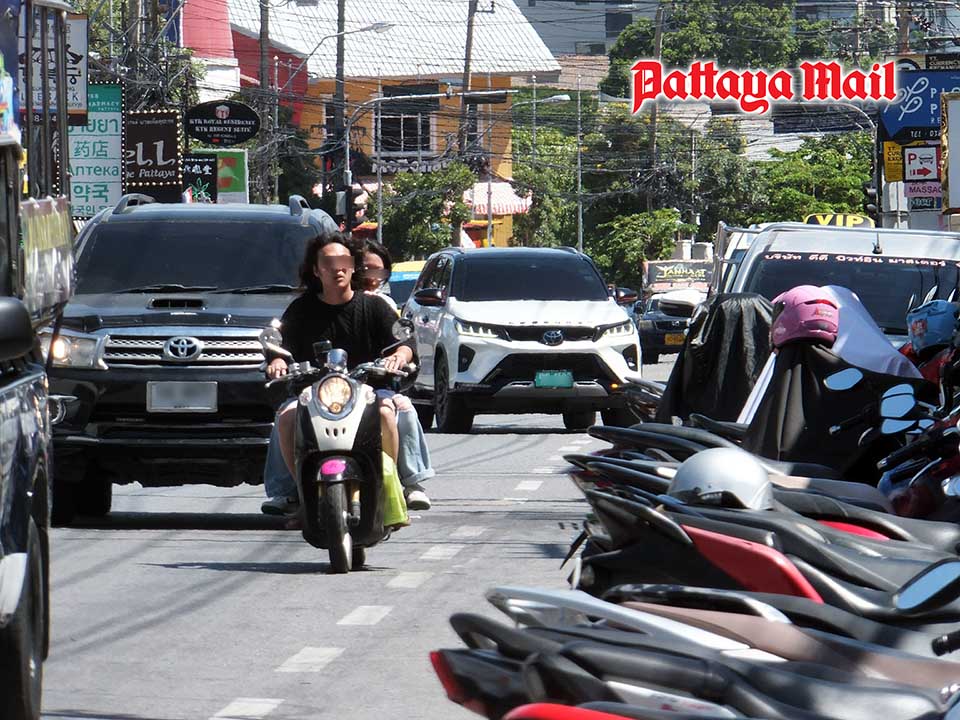
PATTAYA, Thailand – Pattaya, Thailand’s world-famous tourist hub, is known for its beaches, nightlife, and attractions — but one glaring concern overshadows the fun: road safety. For many long-term visitors and locals, traffic law enforcement here often feels inconsistent, giving the impression that rules are more like suggestions than actual laws.
Motorcycles zip through red lights, scooters ride on sidewalks, and cars double-park with near-zero consequence — a daily spectacle for anyone navigating the city. Tourists unfamiliar with local traffic norms, or emboldened by lax enforcement, sometimes exacerbate the chaos. It’s common to see multiple riders packed three or even four on a single motorbike, often without helmets, adding to the danger. The result is a risky mix of vehicles, pedestrians, and scooters, making accidents and near-misses almost routine.
Several factors contribute to this lawlessness. The sheer volume of vehicles and visitors makes constant monitoring nearly impossible. Enforcement is sporadic and selective, influenced by location, time of day, or even whether foreigners are involved. Corruption and informal settlements near roads further complicate consistent policing. While traffic cameras, stricter DUI checks, and anti-parking campaigns have been introduced, enforcement still feels reactive rather than preventive.
For visitors, this inconsistency is confusing and dangerous. Many remain constantly alert to erratic drivers and unclear traffic patterns, while others grow frustrated with seemingly arbitrary fines or sudden crackdowns. Locals also voice concerns, noting that while violations happen openly, authorities rarely enforce rules consistently enough to change behavior.
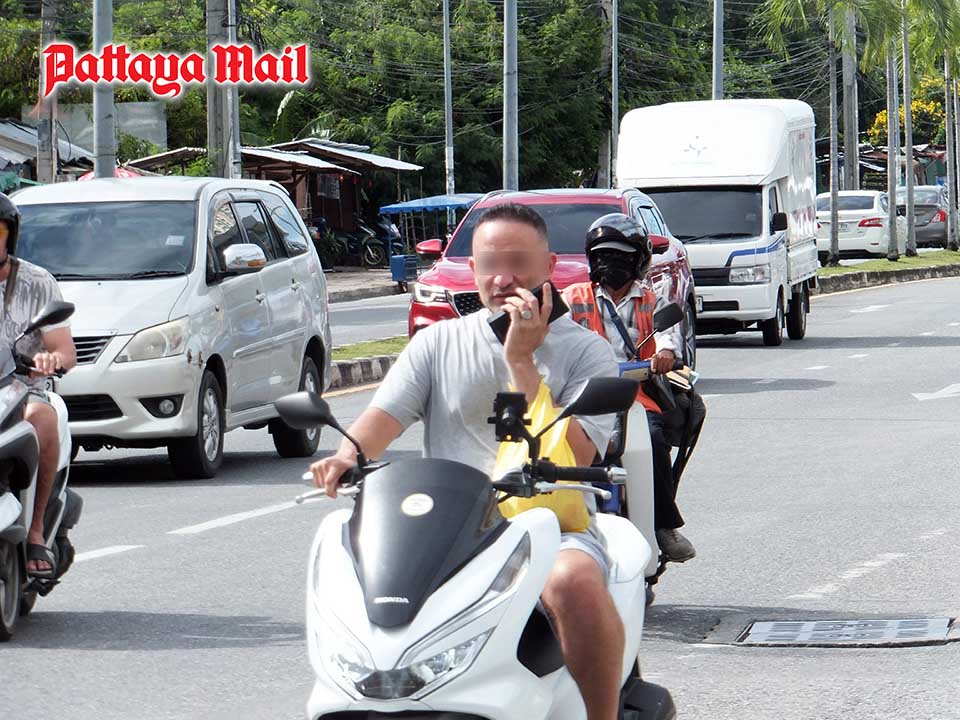
However, this does not mean that tourists are free to ignore safety entirely. Riding in biker packs, overloading motorcycles with three or more people, going without helmets, racing on public highways, revving motorcycles in residential streets, running red lights, using phones while riding, or — worst of all — drunk driving are all illegal and extremely dangerous. Reckless behavior endangers both the rider and everyone else on the road, and serious penalties can still apply.
Ultimately, Pattaya’s road law “looseness” reflects the city’s struggle to balance tourism, local commerce, and public safety. While authorities are aware of the challenges and have made some improvements, effective enforcement remains a work in progress. For visitors, the thrill of the city comes with risk — and a sobering reminder that in Pattaya, traffic rules are often optional, but ignoring them comes at a high price.