Roll over, Mateus!
At one time, Portuguese wine meant Mateus Rosê, a fizzy sweet drink that became
hugely popular in the 1970’s. It appeared in characteristic flask-like bottles,
many of which ended up as table lamps, considered chic by some people but
distinctly naff by others. Nevertheless, Mateus Ros้ is still being churned out.
Today, Portugal has a great deal to offer the serious
wine-lover. They have been making table wines there since ancient times and the
country has its own repertoire of grape varieties too, exotically named things
that might raise an eyebrow if you haven’t heard of them before. They include
grapes like the Alfrocheiro Preto, the Bastardo, the Castelใo Frances, the
Encruzado, the Fernใo Pires, the Mourisco and the Esgana Cใo, but there are
dozens more. The last one by the way, means “Dog Strangler” but whether this is
a description of the fiercely acidic wine it produces, I don’t know.
Both the wines this week come from the distinguished
Portuguese family company of Alian็a, which was founded in 1927 and now has wine
estates all over the country. Today, over half their wines are exported.
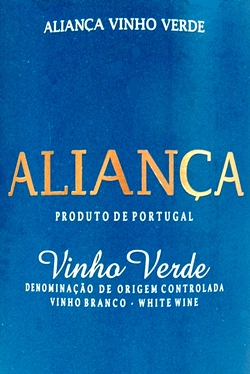
Aliança Vinho Verde (white), Portugal. (Wine Connection Bt.
499)
Vinho Verde comes from the Minho, up in the North-West of
Portugal - a land of fertile hills and one of the most agriculturally productive
areas in the country. Many growers train their vines high off the ground, up
trees, fences, and even on telephone poles. This prevents the grapes from
becoming too hot and creates additional space to cultivate crops below the
vines. The name means “green wine” and refers more to the fact that it has a
youthful freshness, rather than the colour. These wines are to be consumed
young, so most producers don’t even bother putting the year on the label. This
example from Alian็a is absolutely text-book and one of the best you are likely
to find. It’s made from another two indigenous Portuguese grapes, the Pedema and
the Azal.
In the glass, it is a slightly sparkling pale gold. Hints of
green too, since you asked. There’s a refreshing aroma of apples, lime and
floral overtones. The mouth-feel is unmistakable: very spritzy, crisp, plenty of
green fruit and a lively tang of acidity. It’s very dry with just the slightest
hint of lemony sweetness on the palate. It’s light-bodied too; typically very
low in alcohol (9%) and with a longish finish with apples up-front. This wine
has been described in the press as, “one of the best Vinho Verdes ever”. If you
want to try something different you can’t go wrong with this. Although the label
gives food suggestions (salad, seafood, and chicken) to my mind, this would make
the perfect apéritif. Serve it as cold as you dare.
Casal Mendes Rosé (pink), Portugal. (Wine Connection, Bt.
399)
This wine is a real winner. It comes in an elegant tapered
liqueur-style bottle and is made from a Portuguese grape variety known as the
Baga, which is barely known elsewhere. The wine is a vibrant light pink-orange
and has a refreshing fruity aroma of strawberries and raspberries, with a faint
aroma of herbs and grass in the background. It is slightly dry and very
light-bodied, with delicate fruit on the taste and just the faintest hint of
sweetness. “Off-dry” would perhaps be the best description. There’s a good dash
of refreshing acidity too, giving it a zesty lively mouth-feel.
This wine has a lively spritzy quality (but not as fizzy as
champagne) and there’s an attractive peppery finish with a dash of strawberry
too. This wine also comes from the Alianêa Company and is the third largest rosé
brand in Portugal. It’s a superbly made wine, yet at only about 10% alcohol, a
delightful easy-drinker. Served really cold, this would make an exciting and
interesting apéritif.
Wine-writer Oz Clarke recently wrote of this Casal Mendes
wine, “What a ros้! This is the perfect accompaniment to a hot summer’s day.”
That just about says it.