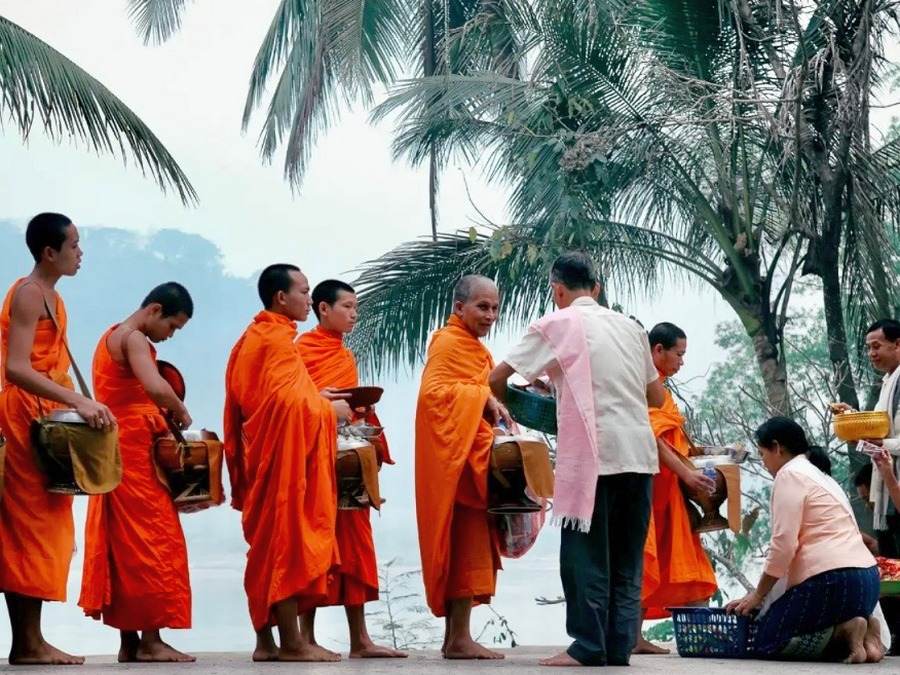
BANGKOK, Thailand – Tourism has entered an age of restless reinvention. Across the global industry, from UN Tourism to the World Travel & Tourism Council (WTTC) and international networks such as Skål International, a consistent message is emerging: travellers are seeking experiences that feel authentic, human, and rooted, rather than packaged or predictable.
Thailand based Italian tourism thinker Roberto Causin expresses this shift with sharp clarity. He argues that the traditional formula of flights, hotels, and buffet breakfasts no longer satisfies modern expectations. Today’s travellers are looking for journeys that shake off the routine, open the senses, and connect them with real people and real places.
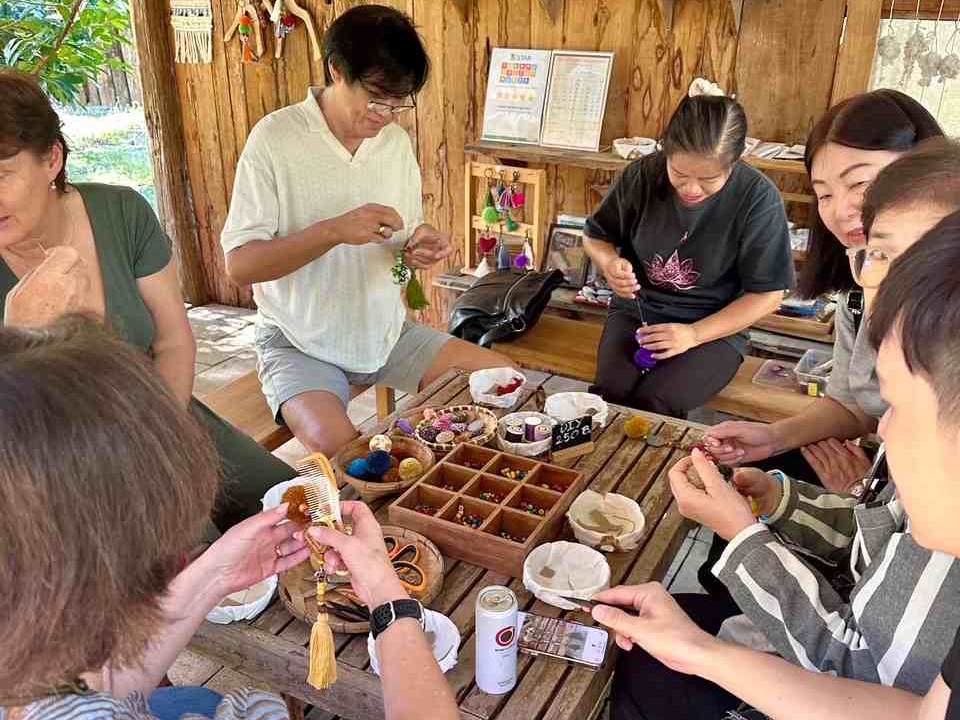
More than a decade ago, the Mekong Tourism Forum (MTF) was already championing this movement, pioneering programmes that placed local communities at the heart of tourism’s value chain. Farm-to-table dining, meet-the-maker experiences, artisan engagement, and village immersion all grew from these early innovations. They helped lay the foundation for what is now widely known as regenerative tourism, an approach where tourism strengthens destinations instead of merely using them.
Thailand’s long-running OTOP (One Tambon One Product) programme is a strong example. By empowering villages to produce unique cultural goods, from textiles and pottery to herbal remedies and snacks, OTOP transforms heritage into income and dignity. It remains a benchmark of successful community-based tourism in Asia.
Proximity Tourism: The 10,000-Kilometre Realisation
One of Asia’s most compelling attributes is the global rise of proximity tourism. Travellers are beginning to realise they do not need to fly 10,000 kilometres to feel amazed. They are rediscovering nearby beauty, driven by environmental awareness, value-for-money thinking, and a growing interest in roots tourism, as people explore ancestral places and personal identity.
Moving Beyond the Instagram Moment
The world may still chase the perfect sunset shot, but travellers increasingly want substance behind the image. They want reassurance that the oceans will remain blue, that cultural heritage is respected, and that communities genuinely benefit from tourism rather than being overrun by it. In short, they want authenticity with integrity.
AI Is Impressive — But It Is Not Hospitality
Technology now shapes every stage of the travel journey. Yet, as Roberto notes, AI without people becomes merely a GPS without a journey. “Without genuine smiles and sincere hospitality, AI is only a tool. It cannot deliver the experience itself.” Travel remains fundamentally a human-to-human exchange.

Destinations Must Think in Synergy
Modern travellers are seeking destinations that feel coherent, meaningful, and whole. That requires synergy, blending cuisine, culture, community products, landscape, and hospitality into experiences that tell a genuine story, not just a slogan.
Tourism is ultimately a living ecosystem of people, landscapes, flavours, stories, and small miracles. And today’s voyagers want to be guided to places where locals live quietly, beyond the billboard and beyond the algorithm.
About the author
 Andrew J. Wood is a British-born travel writer, former hotelier, and long-time Thailand resident. A past President of Skål International Asia and Skål International Thailand, he writes extensively on tourism trends, sustainability, and community-based travel across the Asia-Pacific region.