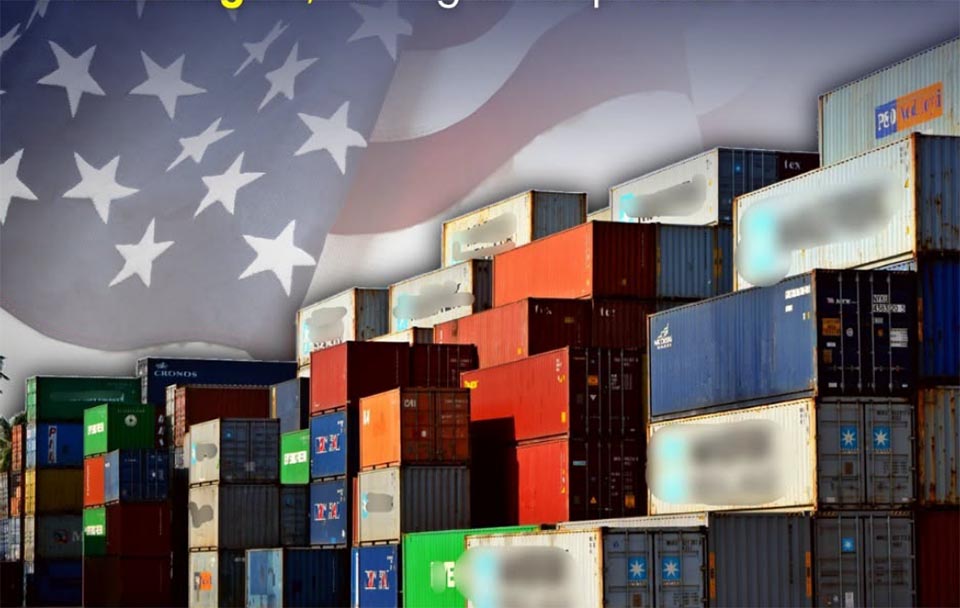
BANGKOK, Thailand – Thailand’s Vice Minister of Commerce, Kirida Bhaopichitr, has provided an update on the country’s tariff negotiations with the United States, following the imposition of a 12.5% tariff on Thailand under Section 301. She said negotiations have been ongoing, with Thailand facing two allegations: first, that it lacks measures to prevent imports of goods produced using forced labor; and second, that it subsidizes private industries, resulting in production overcapacity.
Regarding the first issue, Thailand has signed a trade agreement with the U.S., and the matter has already been resolved. As a result, the U.S. has granted tariff exemptions for more than 2,000 Thai products, representing approximately 60% of Thailand’s exports to the U.S.
On the issue of excess production capacity, Thailand has submitted evidence refuting the claim. Studies conducted with relevant agencies found that capacity in the key industries of concern to the U.S.—including automobile and parts, rubber and pharmaceutical products, as well as machinery and equipment—ranges from 75% to 95%, indicating that these industries do not have the excess production capacity alleged by the U.S. Thailand is preparing for the next round of negotiations later this month. The Government plans to propose expanded economic cooperation with the U.S., including encouraging greater investment by Thai companies in the U.S. and increasing imports of U.S. products, such as energy, aircraft, soymeal, and corn, with the goal of keeping the tariff rate below 19%. The proposal will also include enhanced cooperation in the defense sector. (PRD)