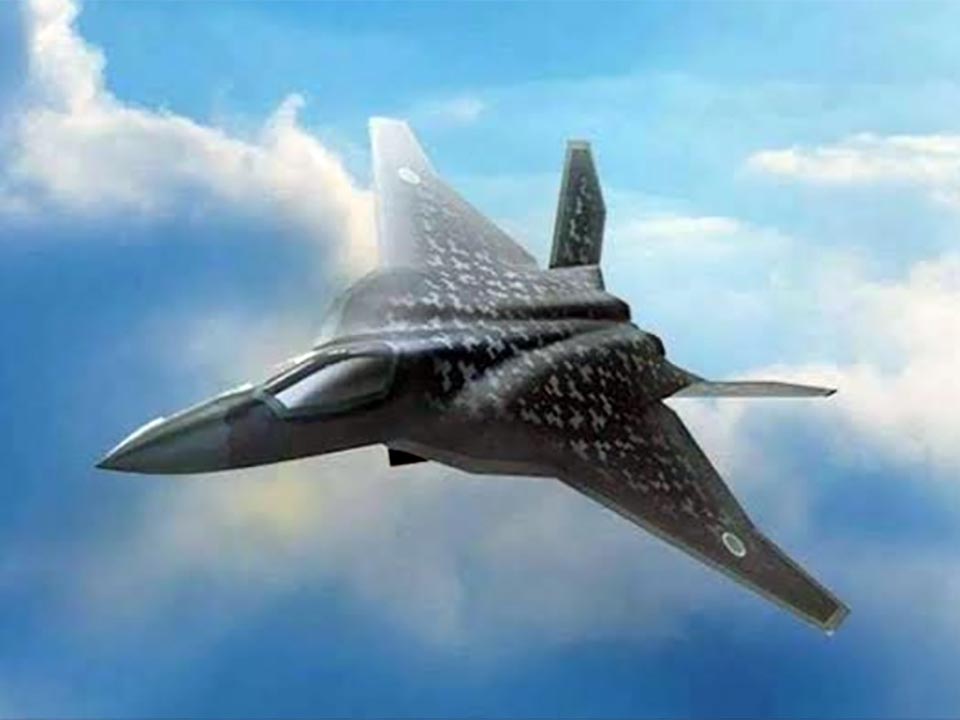
TOKYO, Japan – Mitsubishi Electric plans to build three new factories to produce electronic systems for the next-generation fighter aircraft being developed jointly by Japan, Britain and Italy, marking a major step toward bringing the Global Combat Air Program from development into production. The Japanese electronics company is a key participant in the Global Combat Air Program (GCAP), which aims to deliver a next-generation fighter for service around 2035. Mitsubishi Electric’s plan to build dedicated production facilities signals that the multinational project is moving beyond government agreements and preliminary design work toward industrial production.
Mitsubishi Electric Chief Financial Officer Kenichiro Fujimoto said the program could begin generating revenue for the company around fiscal 2029 or 2030, possibly earlier. The company is expected to receive payments for supplying personnel and producing prototypes before full-scale production begins.
GCAP is led by Mitsubishi Heavy Industries in Japan, BAE Systems in Britain and Leonardo in Italy. Canada is participating as an observer, while Germany and Saudi Arabia have been considered as potential additional partners. Program officials have stressed that any new participants must not delay the target of putting the aircraft into service in 2035. The planned factories form part of Mitsubishi Electric’s wider push to expand its defense business. The company is seeking to increase annual defense-related sales to around ¥690 billion by March, with exports expected to account for a significant share of future growth. Potential international business includes GCAP work, equipment for Japan’s Mogami-class frigates being supplied to Australia, and components for the AIM-120 AMRAAM air-to-air missile produced by US defense company RTX.
Japan has also eased longstanding restrictions on defense exports, part of a broader effort to strengthen its domestic defense industry as conflicts in Ukraine and the Middle East place pressure on Western weapons production and stockpiles. Fujimoto said shortages in US missile inventories following the conflict with Iran, along with weapons supplied to Ukraine, could create opportunities for Japanese defense manufacturers as Washington seeks to replenish its stocks. He declined to provide specific details but said the broader opportunity for Japanese companies was possible.
The GCAP fighter, known as the Mitsubishi F-X and informally referred to as the F-3, is being developed for Japan’s Air Self-Defense Force (JASDF) and is expected to be a sixth-generation stealth aircraft and Japan’s first domestically developed stealth fighter. It will eventually replace Japan’s Mitsubishi F-2 fleet from the mid-2030s. The program represents one of Japan’s most ambitious defense-industrial projects and is intended to combine the capabilities and industrial strengths of Japan, Britain and Italy.