On the face of it, Thailand and Frankenstein haven’t much in common. Thai culture has a lot to say about the supernatural and ghosts, but they the zombie or vampire types who can survive any death or cremation. Among the most famous are Phi Krasue, the floating head with guts, and Phi Pob, the flesh-eating possessor. The male monster created by Victor Frankenstein is admittedly made out of human body parts, but he can die like the rest of us.
Even so Netflix has been bombarded by Thai subscribers wanting to know when they can watch the latest 2025 movie by Oscar-winning director Guillerino del Toro (maybe from November). The Mary Shelley 1818 novel Frankenstein (The Modern Prometheus) is currently being studied in several Thai high schools as a set text in literature advanced level examinations. On another level, a Frankenstein mask will be worn by countless Thai kids next Halloween even if they know only that he’s an ugly critter.
Toro’s new movie Frankenstein retells the familiar story of a brilliant but egoistical “mad” scientist who brings a hulking monster to life and ends up destroying them both. The secret is that the director sticks fairly closely to the original Shelley storyline, avoiding many of the Hollywood movie additions such as the mate or bride, the drowning of children or the outstretched hands searching for a friend.
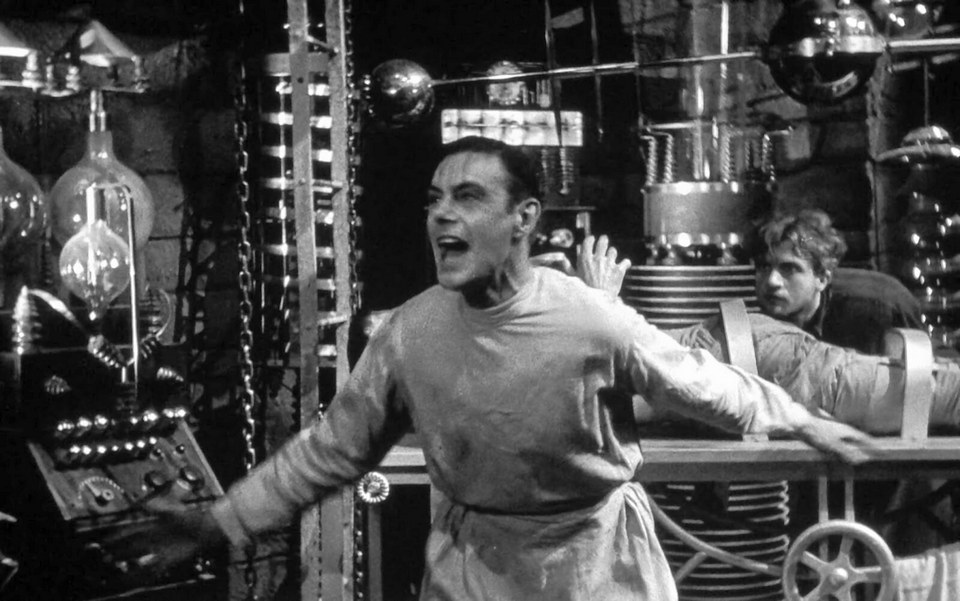
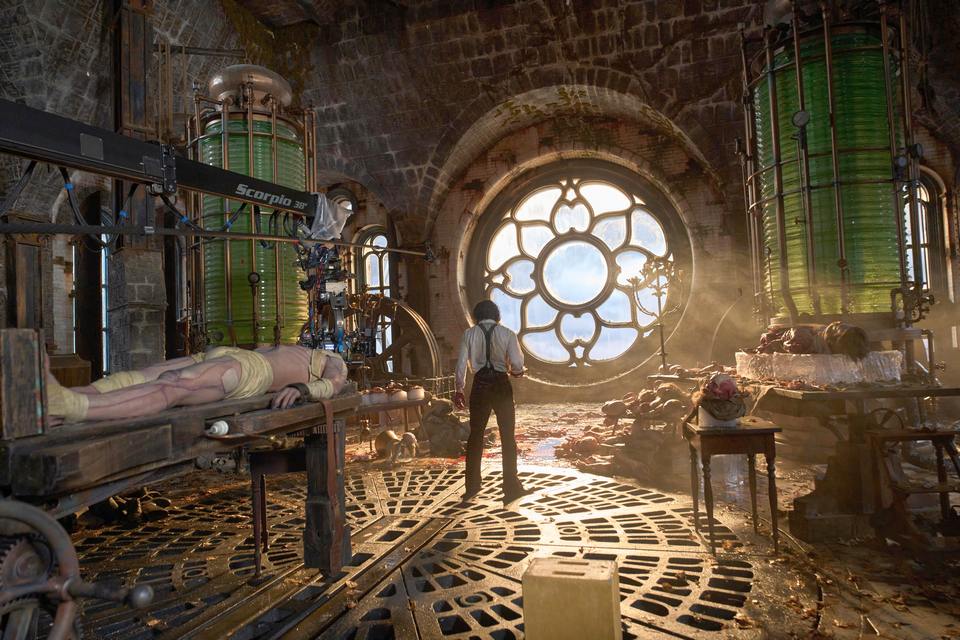
But not altogether. The new movie does have, like all its predecessors, a 19th century laboratory equipped with galvanic batteries which serve to illustrate that electricity can give life as well as extinguish it. Del Toro has moved the action from 1818 to 1857, presumably on the ground that electric power grids had become more complex by then. There are certainly reminders here and there of the Boris Karloff tradition. For example, Del Toro’s monster looks for friendship with a kitten in a similar way to Karloff’s 1931 attempt to befriend a small girl.
The novel and the new movie both grapple with the basic issues of being human. Who am I? What is the point of my life? What is humanity, vengeance, emotion? The director goes so far as to claim this is a philosophical treatise rather than a horror film. But he has conveniently forgotten the extremely gory scenes of human body parts which far outclass with buckets of blood anything the censors would have permitted in previous decades. The latest Frankenstein rendition is highly watchable, even gripping. Whether it was worth the investment of US$120 million to give it birth is a question for another day.