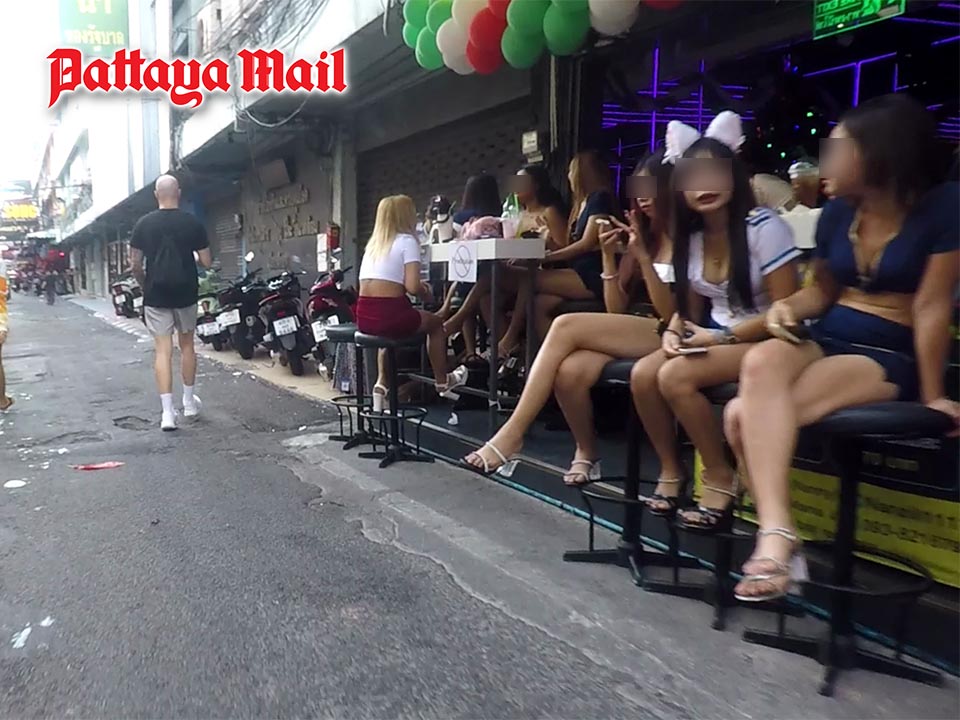
PATTAYA, Thailand – Every time the baht strengthens, the same argument returns to Pattaya’s bar stools and comment sections: “It’s too expensive now.” But beneath the complaints about exchange rates lies a deeper, more uncomfortable truth — Pattaya’s bar economy is being squeezed from both sides, and the pressure is landing hardest on the bar girls themselves.
A stronger baht undeniably reduces spending power for foreign visitors, especially those paid in pounds, euros, or weaker Asian currencies. Yet many regulars point out that the exchange rate alone doesn’t explain why a night out feels so much more expensive than it did a decade ago. The real issue, they argue, is price inflation inside the bars themselves.
Bar fines that once hovered around a few hundred baht now regularly hit 1,000 baht or more. “Lady drinks” cost double a customer’s beer, and often disappear faster than the foam settles. Short-time expectations have climbed to levels that once covered weeks of companionship. When demand softens, prices still rise — a strategy many commenters mock as “Thai business logic.”
Economics, however, doesn’t work on hope. When customers thin out, raising prices rarely saves a volume-driven business. It drives budget-conscious visitors elsewhere — to cheaper bars, cheaper neighborhoods, or entirely different countries. Pattaya may not be competing with Europe, but it is competing with Vietnam, Cambodia, and the Philippines, where costs feel more predictable and bundled.
Ironically, the result hurts the very workers higher prices are meant to protect. When customers stop buying drinks, stop paying bar fines, or simply walk past, bar girls sit longer for less money. Many still earn low base wages and rely almost entirely on commissions and customer generosity. A “don’t be cheap” moral argument doesn’t override basic supply and demand.
Some longtime residents say the market is already adjusting quietly. Beer for 39–70 baht still exists — just not everywhere. Bars that keep prices realistic stay busy; those that don’t sit empty, waiting for a high-spending past that may not return. Pattaya, after all, has never waited for tourists who left over a one-euro beer difference — but it also never thrived by pricing itself out of reach.
In the end, the baht may rise or fall, but the real damage comes from refusing to adapt. A little less, many argue, is better than nothing. Ignore that lesson, and Pattaya’s bar scene risks becoming a victim of its own pricing — leaving workers, customers, and once-busy streets poorer for it.