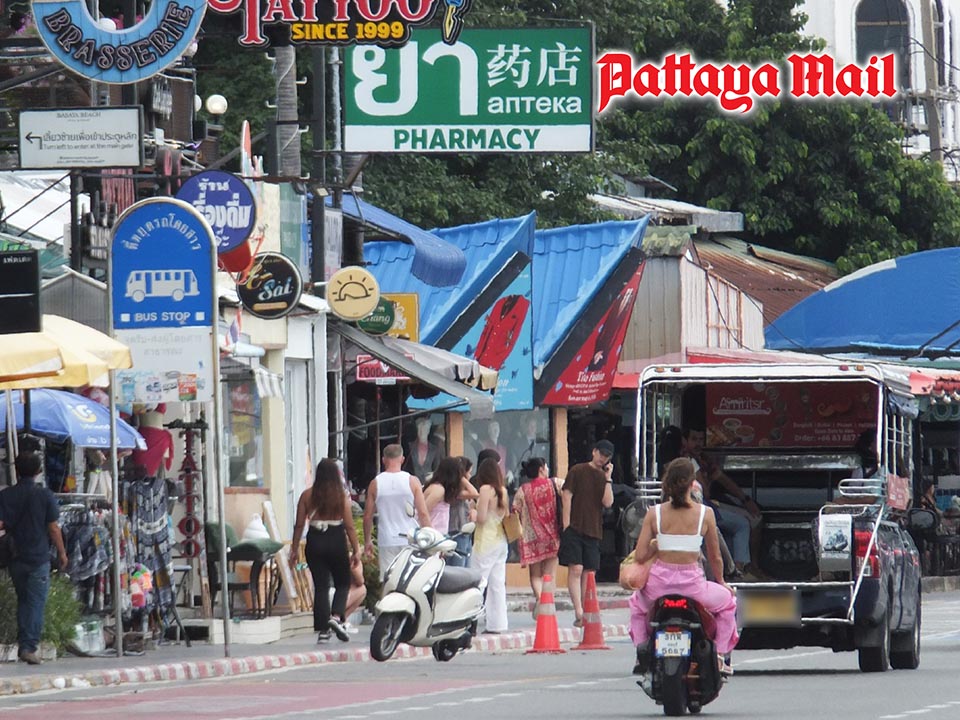
PATTAYA, Thailand – Thailand’s latest measures to stabilize energy prices and control the cost of essential goods may quietly help keep everyday tourist spending in Pattaya from rising, even as global energy markets remain volatile.
The government recently announced a temporary freeze on diesel prices at 33 baht per liter and confirmed that several essential goods remain under strict price monitoring. The move comes amid concerns that rising energy prices linked to tensions in the Middle East could push up costs across the economy.

For Pattaya’s tourism sector, the measures could help prevent short-term price increases in areas that directly affect visitors’ daily budgets, particularly transportation and food.
Fuel costs play a major role in the price of tour buses, airport transfers, and excursion packages. Operators moving tourists between Bangkok and Pattaya, or running day trips to attractions around Chonburi and Rayong provinces, rely heavily on diesel-powered vehicles. When fuel prices rise, transport companies typically adjust ticket prices to compensate.
With diesel prices temporarily capped, tour operators may find it easier to maintain current ticket prices for group excursions and transport services. This could help keep costs stable for visitors booking sightseeing trips or shared transport packages during the coming weeks.
Food and beverage prices may also benefit indirectly from the government’s controls. While beer and alcoholic beverages are not included in the list of regulated goods, many production and supply costs—such as transportation, packaging, and logistics—are influenced by fuel prices and broader consumer inflation.
If those costs remain stable, bars and restaurants may face less pressure to increase prices. In a city like Pattaya, where nightlife spending often forms a significant part of a visitor’s budget, even small price changes for drinks or meals can quickly add up.
For tourists, however, the bigger financial factor often remains the exchange rate. Many long-term visitors say the strength of the Thai baht has had a far greater impact on their spending power than local price fluctuations.
Even if beer prices in bars, tour bus tickets, and restaurant menus remain stable, a strong baht can make Thailand feel more expensive for visitors paying with foreign currencies.
Still, the government’s current measures are designed to prevent sudden price shocks and maintain stability in everyday consumer costs. For Pattaya’s tourism economy—where affordability remains one of the city’s key attractions—keeping transport and daily expenses predictable could help maintain visitor confidence during uncertain global conditions.
For now, tourists enjoying Pattaya’s beaches, nightlife, and excursions may not notice any immediate changes in prices. But behind the scenes, the government’s effort to stabilize fuel and essential goods costs may be helping keep the city’s famous holiday lifestyle just a little more affordable.