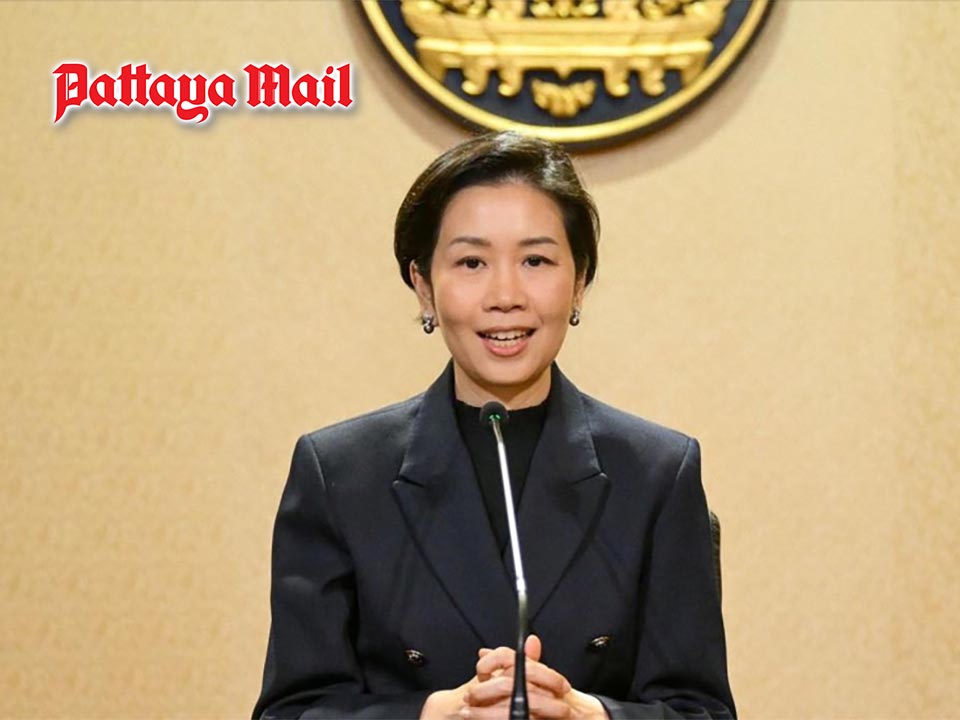
BANGKOK, Thailand – The Thai government has defended its approach to Myanmar, saying relations with the neighbouring country must be viewed through security, economic and social interests rather than politics alone. Government spokesperson Ratchada Thanadirek said the government understood that political parties could hold different views over Thailand’s relationship with Myanmar, including the decision to welcome Myanmar President Min Aung Hlaing. However, she said relations with a neighbouring country sharing a long border require a broader assessment covering national security, the economy, society and the impact on people’s daily lives. “Foreign relations, particularly with neighbouring countries, cannot be considered only from a political perspective,” Ratchada said.
She said many problems affecting Thai people are cross-border issues that Thailand cannot resolve on its own. Maintaining channels for dialogue, coordination and cooperation with Myanmar is therefore necessary. Thailand shares more than 2,400 kilometres of border with Myanmar, making cooperation between the two countries difficult to avoid. Ratchada pointed to several issues requiring cross-border coordination, including drug trafficking, scam networks, transnational crime and pollution. Environmental problems also cross national boundaries, including forest fires, smoke haze, PM2.5 pollution and contamination in rivers flowing between the two countries. Without communication and cooperation between Thailand and Myanmar, she said, it would be difficult to achieve practical solutions to these problems.
The relationship also carries significant economic and energy implications. Myanmar is an important source of natural gas for Thailand, and the two countries are currently discussing the renewal of gas contracts for fields approaching the end of their existing agreements. Ratchada said the issue is directly connected to Thailand’s energy security, production costs and the cost of living for Thai consumers. She stressed that maintaining relations with Myanmar does not mean Thailand agrees with everything the Myanmar side does or accepts every position taken by its government.
Instead, maintaining diplomatic channels allows Thailand to negotiate, pursue issues in the national interest and address problems affecting Thai citizens. “The government conducts relations with Myanmar based on the interests of Thailand and its people,” Ratchada said.
She said Thailand would cooperate on matters that benefit the country, negotiate on issues that create problems and maintain its principles when the two sides disagree. Ratchada also responded to criticism from the People’s Party, which has expressed concern over the government’s handling of relations with Myanmar and its reception of Min Aung Hlaing. She urged political opponents to consider the broader consequences of foreign policy rather than viewing the relationship solely through a political lens. Maintaining good relations with neighbouring countries, she said, can be an important tool for improving security, safety and quality of life for Thai citizens. “Responsible politics should allow the public to see the facts from all sides,” she said. “Differences of opinion are possible, but society should see the problems, benefits and opportunities for the country.”
The government’s position reflects a balancing act between political concerns surrounding Myanmar and the practical need for cooperation on issues that directly affect Thailand. With cross-border crime, environmental pollution, energy security and economic ties extending beyond the political relationship, Bangkok says keeping communication open remains essential to protecting Thailand’s interests.