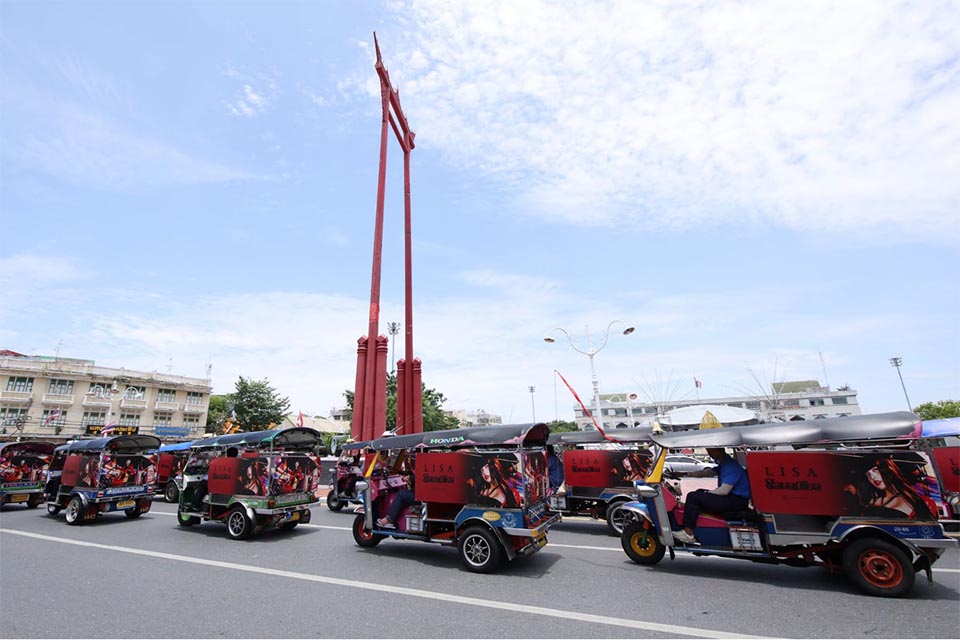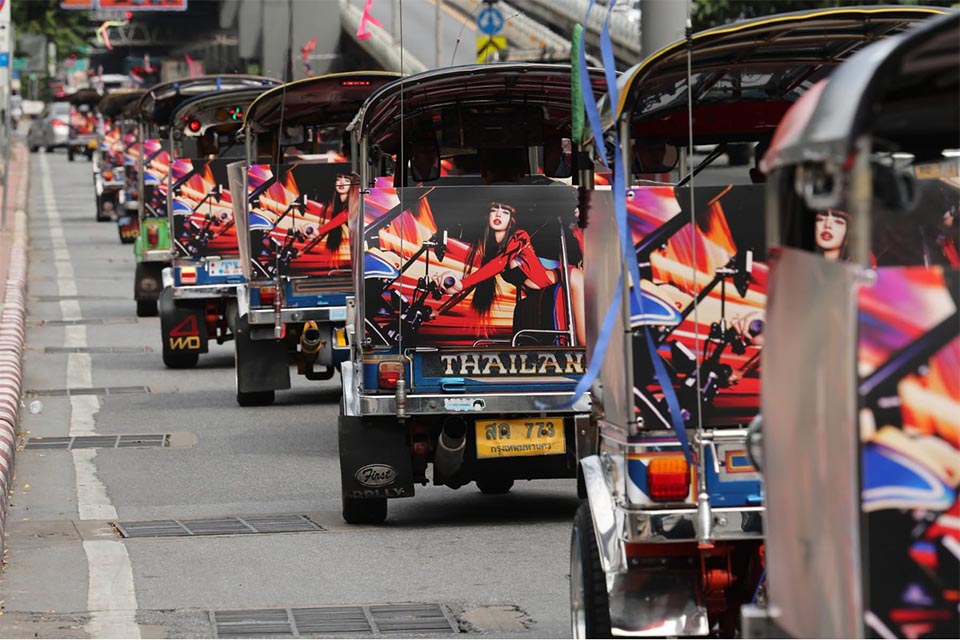
BANGKOK, Thailand – Thailand’s iconic tuk-tuks are getting a fresh moment in the global spotlight through Lisa’s latest song and campaign, “SaWaDiKa,” which features the distinctive three-wheeled vehicles as part of its celebration of Thai culture. The campaign has seen a fleet of tuk-tuks carrying “SaWaDiKa” branding appear around Bangkok, giving residents and visitors a colorful reminder of one of Thailand’s most recognizable forms of transport.
Lisa’s use of the tuk-tuk comes as Thailand continues to promote its cultural identity to international visitors, with the vehicles long associated with the country’s streets and tourism image. The renewed attention also raises a broader question about how Thailand can turn the popularity of the tuk-tuk into a stronger tourism asset.
Tuk-tuks could potentially be developed into a more professional and consistent visitor experience, with clearer pricing, courteous drivers, clean vehicles and appropriate dress standards. Rather than simply being a convenient way to travel, the vehicles could become a more polished symbol of Thailand that visitors actively want to experience. The opportunity comes with a warning, however.
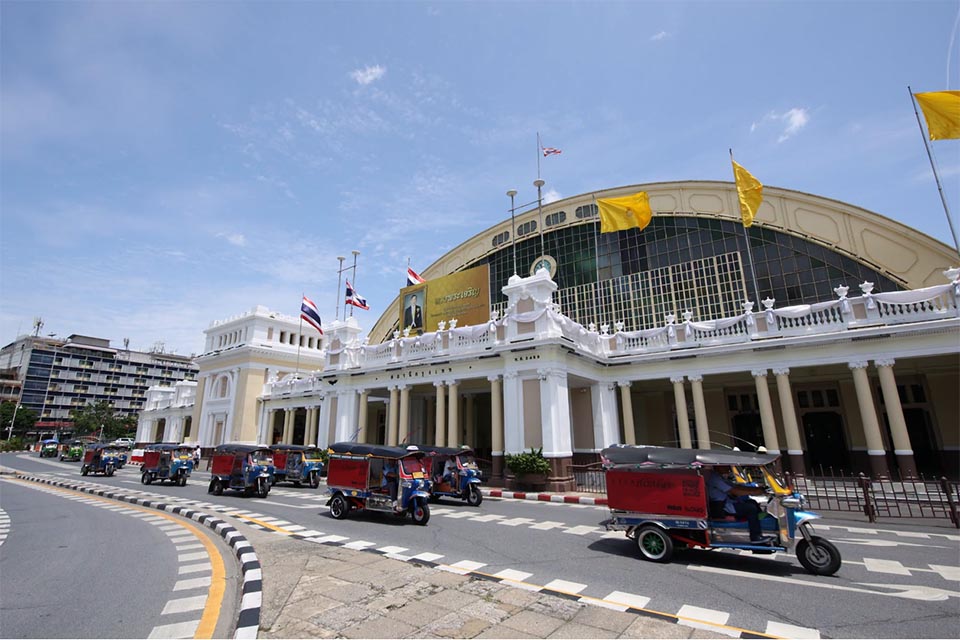
With Lisa’s international profile helping to generate renewed interest in Thailand, tourism businesses and transport operators have an opportunity to make a positive impression on visitors. Overcharging foreign passengers could undermine that image and damage the goodwill created by campaigns such as “SaWaDiKa.”
Fair and transparent pricing would allow more visitors to enjoy tuk-tuk rides without worrying about being charged significantly more because they are foreigners. For many international visitors, riding a tuk-tuk is part of the Thailand experience itself. A modernized approach could preserve the distinctive character of the vehicles while improving safety, service and professionalism.
The “SaWaDiKa” campaign therefore offers more than colorful publicity for Bangkok’s streets. It highlights how a familiar Thai icon can be presented to a new generation of international travellers through music, social media and popular culture. If Thailand can combine that global attention with better standards and fair treatment for visitors, the humble tuk-tuk could strengthen its place not only on Bangkok’s roads, but also as one of the country’s most recognizable tourism symbols.