PATTAYA, Thailand – Officials in Jomtien and across Pattaya are stepping up continuous enforcement against street homelessness, aiming to restore order and public safety in busy areas.
Municipal officers have been patrolling key zones like South Pattaya near the TUK COM complex, where homeless people often gather both day and night. While the move is widely seen as necessary for safety, locals are debating the best approach.
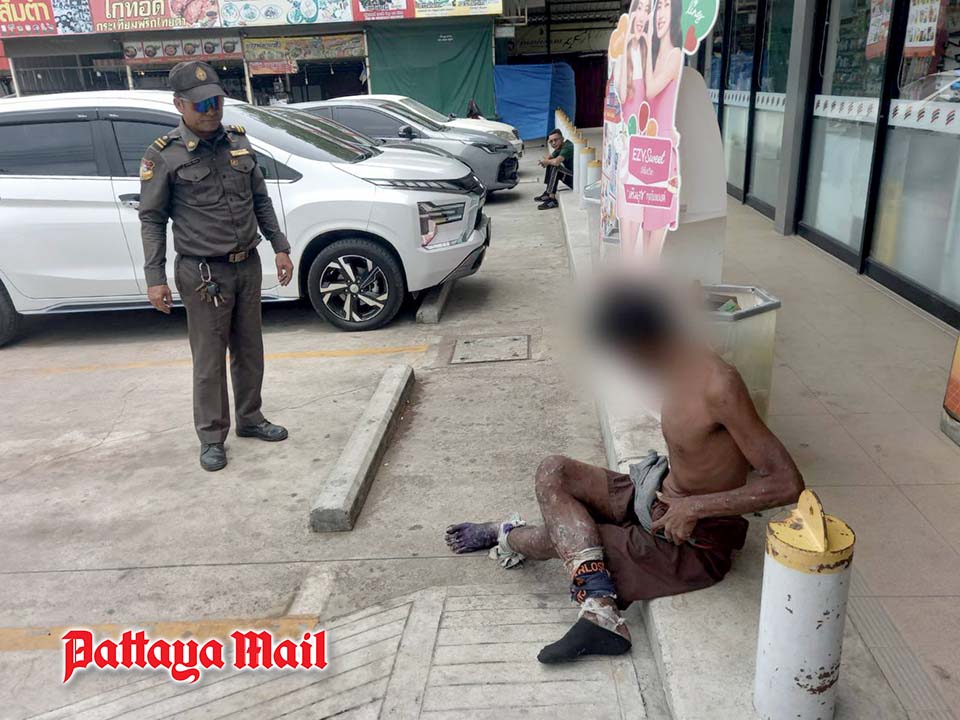
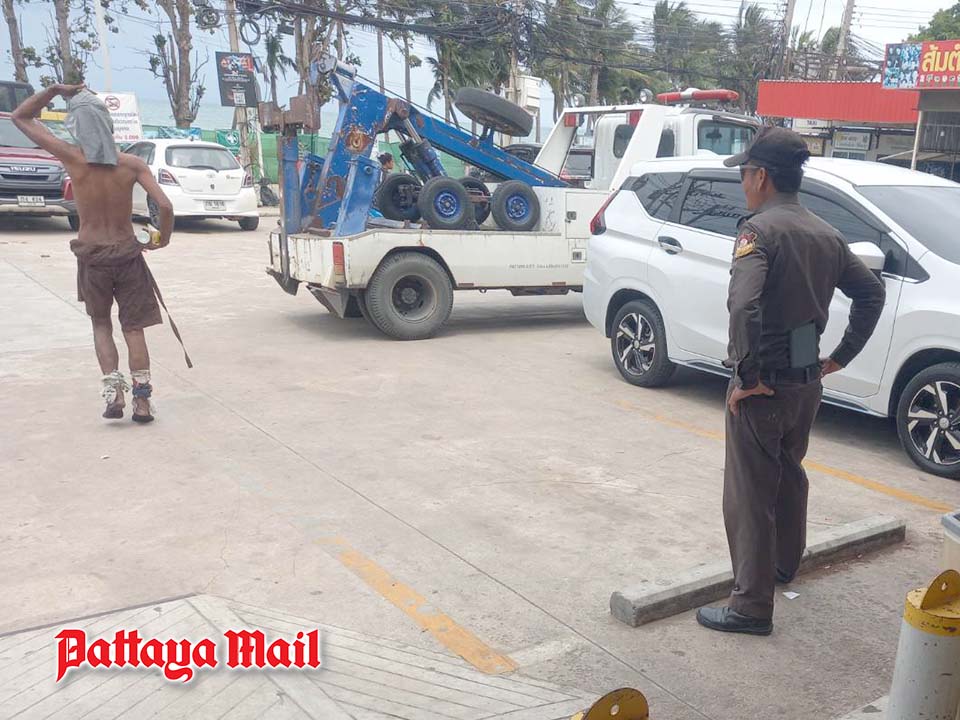
In a recent incident, officials encountered a homeless man sleeping in front of a convenience store on Jomtien Beach Road. Authorities asked him to move away from the entrance to ensure safe access for tourists and passersby. The man complied, and officers explained the importance of keeping sidewalks and entrances clear to protect both visitors and residents.
“Good, provide them with proper shelter so they don’t have to sleep on the streets like this,” one resident said, praising the efforts while emphasizing compassion. Others raised concerns about the difficulty of enforcement under current laws. “These people know the law and are protected, just like some illegal street vendors. Police often ignore them, and officers are hesitant to intervene,” one commenter noted.
Some residents suggested stronger measures or creative solutions. “The city could create a designated begging zone, issue ID cards for those collecting money, and let them earn a living in a controlled way,” one idea proposed. Another voiced frustration over tourism impacts: “It hurts the city’s image. Visitors notice this, and it reflects poorly on Pattaya.”
For now, officials are focused on regular inspections and relocating individuals from key streets. The challenge remains balancing safety, city order, and humane treatment.
“The enforcement must be continuous,” one resident said. “If done properly, it will make Pattaya cleaner, safer, and more attractive for everyone.”
The discussion reflects a broader tension in Pattaya: how to manage homelessness in a growing tourist hub without harming the city’s image or ignoring the needs of vulnerable populations.