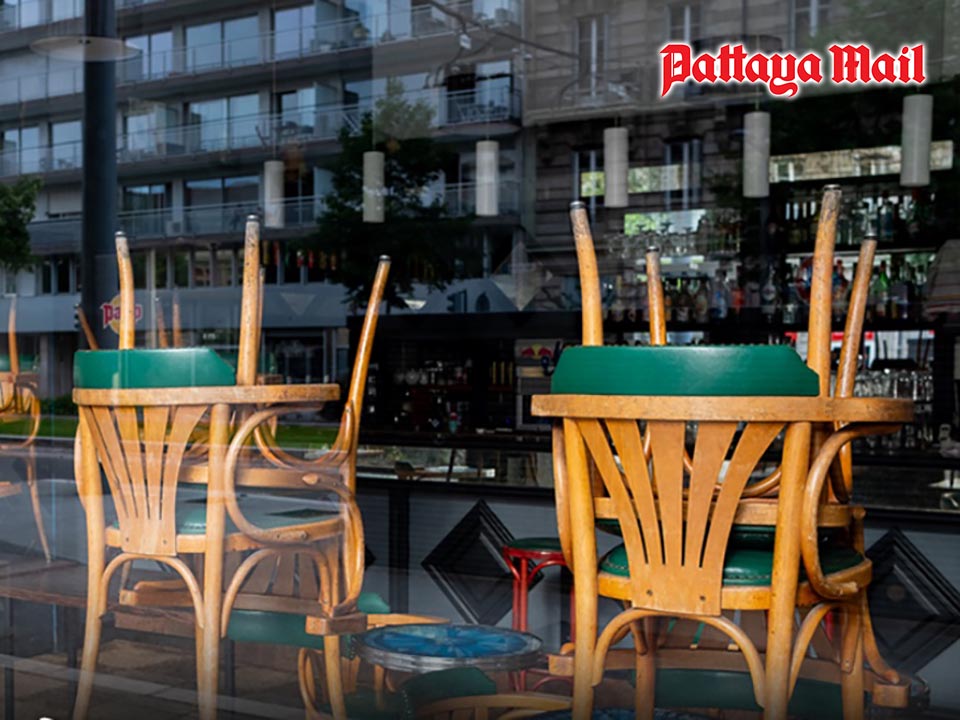
PATTAYA, Thailand – Restaurants across Pattaya are sounding the alarm as rising costs and dwindling customer spending threaten their survival. Business owners say urgent government support is needed — or many beloved local eateries could disappear for good.
From skyrocketing cooking gas prices to the cost of ingredients and wages, kitchen expenses have reached unsustainable levels. “It’s not just rent anymore — even buying oil or gas to cook basic meals is hurting our margins,” said one longtime Jomtien restaurant operator.
Adding to the pressure is a noticeable drop in domestic spending. Many Thai customers are cutting back, and foreign visitor spending hasn’t returned to pre-pandemic highs, particularly among budget-conscious long-term guests.
Once seen as a recession-proof sector, the food industry now finds itself in survival mode. As the old saying goes, “No matter the crisis, Thais must still eat.” But these days, staying afloat is no longer a given. Soaring living costs, surging household debt, and declining consumer confidence—compounded by unpredictable global conditions like trade tensions and sluggish tourism—have led many Thais to tighten their wallets. The result: a dramatic slowdown in dining out.
Niwonron Kunmongkol, president of the Thai Restaurant Association, confirmed that many small and medium-sized restaurants have quietly shuttered, especially those reliant on Chinese tourists. “Rising costs of ingredients, labor, and rent are driving closures. Even restaurants that once thrived are being forced to cut anything nonessential just to break even,” he said.
Promotional discounts—once a key draw—are now rare, as restaurants can no longer afford to offer 15-20% markdowns. Instead, operators are switching to more cost-controlled sourcing methods, like using pre-packaged peeled shrimp with labeled quantities to better manage kitchen budgets.
Somchai Aswapiyanon, Chairman of NSL Foods, echoed the sentiment: consumers are eating out less and demanding better value, nutrition, and quality when they do. “The market is shifting toward affordable, health-conscious options,” he noted.
According to Kasikorn Research Center, Thailand’s restaurant market in 2025 is projected to reach 562 billion baht, growing just 3% from the previous year. Full-service restaurants are expected to see minimal growth at 1.1%, becoming the most vulnerable to economic shocks due to the high cost of dining. In contrast, buffet-style outlets and casual dining spots like Japanese and Korean eateries are holding steady by offering perceived value and aligning with modern lifestyles.
Street food, long a staple of Thailand’s culinary identity, remains a bright spot. With growth projected at 4.7% and an estimated market value of 261 billion baht, traditional sidewalk vendors and old-school family-run eateries are benefiting from both local and foreign tourist interest. Their affordable menus, authenticity, and savvy use of social media have kept them resilient — for now.
Still, industry voices are calling on the government for immediate relief. Proposals include:
-Capping or subsidizing kitchen costs (gas, electricity, core ingredients)
-Reintroducing the “Khon La Khrueng” (Let’s Go Halves) co-payment subsidy to boost restaurant foot traffic and ease consumer burden
-Launching local food tourism incentives and grants for small vendors
“We’re not asking for luxury handouts. We just want to keep our doors open and feed our community,” said a family-run Thai food vendor in Pattaya downtown. “If nothing changes, we’ll see mass closures by year-end.”
Without decisive support, Pattaya risks losing more than just businesses—it could lose the flavors, character, and street-side soul that make the city a world-famous food destination.