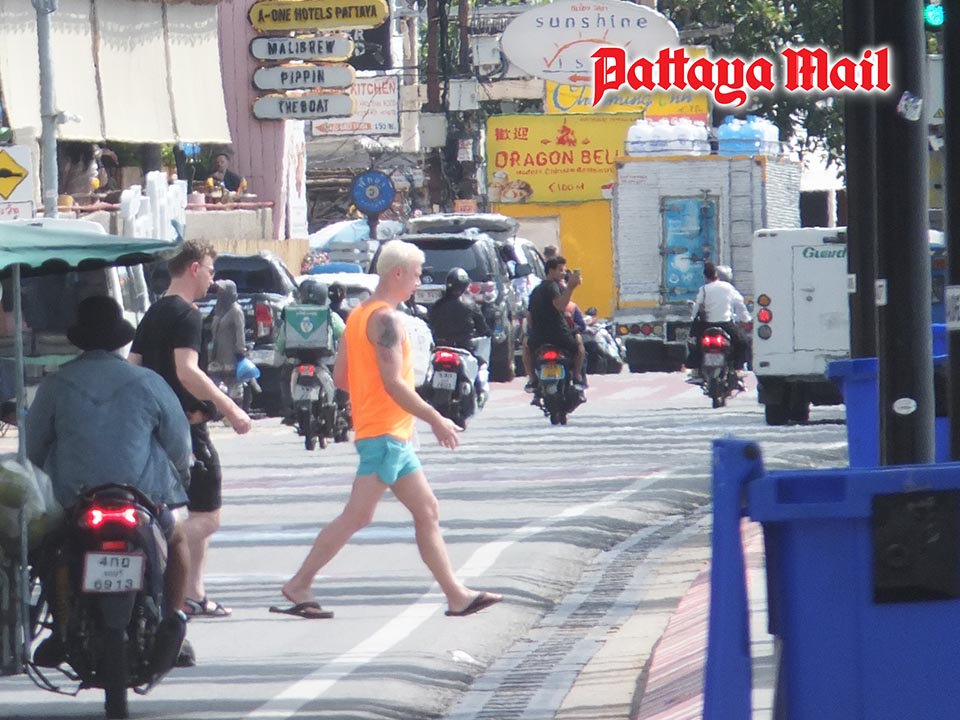
PATTAYA, Thailand – While economists warn that soaring global oil prices could place heavy pressure on Thailand’s energy subsidies and wider economy, many visitors arriving in the seaside resort of Pattaya may barely notice the crisis at all.
Energy analysts in Bangkok are sounding alarms as the country’s fuel stabilization fund faces growing financial strain amid rising global crude prices linked to the Middle East conflict. If oil prices continue climbing, authorities may eventually have little choice but to allow higher domestic fuel prices to ease the burden on the fund.
Such increases would normally ripple quickly through transport costs, logistics, and consumer prices across the country.

But Pattaya’s tourism ecosystem operates a little differently.
Unlike many destinations where visitors rely heavily on taxis or rental cars, Pattaya is famously compact and walkable. Much of the city’s tourism activity stretches along a relatively short coastal strip, from Pattaya Beach to Jomtien Beach, where hotels, restaurants, nightlife venues, and shopping areas sit within easy reach of each other.
For many foreign visitors, exploring the city on foot is part of the appeal.
Even travelers staying several days often discover that they can move between beaches, bars, restaurants, and markets simply by walking along the beachfront promenade or nearby streets. The same is true in Jomtien, where long seaside sidewalks encourage leisurely strolls between hotels, cafés, and beachfront dining spots.
This means that while rising fuel costs may affect freight transport, airline operations, and some domestic travel expenses, they have less direct impact on the day-to-day mobility of tourists once they arrive in Pattaya.
Visitors might still take the occasional ride in the city’s famous shared pickup taxis, but many find themselves walking far more than they expected.
That doesn’t mean the energy crisis has no influence at all. Airlines, tour operators, and supply chains remain sensitive to fuel prices, and sustained increases could eventually push up travel costs or certain goods.
But the immediate tourist experience on the ground often remains unchanged.
A visitor landing at Bangkok’s main airport and traveling the short distance to Pattaya will likely spend the rest of their holiday exploring on foot—wandering along the beachfront, browsing markets, or heading out for dinner by the sea.
For a city built around sunshine, street life, and easy seaside walking, Pattaya’s layout may offer an unexpected buffer against global energy turbulence.
In a world where oil prices can swing wildly due to distant geopolitical events, tourists strolling between the beach and dinner in Pattaya may find themselves enjoying a rare luxury: a holiday destination where the best way to get around still costs nothing at all.