PATTAYA, Thailand – The nightlife and service sector in Pattaya is reporting a slowdown in spending after the government launched an economic stimulus program that excludes several key tourism-related businesses, raising concerns among operators about uneven recovery across industries.
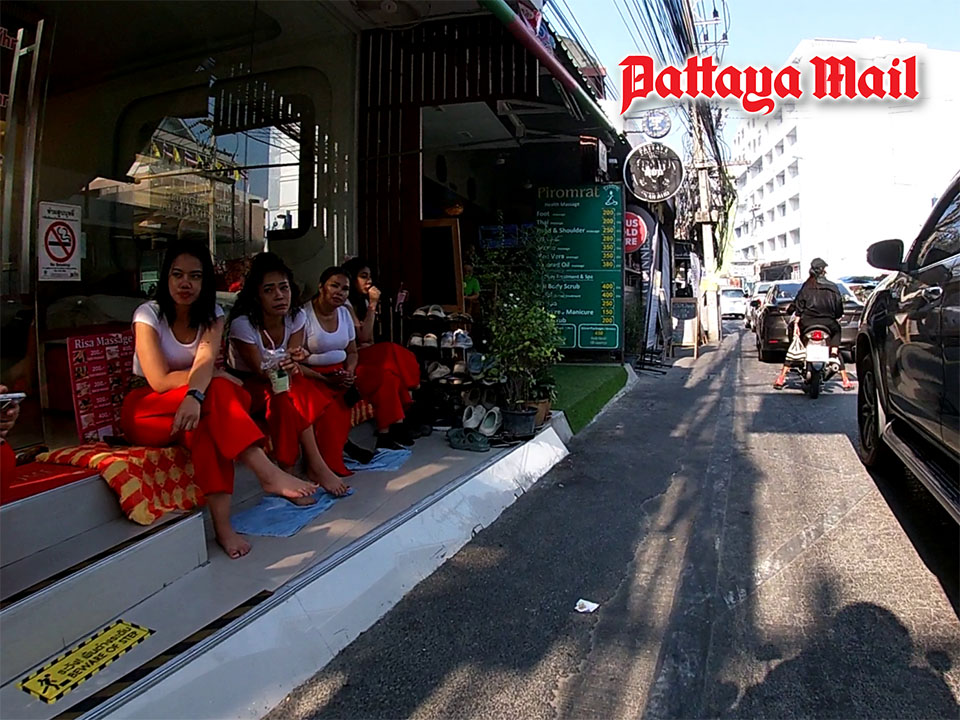
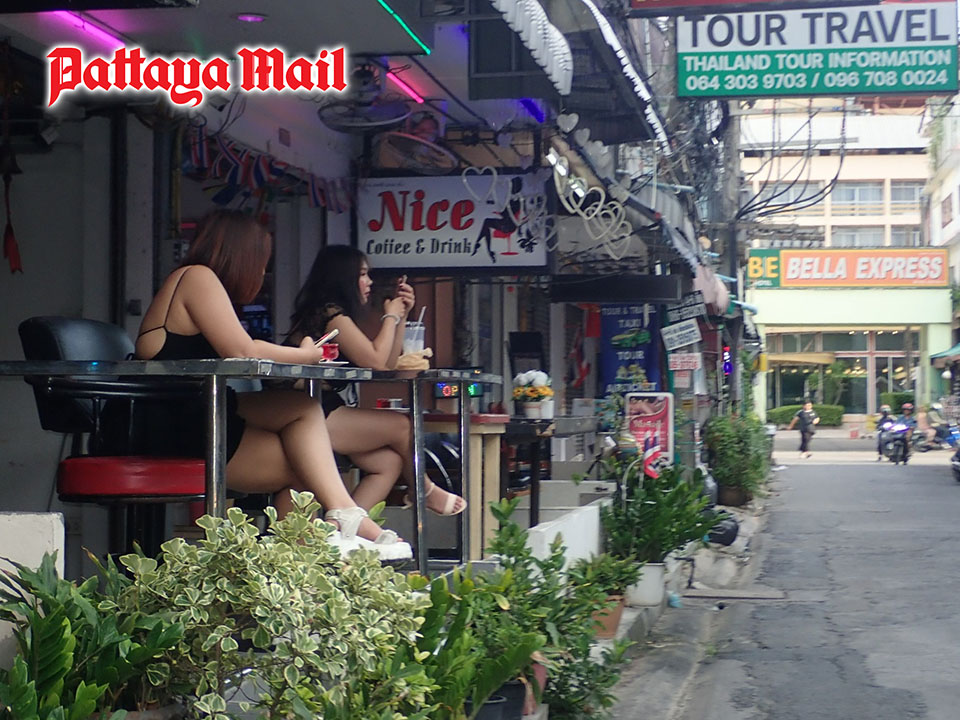
On June 3, reporters surveyed business activity and tourism spending in Pattaya following the rollout of a state stimulus scheme designed to boost domestic consumption. While a range of retailers and service providers were able to register and benefit from the program, several nightlife and personal service businesses—including bar beer venues, entertainment establishments, massage parlors, spas, hair salons, and nail shops—were not eligible to participate. The exclusion has left many operators feeling sidelined during a period already marked by seasonal downturn in tourist arrivals.
A bar beer owner in central Pattaya, identified as Ms. Somporn (alias), said the low season has already reduced customer traffic, and the inability to join the stimulus scheme has further limited recovery opportunities. “We pay signage tax, property tax, utilities, and various fees just like other businesses,” she said. “But when it comes to government support programs, we are excluded. It feels unfair, especially since nightlife businesses are a key part of Pattaya’s identity and tourism economy.” Massage shop operators also expressed similar concerns, saying that although their services are directly linked to tourism, restrictions prevent them from participating in certain government incentive schemes.
A massage business owner, Wittaya, said customer spending has shifted toward outlets that are part of the program. “Many customers choose shops where they can use the stimulus benefits because it helps reduce their expenses,” he said. “We understand the government’s intention to boost the economy, but all legal businesses should be treated fairly.” Some residents and tourists also noted that excluding major segments of the service industry could reduce money circulation in tourism-driven cities like Pattaya, where the local economy heavily depends on hospitality and nightlife-related spending.
“If the goal is to stimulate the economy, it should cover all legal sectors that generate income and employment,” one visitor commented. “Otherwise, the impact is uneven.” However, most operators stressed they are not seeking special privileges, but rather broader inclusion and a more balanced approach to economic support. They argue that nightlife and service businesses play a significant role in Pattaya’s tourism economy and generate substantial employment and revenue each year. They are calling on relevant authorities to review eligibility criteria to ensure that stimulus measures are more inclusive and reflect the full structure of the local economy, particularly in major tourism hubs such as Pattaya.