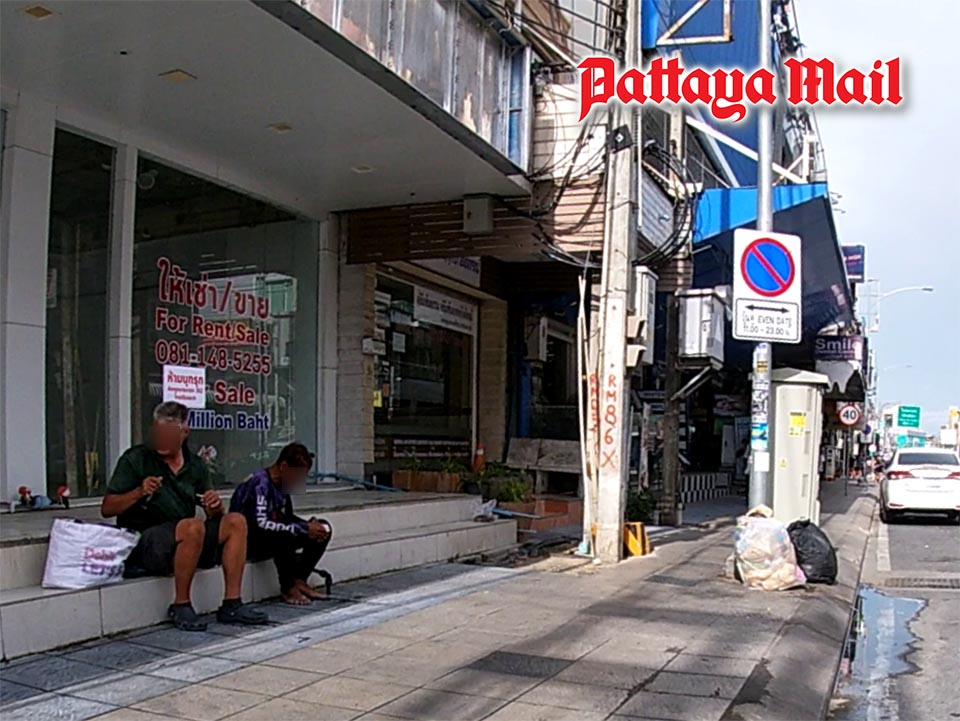
PATTAYA, Thailand — Pattaya, one of Thailand’s best-known international tourism destinations, is facing a persistent problem involving foreign homeless people and rough sleepers, with some reportedly seeking shelter on beaches, pavements and around shuttered commercial properties. Recent reports have highlighted groups using public spaces around Pattaya Beach and Second Road as overnight shelters, prompting renewed concerns about the city’s appearance, public order and tourist confidence.
The issue is not limited to people sleeping outdoors. Some foreign nationals are reportedly taking refuge inside abandoned buildings, closed bars and vacant commercial properties, where access and oversight can be difficult. Local concerns have centered on littering, public nuisance and occasional disruptive behavior, particularly when people are intoxicated.
The situation can stem from several circumstances, including financial hardship, unemployment, the loss of accommodation or immigration problems such as visa overstays. In some cases, people may lack the money or documentation needed to return home, leaving them dependent on informal support networks or living on the streets.
For tourism operators, the concern goes beyond the welfare of the individuals involved. Pattaya relies heavily on its reputation as a safe and welcoming international destination, and highly visible scenes of people sleeping rough in major tourist areas can create an unfavorable impression among visitors.
The problem has also raised questions about abandoned buildings and vacant commercial properties. When such locations are left unsecured, they can become informal shelters, making it harder for authorities and property owners to monitor who is entering and what is happening inside.
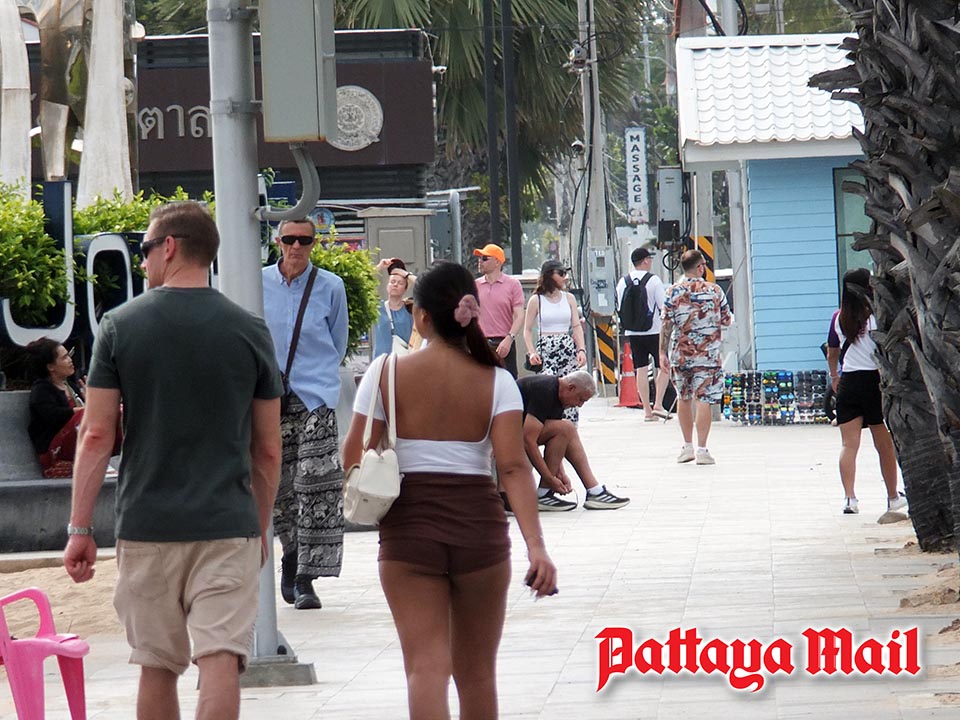
Authorities have previously used joint operations involving immigration officials, tourist police and local authorities to identify foreigners living without valid immigration status and process cases according to the law. However, enforcement alone may not solve the underlying problem if new groups continue to arrive or individuals return to the streets after being assisted.
A longer-term response could involve closer coordination between immigration authorities, embassies, local government and humanitarian organizations. Foreign nationals who have overstayed could be assessed and assisted with the appropriate legal process, while those facing genuine financial or personal crises could be connected with appropriate support.
Property owners also have a role to play. Vacant buildings and closed businesses should be secured to prevent unauthorized entry, while local businesses and residents could work with authorities to report recurring problems before they develop into wider public-safety concerns.
The challenge for Pattaya is therefore twofold: maintaining public order while ensuring that vulnerable foreign nationals are dealt with through lawful and humane procedures. Recent reporting shows the visibility of homelessness in central Pattaya remains a concern, making the issue one that city authorities and tourism stakeholders will likely need to address more systematically.
For a city built around international tourism, the goal is not simply to move people out of sight, but to find a sustainable solution that protects public spaces, supports vulnerable people and preserves Pattaya’s reputation as a global tourist destination.