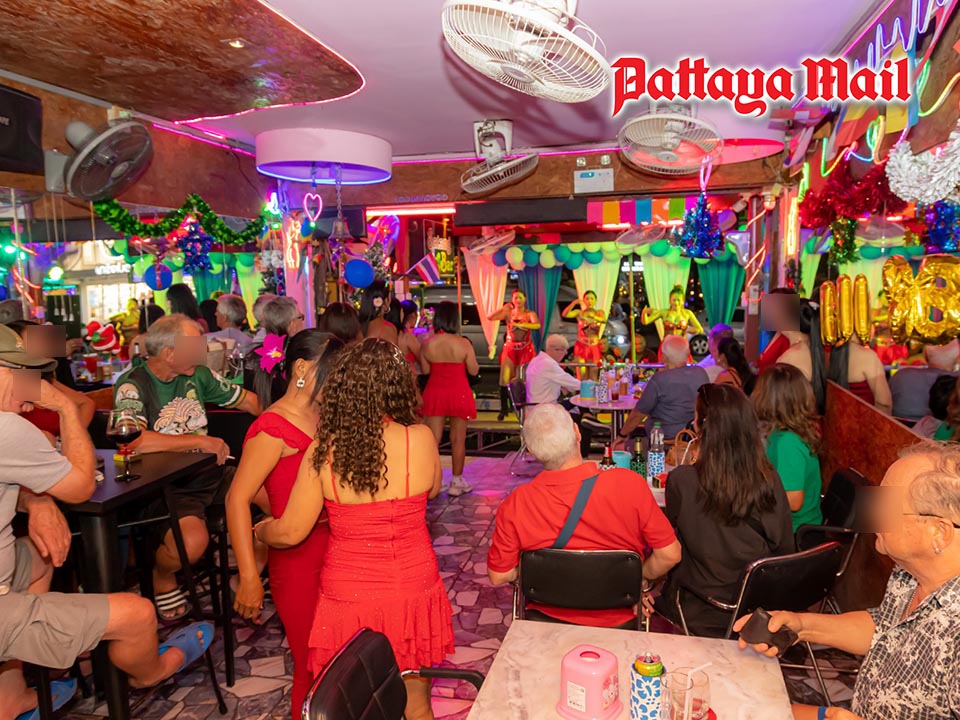
PATTAYA, Thailand – The short reader comment, “36–38 to $1 and Pattaya would be humming”, left beneath a recent Pattaya Mail article may have captured what many long-term visitors, retirees and local business owners quietly believe: Thailand’s strong baht is dampening spending in one of the country’s most famous tourist cities.
With the Thai currency currently hovering around 31–32 baht to the US dollar, Pattaya’s tourism sector finds itself in a strange position. Visitor numbers may still appear healthy on paper, but many businesses say the free-spending atmosphere the city once thrived on is fading.
For decades, Pattaya built its reputation as a destination where foreign currencies stretched far. When the exchange rate hovered around 36–38 baht per dollar, visitors often felt comfortable spending freely on accommodation, dining, nightlife and entertainment.

Today’s stronger baht changes that calculation.
For tourists paid in dollars, euros or pounds, every night out, hotel stay or restaurant bill effectively costs more than it once did. The difference may appear small on paper, but across a two-week holiday or several months of long-term living, it adds up quickly.
The result, according to many local operators, is more cautious spending.
Bars, restaurants and entertainment venues across Pattaya remain open and active, but many report a shift in customer behavior.
Visitors are still arriving, but they are increasingly watching their budgets. Nights out are shorter, drinks tabs smaller, and impulse purchases less common.
Long-term visitors say they now think twice before spending in ways that once felt effortless when exchange rates were more favorable.
For a city whose economy relies heavily on discretionary spending, exchange rates can have an outsized impact.
Pattaya’s tourism model depends not just on visitor numbers but on how freely those visitors spend. When the baht strengthens, it quietly chips away at the sense of value that once defined the destination.
The strong currency also makes Thailand appear more expensive compared with competing destinations in Southeast Asia, where travelers may find better exchange rates and lower overall costs.
The remark that may sound like nostalgia, but it reflects a sentiment heard increasingly often among tourism workers, long-term visitors and retirees living in the city.
They argue that Pattaya’s atmosphere thrives when visitors feel their money goes further. When exchange rates tighten, the city’s famous energy—especially in nightlife and entertainment areas—can feel noticeably subdued.
Of course, currency values are shaped by global markets and national economic policy, not local tourism needs.
But in a city where the economy depends so heavily on foreign spending, even a few baht difference in the exchange rate can influence the mood of the entire destination.
For now, with the baht holding strong around 31–32 to the dollar, some in Pattaya believe the city is operating below its full potential.