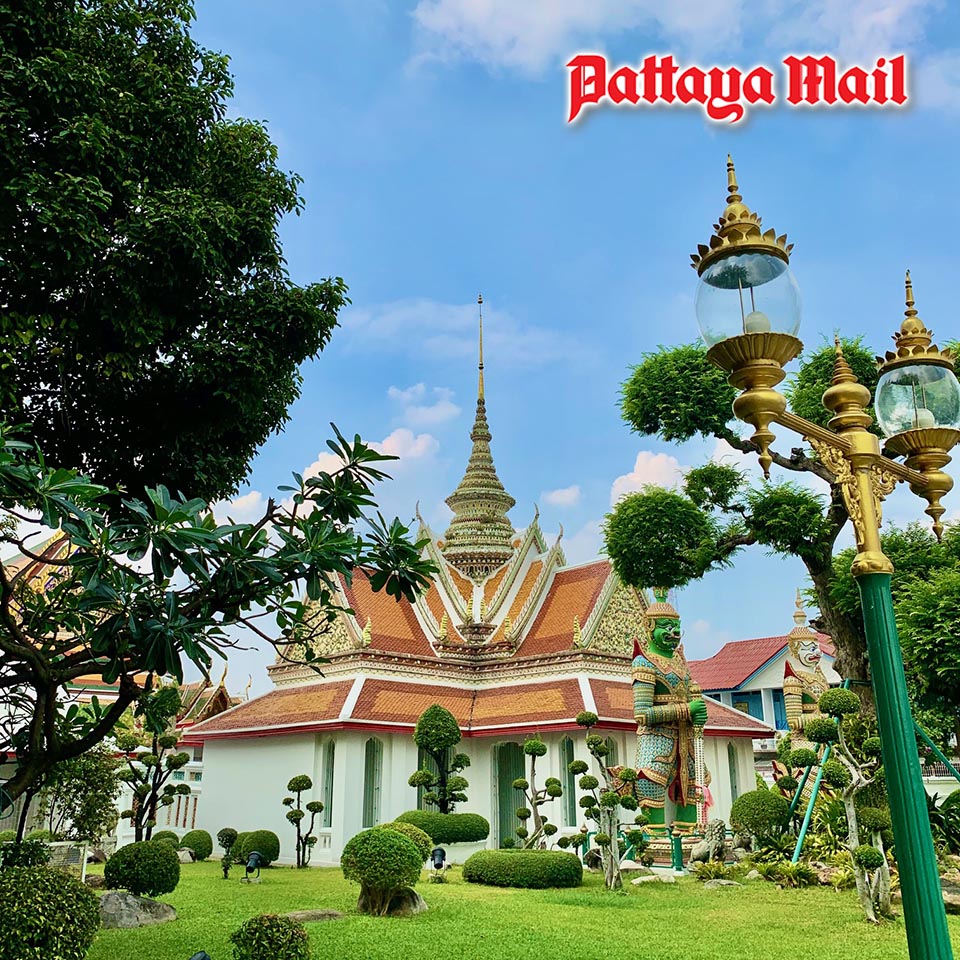
BANGKOK, Thailand – The narrative surrounding Thailand’s tourism appeal has evolved. Visitors no longer come simply because the destination is affordable. Increasingly, travellers choose Thailand for its depth of experience, consistency, and a genuine sense of welcome that remains difficult to replicate elsewhere. Thailand works well for first-time visitors, but it works even better for those who return again and again. That balance remains one of the country’s greatest strengths.
Thailand is easy to enjoy
A common observation among visitors is how quickly they feel comfortable after arrival. Modern international airports, well-connected transport systems, professionally managed hotels and attractions, and the widespread use of English in tourism areas allow travellers to settle in quickly and feel at ease. This ease reduces friction and anxiety. When visitors relax early in their journey, they tend to explore more, enjoy more, and are far more likely to return. Thailand’s appeal today lies increasingly in experiences rather than landmarks alone.
Experiences, not just destinations
Visitors are drawn to Thailand for a wide range of experiences, including its diverse food culture, from street markets to fine dining; wellness offerings such as spas, retreats, yoga and traditional therapies; cultural immersion through temples, festivals and everyday local life; and access to nature through beaches, islands, mountains and national parks. Learning experiences such as cooking classes, crafts and meditation further deepen engagement. These experiences create emotional connections that remain long after the journey ends.
One country, many journeys
Thailand’s diversity continues to be one of its strongest advantages. Within a single trip, travellers can experience a modern global city, relax on beaches or islands, explore historic towns and temples, visit rural communities, and combine luxury with simplicity. This flexibility makes Thailand suitable for short breaks, extended stays and repeat visits over many years.
First-time visitors feel reassured
For many travellers, Thailand serves as a natural introduction to Asia. Tourism standards are high and predictable, accommodation and food meet global expectations, and visitors often feel supported rather than overwhelmed. Decades of experience welcoming international guests have helped build confidence among new arrivals, encouraging deeper exploration beyond initial destinations.
Repeat visitors remain highly valued
Industry evidence consistently shows that repeat visitors represent one of Thailand’s most valuable tourism segments. Retaining returning guests is significantly more cost-effective than attracting new ones, and repeat travellers typically stay longer and spend more per visit.
They are also more likely to travel beyond major gateways, build relationships with local businesses and hotels, and recommend Thailand to friends and family. As a result, destinations and hospitality providers increasingly prioritise long-term guest relationships.
Service that feels personal
Thai hospitality continues to stand out because it feels human rather than transactional. Returning guests are often recognised, preferences remembered, and service delivered with warmth rather than formality. This emotional connection remains one of Thailand’s strongest competitive advantages in an increasingly competitive global tourism environment.
Value today means quality
Thailand continues to offer strong value, but value is now defined less by price and more by what visitors receive. High accommodation standards, excellent food across all price points, attentive service and generous experiences contribute to a perception of quality that keeps Thailand competitive even as global travel costs rise.

Thailand by region: 2026 outlook
Bangkok and Central Thailand
Bangkok continues to anchor Thailand’s tourism and business ecosystem in 2026, combining global connectivity with major festivals and a strong MICE calendar. Songkran remains a major demand driver, complemented by large-scale music events such as the S20 Songkran Music Festival. Major conferences and exhibitions at venues including IMPACT and QSNCC support year-round visitation, while international concerts and live entertainment help extend demand beyond traditional peak seasons.
Southern Thailand
Beach and island destinations in the South continue to strengthen their appeal through experiential travel, wellness offerings and cultural programming. Songkran celebrations in Phuket, Krabi and Koh Samui remain key seasonal highlights, while arts, culinary and eco-focused events support a shift toward higher-value travel and longer stays.
Northern Thailand
Northern Thailand’s appeal is increasingly shaped by cultural and creative experiences aligned with slower-paced travel. Chiang Mai’s Pii Mai Muang celebrations remain a strong draw, supported by year-round cultural and arts festivals that reinforce the region’s identity as a heritage and wellness destination.
Eastern Thailand
Eastern Thailand continues to evolve as a hybrid leisure and business gateway. Pattaya and surrounding areas sustain strong domestic and regional demand through festivals and lifestyle events, while the Eastern Economic Corridor supports ongoing business exhibitions and incentive travel. The planned Tomorrowland Thailand 2026 event in Chonburi is expected to further elevate the region’s international profile.
Additional calendar highlights across regions
Events such as Miss Grand Thailand 2026 and a growing calendar of live music and cultural showcases contribute to an expanded entertainment ecosystem, encouraging longer stays and diversified visitor demand across multiple regions.
Outlook for 2026
Thailand’s future in tourism is unlikely to depend on volume alone. The country’s long-term strength lies in protecting quality, nurturing repeat visitors and using its established advantages intelligently. Thailand continues to attract visitors because it offers confidence, warmth and variety — a combination that remains highly relevant as global travel patterns evolve.
Editor’s note
This article considers Thailand as a destination in its entirety and reflects both personal observation and professional experience gained over more than three decades living and working in the country. Rather than relying on marketing slogans, it explains in practical terms why Thailand continues to attract visitors in an increasingly competitive travel environment, particularly among repeat travellers.

About the author
Andrew J. Wood is a British-born travel writer, tourism consultant and former hotelier who has lived in Thailand for more than three decades. A former Director of Skål International and past president of Skål International Asia, Thailand and Bangkok, he writes regularly on tourism trends, destination strategy and high-value travel across the Asia-Pacific region.