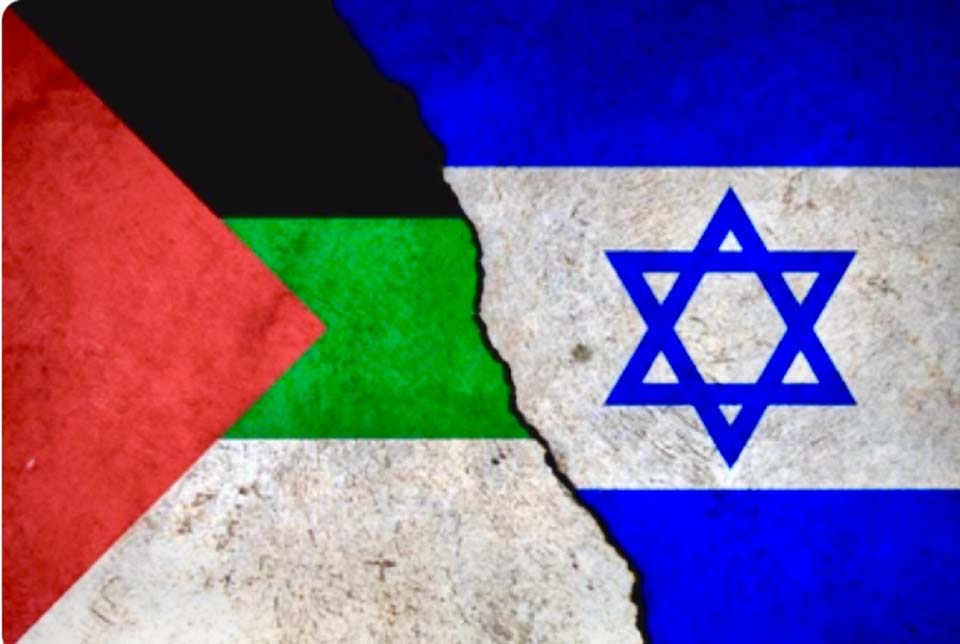
As someone born in England in 1959, educated in Church of England schools and a sometimes-attendee of the Methodist church, I grew up hearing of “the Holy Land” as a place of sacred stories. In today’s world, that same land is called Israel by some and Palestine by others. It is known more for conflict than harmony. But beneath the politics lies something deeper — two peoples, both with deep historical and emotional ties to the same place.
I have lived in Thailand, my adopted Buddhist homeland, for over 34 years. In that time, I’ve learned to listen more, judge less, and understand the importance of integrating peacefully in a land that is not originally my own. It is from this place of humility that I approach this story — not to take sides, but to understand.
Part One: The Jewish Story, Return After Exile
The Jewish people trace their connection to the land now called Israel back more than 3,000 years. From the time of King David and Solomon to the destruction of the Second Temple in 70 CE, Jerusalem was the heart of Jewish identity. After that, Jews lived in exile.
For nearly 2,000 years, Jews were minorities across Europe, North Africa and the Middle East. They experienced expulsion, discrimination and, ultimately, the Holocaust. Before World War II, Europe had more than 9.5 million Jews. Afterward, six million were dead.
To the survivors, the message was brutal. Nowhere was safe. No government could be fully trusted to protect them. The dream of a homeland, long kept alive in prayer and tradition, now became urgent. It was not just about identity, but survival.
In 1948, after decades of Zionist immigration and the withdrawal of British control, Jewish leaders declared the State of Israel. For many Jews, this was a moment of redemption — a return to a homeland lost in ancient times, now restored in the ashes of tragedy.
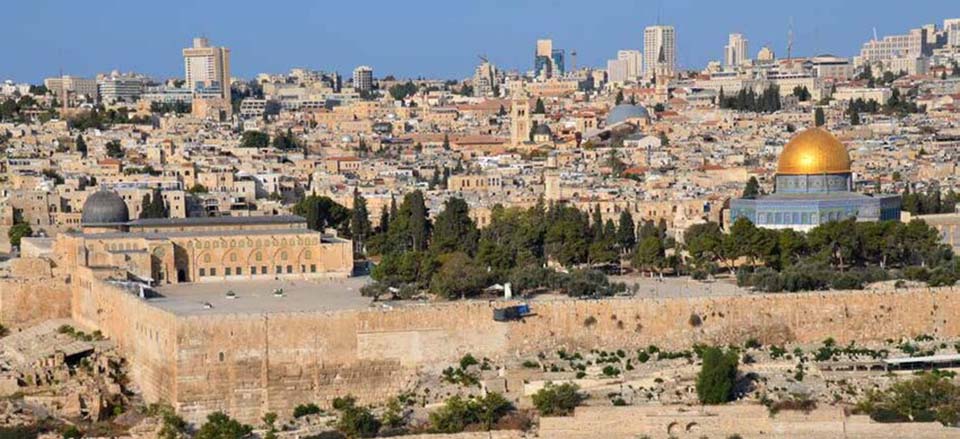
Part Two: The Palestinian Experience, A Homeland Lost
For Palestinians, 1948 was not a return. It was a rupture. In the war that followed Israel’s creation, more than 700,000 Palestinian Arabs were displaced or fled their homes. Some left in fear, others were expelled. Villages were destroyed, and a nation-in-waiting vanished.
These communities had lived on the land for generations, under Ottoman and then British rule. For many, the sudden establishment of Israel — with support from Western powers — felt like an imposed injustice.
Today, millions of Palestinians live as refugees or under military occupation. Their national identity is rooted in a memory of loss, and a yearning for return. For them, the land taken in 1948 is not just political territory. It is family history, wrapped in olive trees and broken keys to homes they still remember.
The Occupation and the Present
In 1967, following war with neighbouring Arab states, Israel occupied the West Bank, Gaza and East Jerusalem. While it later withdrew from Gaza, the occupation of the West Bank continues. Israel sees this as necessary for security. Palestinians see it as ongoing control of land that should one day form their own state.
The suffering continues on both sides — with fear, anger and mistrust shaping the lives of ordinary people.
Two Realities, One Land
For Jews, Israel is a refuge from persecution, a nation reborn after centuries of exile. For Palestinians, it represents loss — of home, land and identity.
The pain on both sides is real. So is the pride. This is not a story of good versus evil. It is a story of two peoples who both see the same land as home.
If peace is ever to come, it will not begin with agreement. It will begin with understanding.

About the Author
Andrew J. Wood is a respected travel writer, hotelier and tourism lecturer with over four decades of experience in Southeast Asia’s hospitality and tourism sectors. A former general manager of several leading hotels in Thailand and a regular speaker at international tourism forums, Andrew is widely recognised for his insight into emerging travel trends and his passionate advocacy for cultural understanding and global exploration. He is a past president of Skål International Asia, Skål Thailand’s Past National President, and a two-time Past President of Skål International Bangkok. Educated in Church of England schools. Andrew has lived for more than 34 years in Thailand, a Buddhist country that has taught him the values of respect, integration and non-judgement. He contributes regularly to leading regional and global travel publications.