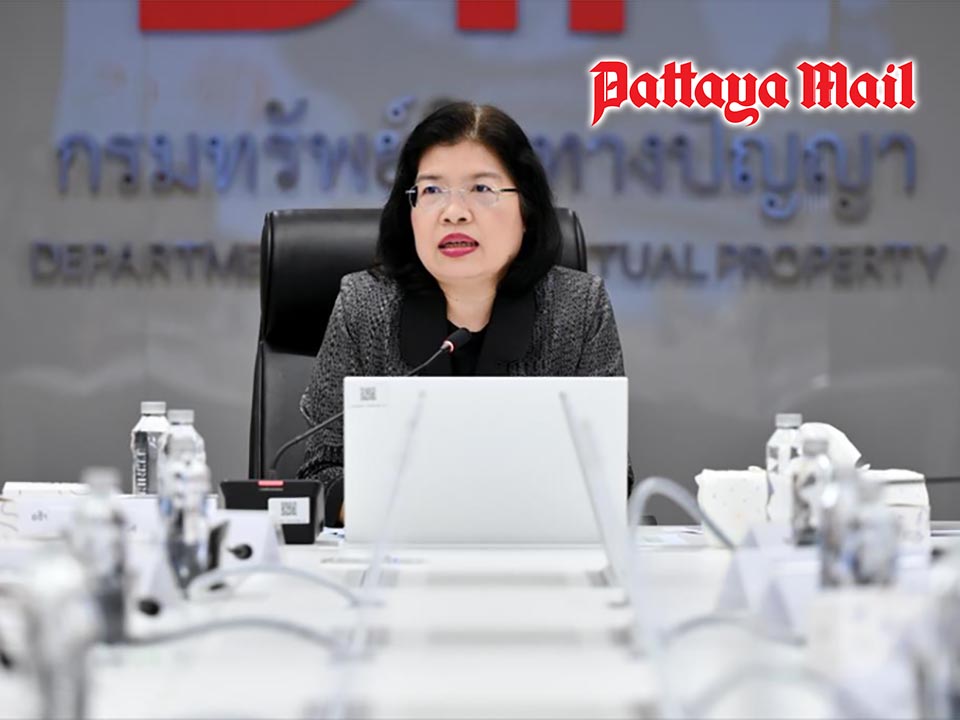
BANGKOK, Thailand — Thailand’s Department of Intellectual Property is advising singers, songwriters, producers and other creators to strengthen their protection against the growing use of artificial intelligence to copy voices and creative works.
Director-General Auramon Supthaweethum said the department is ready to advise artists and music professionals on protecting, managing and commercially developing their intellectual property as AI technology makes it increasingly easy to create convincing copies of voices and creative works.
Whether AI-generated or cloned material infringes copyright depends on how the technology is used and whether protected parts of an existing work have been reproduced, adapted or distributed without permission. Protected elements of a song can include lyrics, melodies, arrangements and sound recordings.
The department recommends that creators submit copyright information through its online system at the Department of Intellectual Property website. The service is free and provides a record in a central database that can help establish ownership and the date of creation, while allowing potential users to identify and contact rights holders.
Creators are also advised to preserve evidence of the creative process, including original files, creation dates and times, draft lyrics or melodies, recording files and records showing when and where the work was published. Such evidence can become important if ownership is disputed later.
The department noted that a single song can involve several layers of intellectual property rights. Copyright protection begins automatically once a work is created, without requiring registration, although recording copyright information can provide useful supporting evidence.
Artists can also protect elements of their identity through trademarks. Artist names, band names, stage names, logos and symbols may be registered as trademarks, while distinctive sounds may potentially qualify for sound-mark protection.
Such protection can become increasingly important as AI and deepfake technology make it easier to imitate an artist’s voice and image, particularly when a name, voice or symbol is used commercially for merchandise, entertainment services or licensing. The department also clarified that being the first person to use a hashtag does not automatically create exclusive ownership of it. A hashtag may raise separate trademark issues if it has been registered as a trademark.
Artists facing impersonation, unauthorised use of their names or other intellectual property disputes can seek advice from the department’s Intellectual Property Advisory Centre (IPAC). The centre also provides free dispute-resolution services, with department specialists acting as mediators where parties wish to reach an agreement. IPAC can be contacted at the Department of Intellectual Property, on Facebook at IPAC, or through the 1368 hotline.