PATTAYA, Thailand – Thailand continues to rank among the most popular long-haul destinations for Swiss travellers. While the country is expected to miss its overall international tourism targets for 2025, the Swiss market remains remarkably stable. By the end of August, arrivals from Switzerland were up eight percent year-on-year. In 2024, Thailand recorded a total of 184,000 Swiss arrivals – and this year, the number has already reached 122,000.
For Gere Gretz, the long-serving representative of the Tourism Authority of Thailand (TAT) in Switzerland, these figures send a positive signal. Gretz, who has been promoting the Kingdom for 26 years and has personally visited Thailand 116 times, notes that Europe remains a key market for the country — not least because European visitors tend to spend significantly during their stay.
The picture is even more dynamic in neighbouring markets. Arrivals from Germany rose by 12 percent to 611,000 by the end of August, while Austria recorded a nine-percent increase to 76,000. According to Gretz, the slightly lower growth rate in Switzerland can be explained by how the data are collected: only travellers holding a Swiss passport are counted, excluding residents without citizenship — roughly 27 percent of the population. In Germany and Austria, the share of non-citizens is considerably smaller, which can distort comparisons.
Swiss visitors are particularly attractive for Thailand’s tourism industry. They are among the world’s longest-staying travellers, averaging 22 days per trip, and rarely opt for all-inclusive packages. Instead, they spend locally — in restaurants, on excursions, and for wellness treatments. This high level of direct local spending makes them a highly valued segment.

Those wishing to secure their preferred accommodation should, however, book early. “The most popular resorts sell out quickly,” Gretz emphasizes. Thailand continues to offer outstanding value for money and remains a “guarantee for pure holiday happiness.” The traditional high season in winter and around Easter persists, but spring, early summer, and autumn — particularly May and June — are gaining in popularity.
Bangkok, Chiang Mai, Koh Samui, and Phuket still top the list for Swiss travellers. Yet lesser-known destinations such as Nan in the northeast and Khanom on the Gulf of Thailand are seeing rising demand. These regions are developing stylish boutique hotels right by the sea — highly appealing to European guests seeking new experiences.
Fresh attractions are adding further momentum. A highlight is the “Blue Jasmine” heritage train, operating from Bangkok to Ayutthaya and Uthai Thani. Guests stay in charming boutique hotels — including a converted schoolhouse — and enjoy regional cuisine along with authentic glimpses into rural Thailand. Around Bangkok, new hiking and cycling trails are also being created, stretching over a total of 65 kilometres.
Air connections are improving as well. Edelweiss Air is adding a fourth weekly flight to Phuket, while Fly Dubai is introducing new links from Basel to Krabi. Air India has resumed service from Zurich to Bangkok via Delhi, and Condor now operates daily connections via Frankfurt to both Bangkok and Phuket. Thai Airways remains especially popular thanks to its convenient nonstop flights, offering a spacious 3-3-3 seating configuration in economy — a real plus on long-haul journeys.
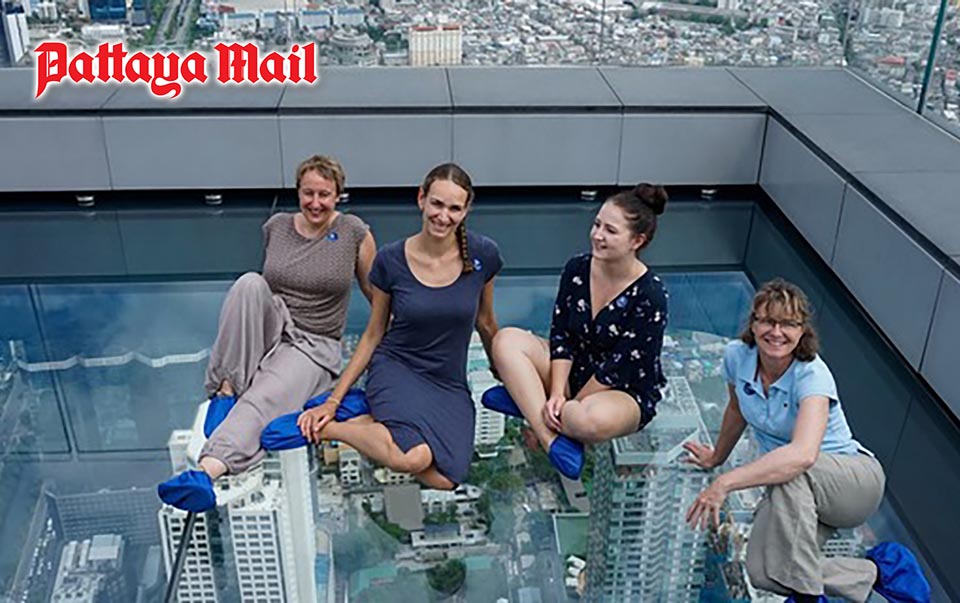
To further boost sales through Swiss travel agencies, the Tourism Authority of Thailand is once again focusing on hands-on experiences. This summer, the popular “Mega Fam Trip” for Swiss travel professionals was relaunched — with fewer participants than before the pandemic but plenty of enthusiasm. Gretz is already planning the next edition: “Once you’ve experienced Thailand, you’ll want to return — and you can share that passion with your clients.”
Such initiatives are made possible through close cooperation with Thai Airways, which continues to play a central role in promoting the Kingdom as a top travel destination.