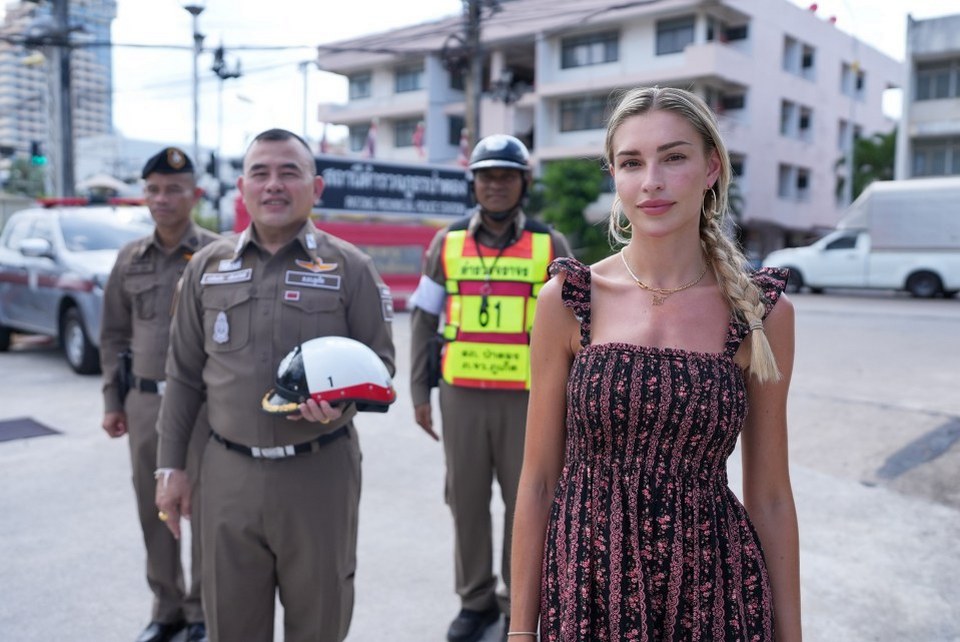
English reality television personality Zara McDermott says she had a petrifying brush with Bangkok police when she was filming her new BBC documentary The Dark Side of Paradise. The crew got into trouble on the first night when they were attempting to capture footage in the city’s red-light district known as Khao San Road. One of them had an ashtray thrown at their head before police unsuccessfully attempted to seize their footage and then moved them on.
But at the show’s press launch back in UK, Zara said her team had jumped through all the hoops and obtained a permit which cost “a fair amount” of money. She explained that the core of the documentary was to ask important questions about the ethics of the sex industry and to meet some of the women working in it in Thailand. The three-part program airs on BBC Three and BBC iPlayer from September 8.
Thai lawyer Prem Srisantisuk said, “I have no doubt the British team believed they had a permit, but the law here is quite complicated. Thailand so far in 2025 has earned over three billion baht (US$100 million) for over 300 foreign film productions.” He explained they were professional films with actors, or multi-part TV series such as White Lotus, or advertisements – all warmly welcomed by the Thai authorities. He explained that the main legal authority was The Thailand Film Office of the Ministry of Tourism and Sports.
However, when negative stories arise, the outcome can be very different. In 2022 two CNN journalists were ordered to pay 5,000 baht each (US$133) and leave Thailand within hours for working in the country with tourist visas which are invalid for employment. They had briefly entered a day care center where more than 20 children were massacred, saying they had filmed inside believing they had permission. The Foreign Correspondents Club of Thailand criticized the CNN report as unethical and insensitive.
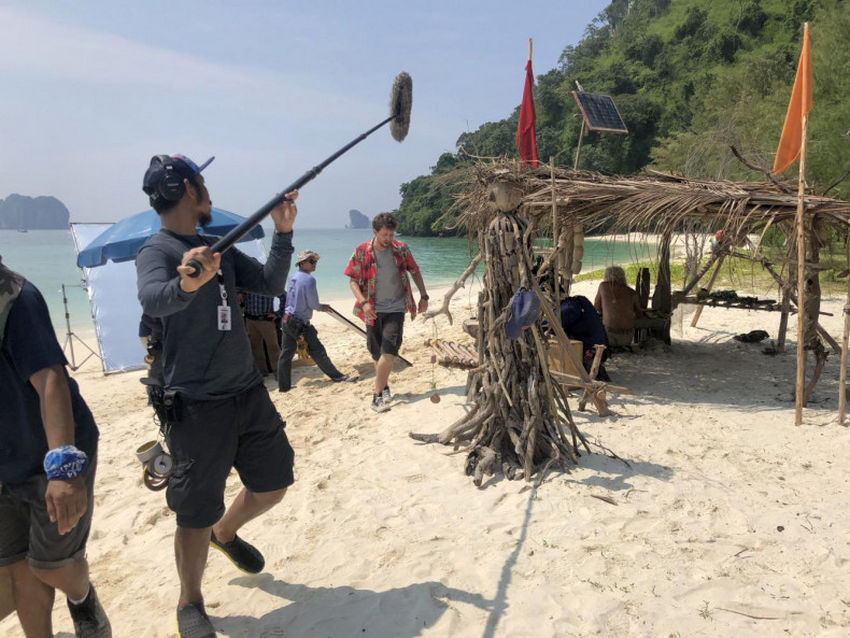
Dr Srisantisuk said that filming in red light districts often posed problems, even with a permit. He explained there was a clause in the Thai criminal code which forbids causing other people embarrassment or distress. Filming people without their consent falls into that category. Moreover, some bars and clubs have notices specifying “no video” or “no camera” and failure to comply can lead to confrontation with security staff, or bouncers, who know the law and have good contacts with local police.
The Ministry of Culture meanwhile has pioneered a bill this year to deregulate and modernize Thailand’s film industry. It specifies that production houses will no longer need a licence to film in the country. Instead, they will be required to notify the Thailand Film Office of their production costs and to submit material to private sector professionals to rate the content. However, the bill became bureaucratically stuck during recent parliamentary and constitutional upheavals in Thailand and has not yet seen the light of day.
A spokesperson for Pattaya police said, “When we get requests to film, for example in Walking Street, we require foreign camera users to get a permit and bring along a Thai intermediary who can speak to police officers or bar staff if problems arise.” The intermediaries are popularly known as fixers, though none appears to have been deployed in the Zara case. That immediately led to language difficulties and misunderstandings.