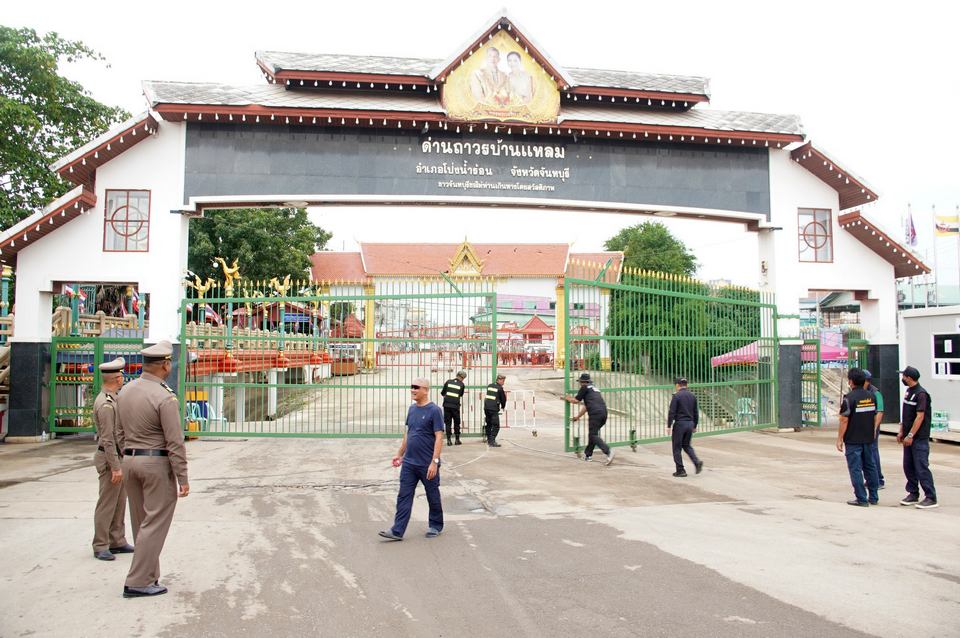
Foreign tourists and expats are being warned by the Department of Defence that all Thai-Cambodian border crossings remain closed to individuals. Confusion arose after reports that immigration checkpoints at Ban Laem and Ban Pakkad in the Pong Nam Ron (Hot Water Spring) district were letting through foreigners. In fact, the publicized cases were a medical emergency and a child trapped on the “wrong” side.
Although Thai premier Anutin Charnvirakul has reopened formal negotiations with the Cambodian prime minister – with limited reopenings for transported goods only being considered – government sources say that normal services are unlikely any time soon.
The current priority is to clear landmines and withdraw heavy weaponry from sensitive areas, especially those with disputed temple sites. Zones with low tension propensity may then be allowed to exchange traded items. The conflict between the two countries has proved alarmingly expensive economically and many families living on both sides of the border have been disrupted.
Foreigners in Thailand can still visit Cambodia by air without any problems. Also the Thai land border posts with Laos and Malaysia remain open as usual. Immigration sources say there is less need these days for border hops since most tourists receive 60 days on arrival, extendable for a further month without leaving the country.
Moreover, most longstay visas do not require holders to leave Thailand for a renewal. Long Term Residence, Privilege (formerly Elite), annual retirement or marriage extensions of stay can all be re-stamped domestically provided the correct paperwork is submitted.
An exception is the Destination Thailand Visa, valid for five years but offering just six months per visit. A further six months, once only, is theoretically possible via the Ministry of Foreign Affairs’ publicity, but has proved to be elusive in practice at local immigration offices.