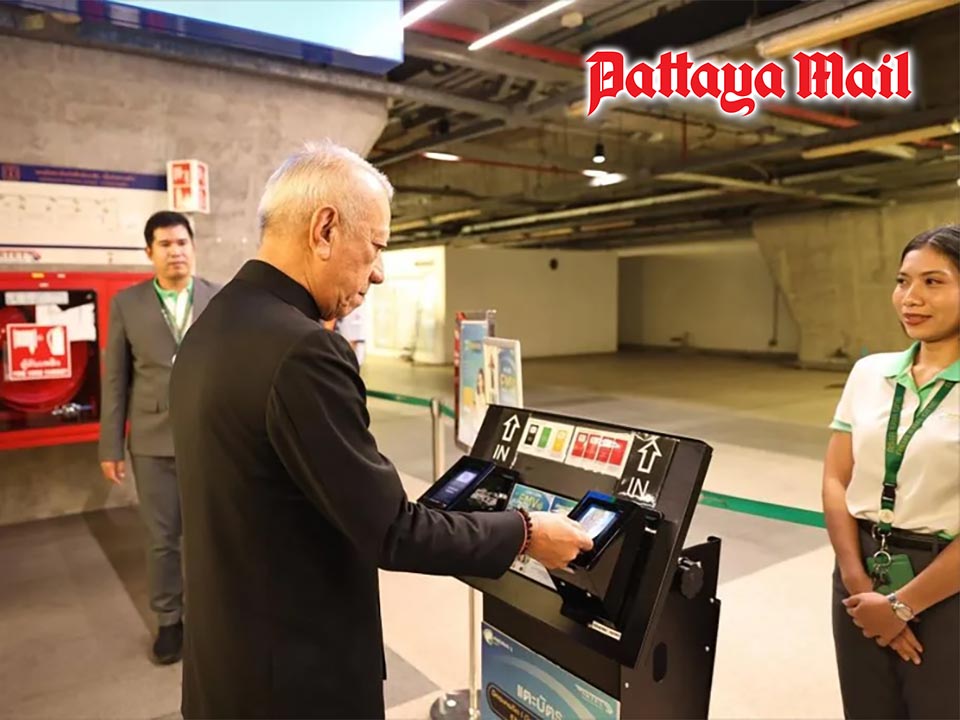
BANGKOK, Thailand – Bangkok commuters could pay no more than 45 baht per journey on connected urban rail services under a joint ticketing system planned for January 1, 2027, with passengers able to change lines without paying a second entry fee.
Deputy Prime Minister and Transport Minister Phiphat Ratchakitprakarn announced the plan on October 10, saying the government aims to make public transport more affordable and convenient across Bangkok and its surrounding areas.
Under the proposed system, the initial fare would be 17 baht, with a maximum of 45 baht per journey, even when passengers transfer between multiple rail lines. The Mass Rapid Transit Authority of Thailand (MRTA) would manage the central system, while Krung Thai Bank would handle back-end operations and fare calculations between operators.
The system is also expected to support EMV payment cards, allowing international visitors to use compatible bank cards to enter rail services. However, the government is still working on how to integrate the Green Line, which currently uses Rabbit cards, into the EMV system by the planned launch date.
Phiphat said transport costs account for a significant share of household spending in Bangkok, with some commuters paying 60, 80 or more than 100 baht a day. The proposed fare ceiling is intended to reduce these expenses and encourage more people to use public transport, easing road congestion and environmental impacts.
2,320 electric buses planned for 2027
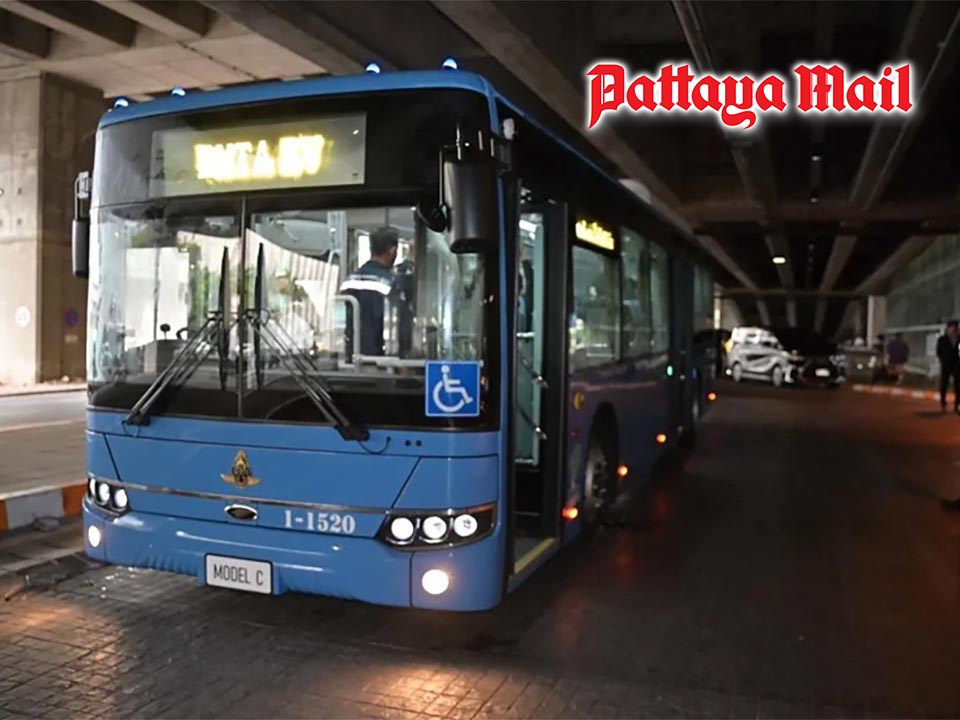
The Transport Ministry also plans to introduce 2,320 electric buses for the Bangkok Mass Transit Authority (BMTA) in 2027. A total of 1,520 buses are scheduled for delivery between March and May, followed by another 800 in late December. The ministry aims to convert the BMTA fleet entirely to electric buses by the end of 2027.
All new buses are expected to have air-conditioning and wheelchair-accessible spaces with boarding ramps. The announced fare concessions include 50% discounts for older passengers and students, while children under seven will travel free.
Bus routes are also due to be redesigned to better connect residential communities and main roads with rail stations. The ministry plans to establish service frequencies for individual routes to improve connections and reduce waiting times.
Integrated travel by road, rail and water
The longer-term plan is to connect buses, rail services and waterways under a more integrated ticketing system. The ministry aims to upgrade 16 of 29 piers under its Smart Pier programme by the fourth quarter of 2027. Piers that are ready earlier could join the joint ticketing system before that deadline.
Saen Saep Canal boats are also expected to be integrated, making it easier for passengers to transfer between boats, buses and trains without relying on different payment systems.
Separately, the State Railway of Thailand plans to address railway level crossings in inner Bangkok, aiming to complete the work within six years, with a maximum target of 10 years.
For freight transport, the ministry intends to make rail the backbone of long-distance cargo movement, with trucks serving as feeder transport over distances of up to 150 kilometres between factories or industrial estates and rail terminals. The plan aims to lower logistics costs and reduce heavy truck traffic on major roads, while improving links between Thailand’s regions and Malaysia and Singapore.
Phiphat said the overall objective is to create a more connected transport network that allows people to travel from home by bus, train or boat more easily, while reducing travel costs, journey times and transport-related pollution.